Hyundai i30: prices and specifications
11 generations Country of origin: South Korea

Hyundai i30 is a family of compact C-class cars designed specifically for the European and Asian markets. The model name is interpreted as follows: the letter 'i' stands for innovative, and the number 30 indicates its belonging to the C-class according to European body classification.
The appearance of the i30 in the Hyundai lineup was planned for the second half of the 2000s, so development started back in 2004. The design of the future model was entrusted to the European division of the company in Rüsselsheim, where they were simultaneously working on a similar model, the Kia cee'd. A prototype was ready by 2006, and road tests began at the same time. The official premiere of the Hyundai i30 took place at the Geneva Motor Show in 2007.
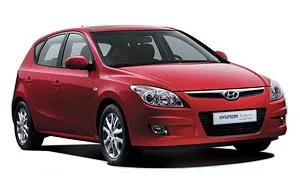
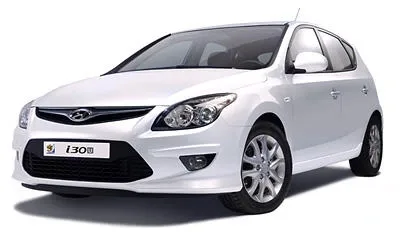
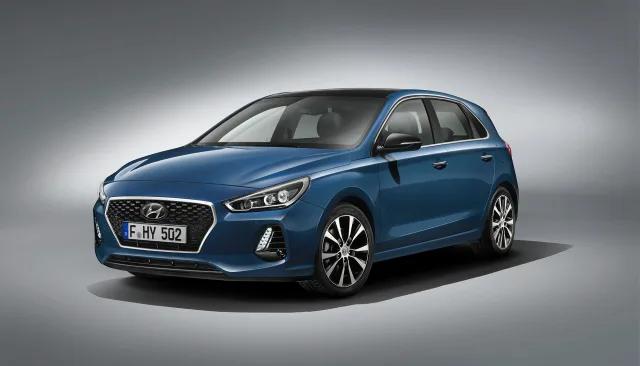
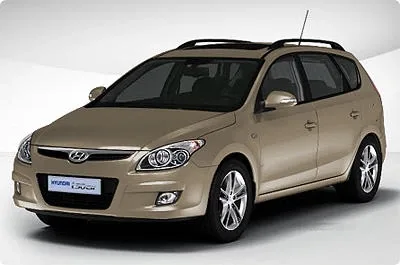
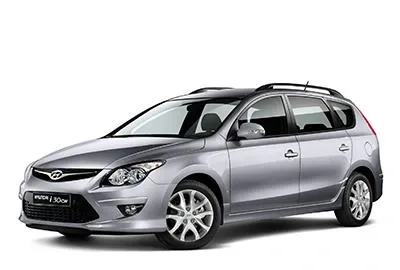
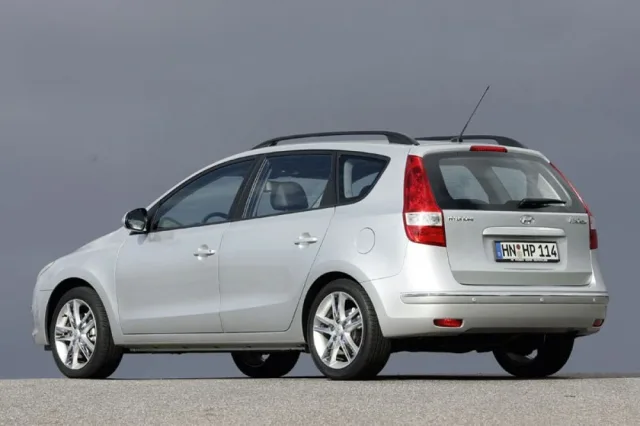
The first generation i30 (FD) was produced in two body styles — a five-door hatchback and a station wagon — on the global Hyundai/Kia J4 platform. Production was established in South Korea, China, and at the company's plant in Nošovice (Czech Republic). In 2010, the model underwent a mild exterior facelift, but the interior and technical part remained unchanged.
In April 2008, the i30cw version in a station wagon body appeared.
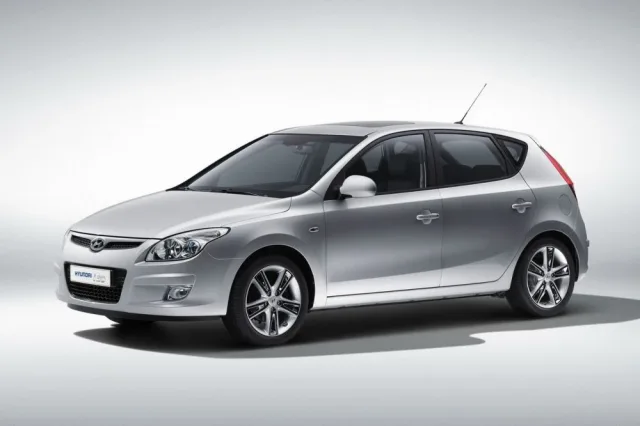
Contrary to the skepticism of many regarding the success of the 'Korean European' against the class leaders — Volkswagen Golf, Peugeot 307, Citroen C4 — the model still found its buyer.
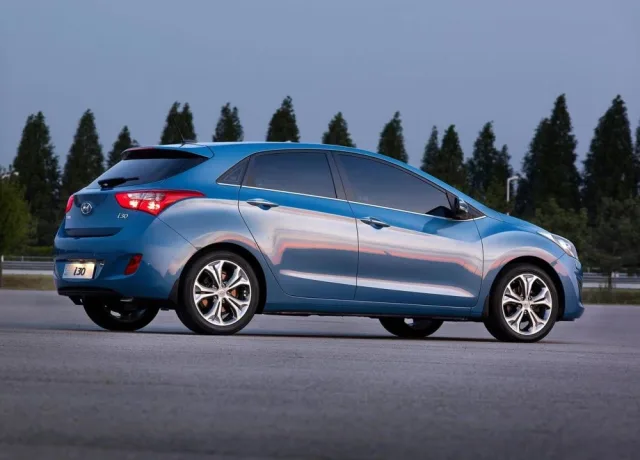
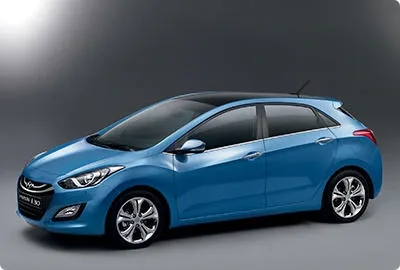
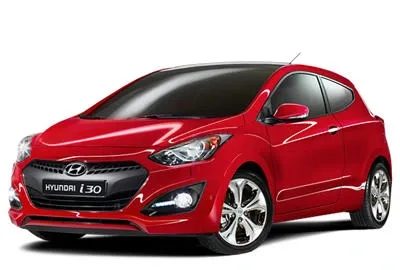
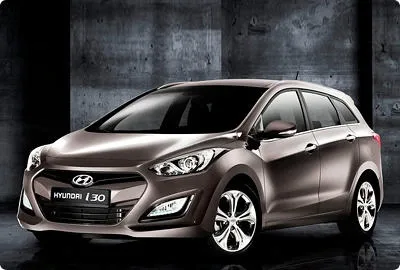
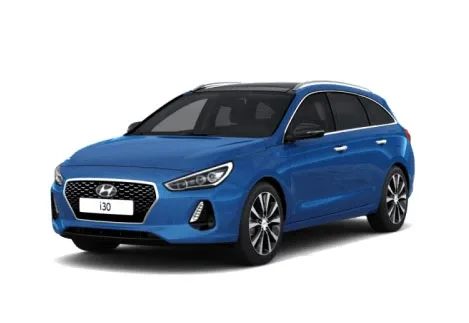
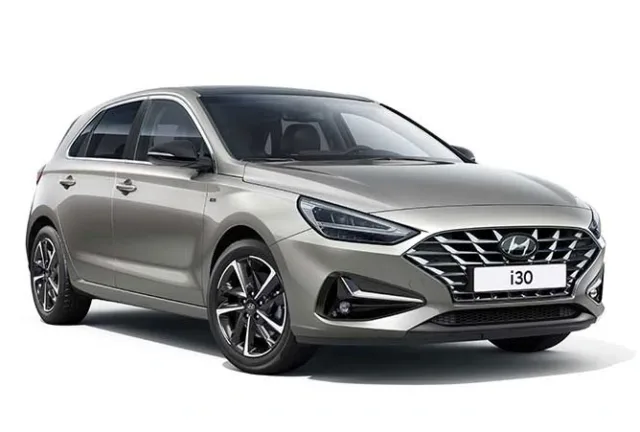
The second generation Hyundai i30 (GD) was introduced in 2011 at the Frankfurt Motor Show. The first to be shown was an updated version of the hatchback, executed in the new corporate style 'fluidic sculpture'. In March 2012, the station wagon debuted, and in September 2012 at the Paris Motor Show, the three-door version.
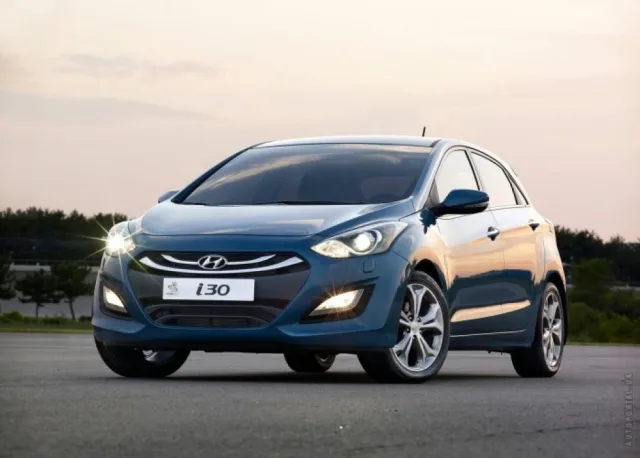
Since 2012, cars produced at the Czech plant in Nošovice began to arrive at dealerships worldwide.
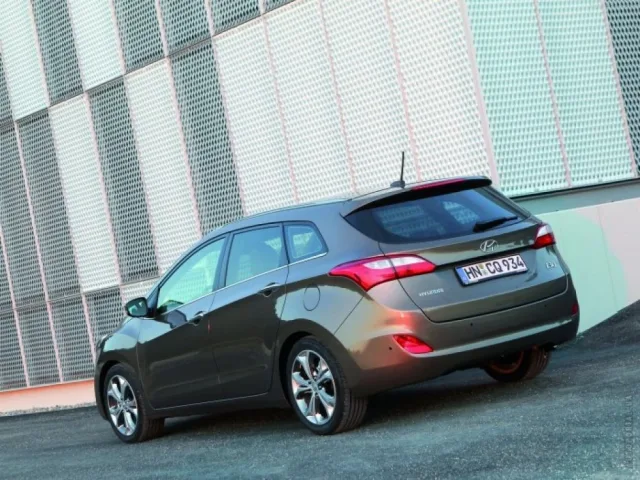
In Ukraine, the second generation i30 (GD) in a hatchback body was presented in May 2012. On the local market, the model is available in five-door hatchback and station wagon bodies.
Exterior
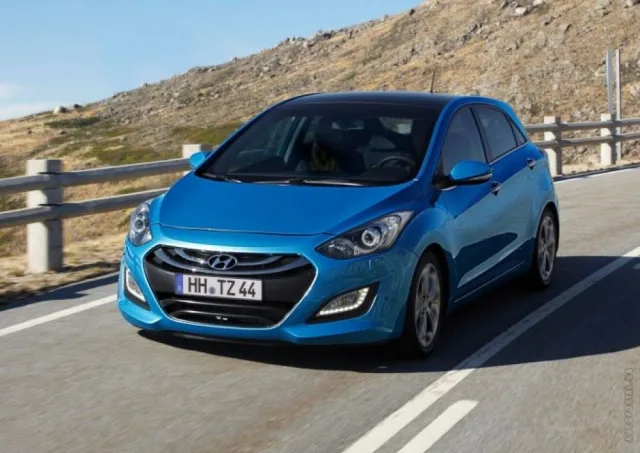
The second-generation Hyundai i30 received a modern and aggressive design. LED daytime running lights, which were rare for cars of inexpensive brands at that time, appeared on the new i30, attracting young people and improving the car's visibility on the road.
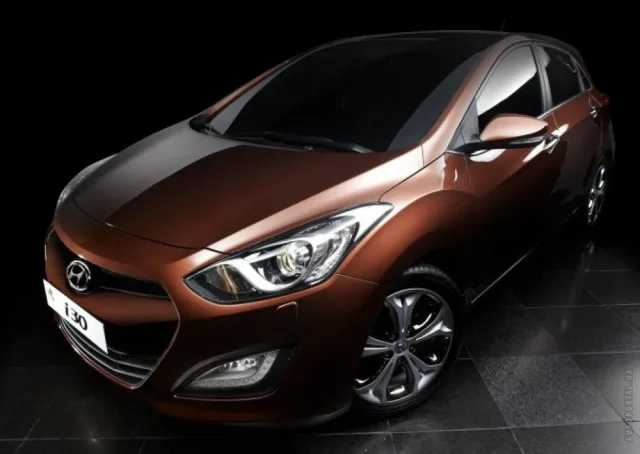
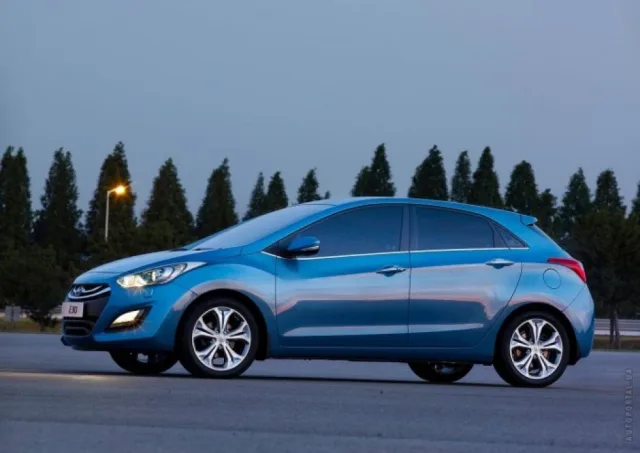
Thanks to the 'fluidic sculpture' design language, the car acquired a massive, almost sporty appearance while remaining a compact family car. Some users criticized the rear design, comparing it to the aftermath of a truck impact, but this is subjective.
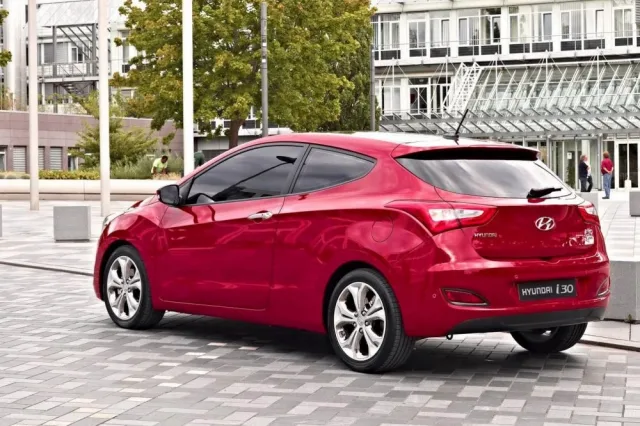
Ukrainian dealerships offer three versions of the i30: three-door and five-door hatchback, as well as a station wagon. Customers are offered 10 body color options.
Interior
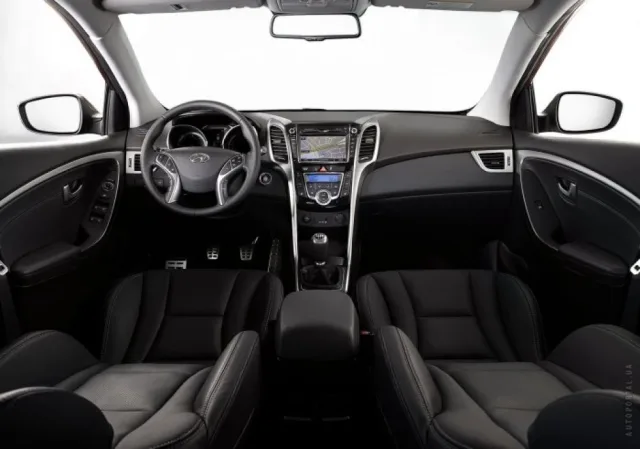
The second-generation Hyundai i30 received a completely new cabin equipment, unlike the previous one. Designers replaced all trim materials. Both two-tone and monotone interiors are available.
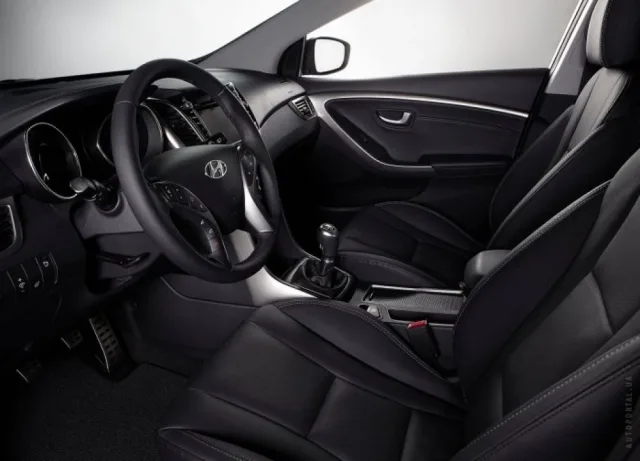
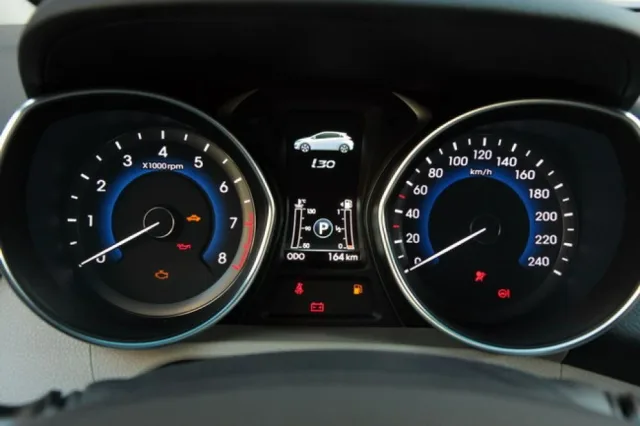
The instrument panel has constant backlighting, and between the dials there is a display for the onboard computer. Starting from the mid-level trim, the engine can be started with a 'Start-Stop' button.
The steering column is adjustable for reach, tilt, and height. The steering wheel is leather-wrapped and equipped with controls for the onboard computer and media center.
In expensive versions, there is a standard multimedia system with a large touchscreen monitor. Front passengers have separate climate control. The rearview mirror has an auto-dimming function and a built-in monitor for the rearview camera.
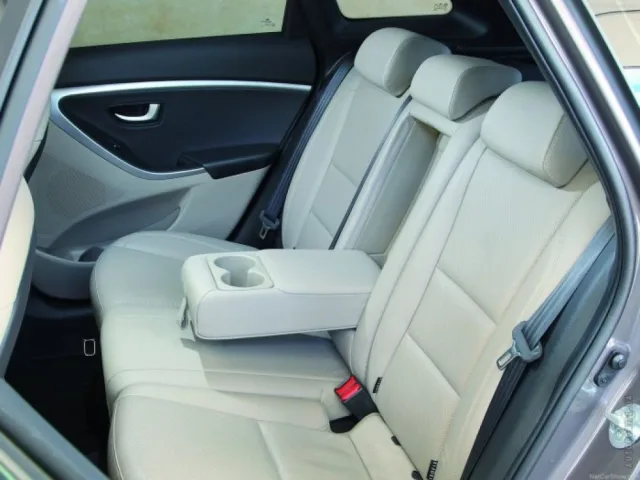
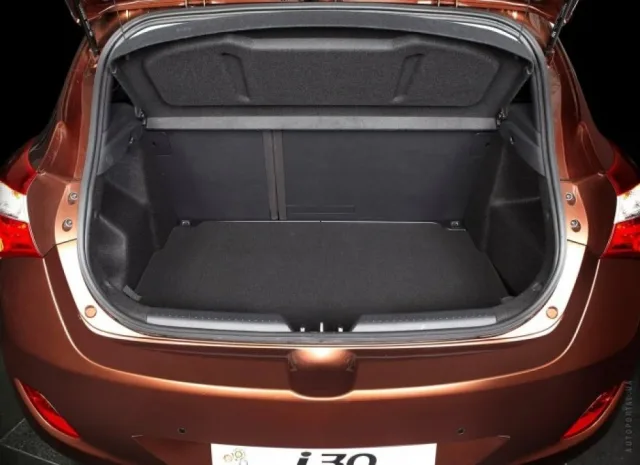
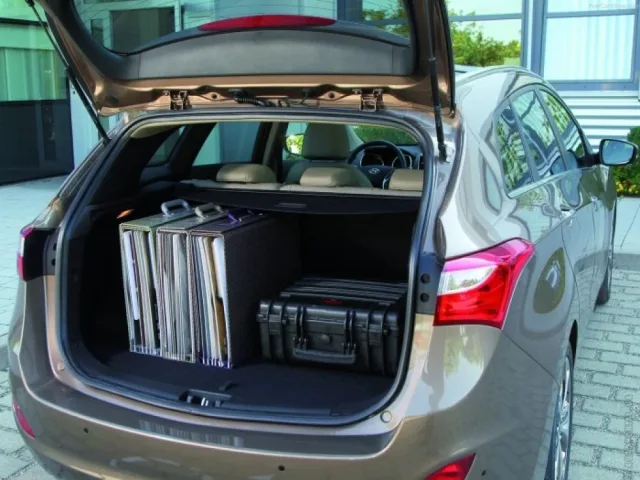
The wheelbase remained the same (2650 mm), but thanks to the increased rear overhang, legroom for rear passengers has expanded. The hatchback's trunk volume is 378 liters, and with the rear seats folded down, over 1000 liters. The station wagon offers 528 liters in normal condition and over 1500 liters with the seats folded.
Engine and Transmission
Almost the entire range of powertrains for the Hyundai i30 is supplied to Ukraine:
| Engine | Transmission |
| 1.4 DOHC (gasoline; 100 hp/137 Nm) | 6-speed manual |
| 1.6 DOHC (gasoline; 120 hp/156 Nm) | 6-speed manual/6-speed automatic |
| 1.4 CRDI (diesel; 90 hp/220 Nm) | 6-speed manual |
| 1.6 CRDI (diesel; 128 hp/260 Nm) | 6-speed manual/6-speed automatic |
Acceleration to 100 km/h for different versions takes from 10.9 to 13.5 seconds. The most dynamic is considered the version with the 1.6 DOHC engine and 6-speed manual transmission. The most leisurely is the 1.4-liter diesel with manual.
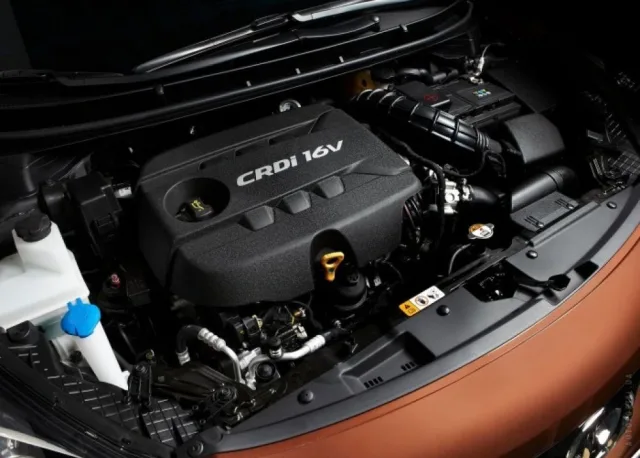
The most economical option is the 1.4-liter diesel: claimed fuel consumption in combined cycle is 4.1 L/100 km. The 1.6-liter diesel with manual also consumes 4.1 L/100 km, while with automatic it is 5.5 L/100 km. Gasoline engines: 1.4 L requires 6 L/100 km, 1.6 L — 6.8 L/100 km.
Safety
According to EuroNCAP crash test results, the Hyundai i30 received the maximum 5 stars.
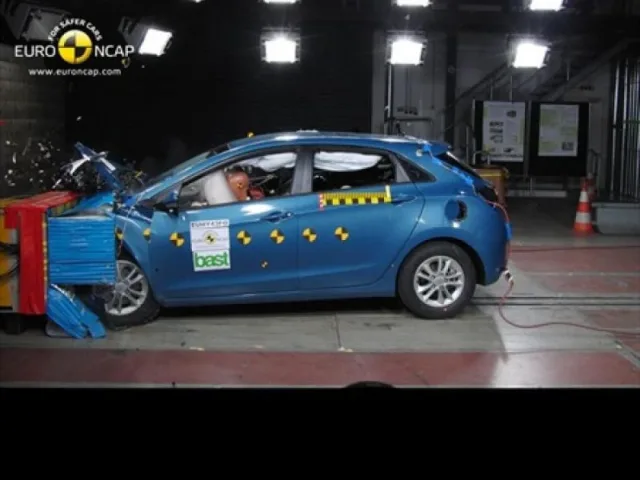
The base Comfort trim includes two airbags and ABS. Starting from the Express trim, VSM stability control, ESC electronic stability control, and hill-start assist are added.
In top versions, side airbags and driver knee protection in a frontal impact appear.
Features
The Hyundai i30 is a Korean car developed by European engineers. The creators were tasked with competing with proven European models. The i30 is cheaper than its Old World counterparts but does not compromise on build quality or equipment level.
The engine lineup meets the needs of a pragmatic buyer: both small-displacement gasoline engines and diesels are available. If more power is needed, a 143-horsepower two-liter engine is offered. Central Europe was the first to appreciate this model, and in Eastern European countries, the i30 became a bestseller. The simple and memorable model name also played its role, especially against the backdrop of the iPhone's popularity.
Popularity in Ukraine
Both generations of the Hyundai i30 enjoy steady demand. The model was not a sales leader, yielding to the more modest Accent. However, unlike the Accent, the i30 is equally well-suited for long trips and comfortable city driving.
The price of the model in Ukraine makes it not affordable for everyone.
Our Verdict
The Hyundai i30 successfully combines bright Asian style with European practicality. It suits both young families and people in search. For each type of buyer, the model has its own pleasant surprise.