Advertising
Hyundai Elantra: prices and specifications
7 generations Country of origin: South Korea

Hyundai Elantra
Hyundai Elantra is a C-class car from the South Korean company Hyundai Motors. The model was first introduced in 1990, replacing the outdated Stellar model. The name "Elantra" has no clear interpretation, as it was artificially created. According to one version, it is derived from the French words Élan ("swift") and Transport ("transport"). Initially, the car was sold on export markets under the name Lantra, and on the domestic market as Avante (from Portuguese — "forward"). However, because a similar name was already patented by Mitsubishi, Hyundai management had to change it.
The first generation Hyundai Elantra was produced only as a sedan. It was based on the company's own J1 platform, but the technical part was borrowed from more well-known brands. In particular, the engines for the debut version were manufactured under license from Mitsubishi.
The second generation (RD) was released in 1996 and was offered in two body styles: sedan and station wagon. The third generation (XD), officially introduced in 2000, was also produced in two modifications: sedan and hatchback. Its production was established in six countries, including Ukraine — at the Cherkasy automobile assembly plant. The fourth generation (HD), which appeared in 2006, again became available only as a sedan. The fifth and currently last generation (MD) debuted in 2010 at the Busan Motor Show and is produced in three body styles: sedan, station wagon, and coupe.
Deliveries of the fifth generation Hyundai Elantra to Ukraine began in 2011. On the Ukrainian market, the model is presented exclusively as a sedan. The car is equipped only with petrol engines with a displacement of 1.6 and 1.8 liters. They are paired with six-speed manual and automatic transmissions. Drive — front.
History
Hyundai Elantra debuted in 1990. Since then, the following generations have been released:
- Hyundai Elantra 1 (1990–1995)
- Hyundai Elantra 2 (1995–2000)
- Hyundai Elantra 3 (2000–2006)
- Hyundai Elantra 4 (2006–2011)
- Hyundai Elantra 5 (2010 — present)
Hyundai Elantra (1990–1995) had the internal factory code J1.
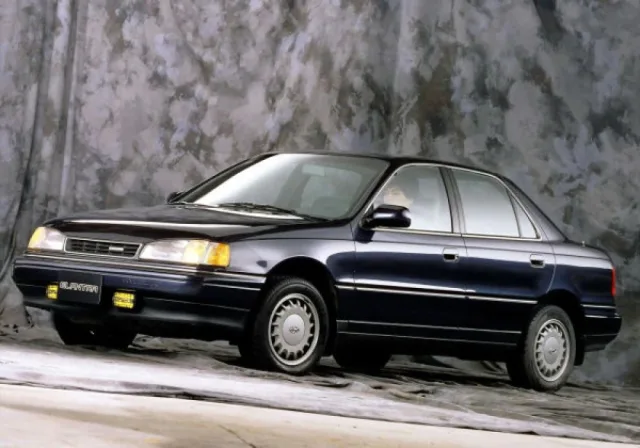
The Hyundai Elantra sedan (known on some markets as Lantra) was created as an alternative to affordable Japanese cars. After sales began, it completely replaced the Hyundai Stellar from the assembly line. The Korean company's engineers designed the model themselves, but the engines used were not their own — 1.5-liter 8-valve Mitsubishi 4G15 with a single camshaft. Later, licensed production of the 16-valve version of the Mitsubishi SIRIUS family was established: Hyundai G4CR (copy of 1.6-liter Mitsubishi 4G61) and Hyundai G4CN (copy of 1.8-liter Mitsubishi 4G67), and then production of the 4G15 analogue (Hyundai G4DJ) began.
Externally, the first generation Elantra resembled the third generation Mitsubishi Mirage from 1987. In 1993, the car was slightly modernized: designers made small changes to the shape of the fenders, hood, trunk, interior, and optics.
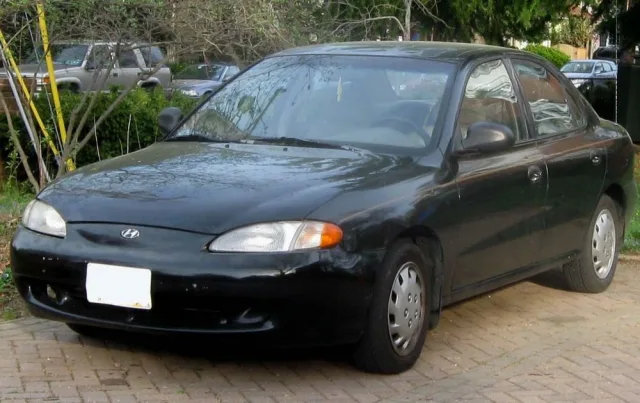
Hyundai Elantra (1995–1998) had the internal factory index J2.
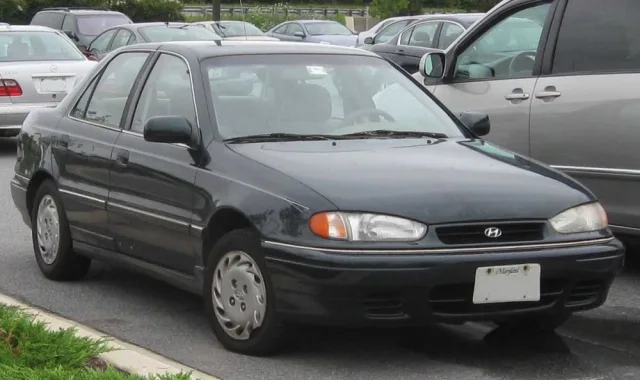
In 1994, the second generation Elantra appeared, which became more elegant thanks to smooth lines. The body was assembled with quality and reliability, well protected from corrosion due to double-sided galvanization and paint coating technology. However, during long-term operation, there were complaints about the rear wheel arches. The interior became slightly more spacious and comfortable, with no sharp corners, and the design echoed the exterior. Good ergonomics of the driver's seat were also noted. To improve passive safety, airbags began to be installed in the car, and protective beams were added to the doors. A year and a half later, a station wagon model appeared, which sold successfully as Lantra Station. The sedan had a large trunk volume of 390 liters, while the Station had 360 liters with the seats up and 1260 liters with the rear seats folded down. Power units were now only of own development. The buyer could choose between a five-speed manual and a four-speed automatic transmission. The second generation Hyundai Lantra existed in six modifications with engines of own development with a displacement of 1.6, 1.8, 1.9D, and 2.0 liters. The 1.5-liter engine, produced from 1996, was installed only on cars for the domestic Korean market. In 1998, a facelift was carried out: the Elantra changed the shape of the optics, bumpers, and hood, a chrome molding appeared, a small spoiler, and the mirror housings became larger and more streamlined.
Hyundai Elantra (2000–2006) had the internal factory code XD.
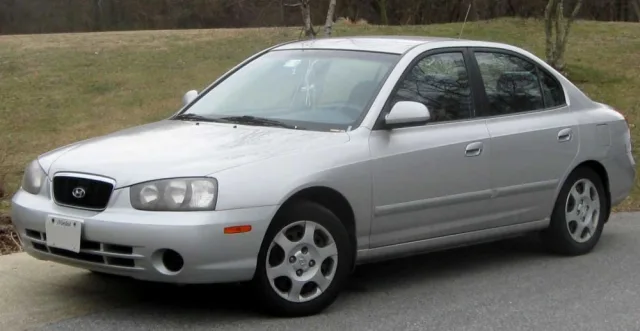
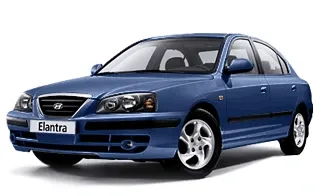
Production of the third generation Elantra began in 2000. The base trim was called GLS, the top trim was GT, which featured leather seats, fog lights, alloy wheels, and a spoiler. For an additional cost, one could order a power sunroof and traction control system. Despite its external compactness, the Elantra belonged to the middle class. Available engines: petrol with a displacement of 1.6, 1.8, 2.0 liters and a turbo diesel with a displacement of 2.0 liters.
Fourth generation (HD) was produced from 2006 to 2011 and had the internal factory code J4.
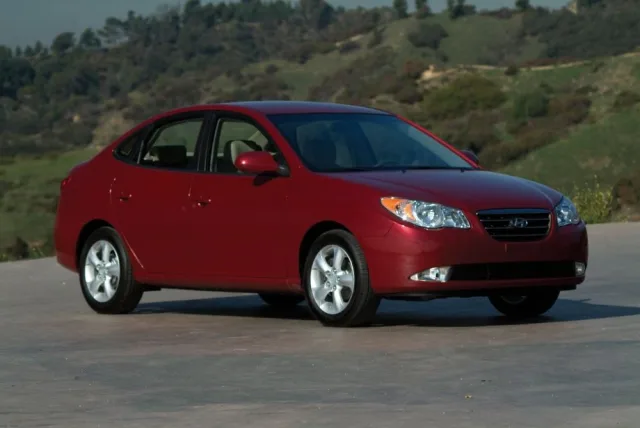
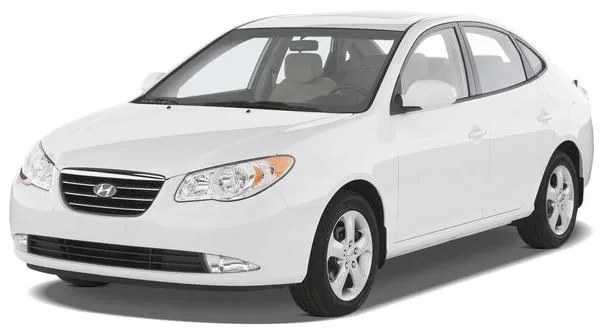
The fourth generation was first shown to the public in April 2006, and it appeared in Ukrainian dealerships in the fall of that year. The car was distinguished by the triumph of biodesign and massiveness. The interior was made in the same style and became slightly more spacious. The engine lineup was completely updated: old engines were replaced with new petrol 1.6 Gamma, 2.0 Beta, and a modern 1.6-liter diesel. New equipment appeared, such as side curtain airbags. However, the automatic transmission remained of the old design, which can be considered a weak point. In early May 2010, at the international motor show in Busan, the latest generation of Hyundai Elantra was presented. For the Korean market, the model was called Avante.
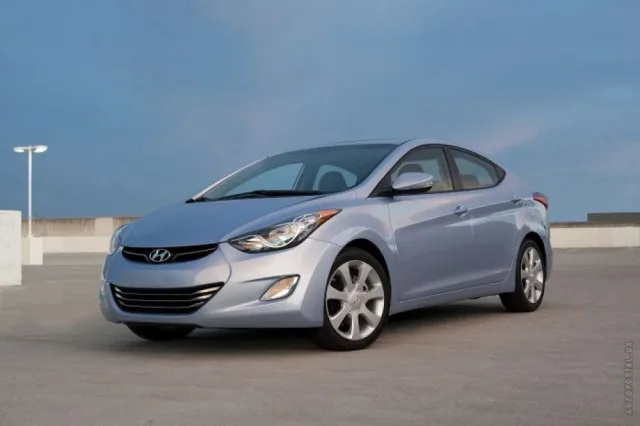
As representatives of the Korean company stated, the new model reflects all modern concepts of the concern and is aimed at markets around the world.
Exterior
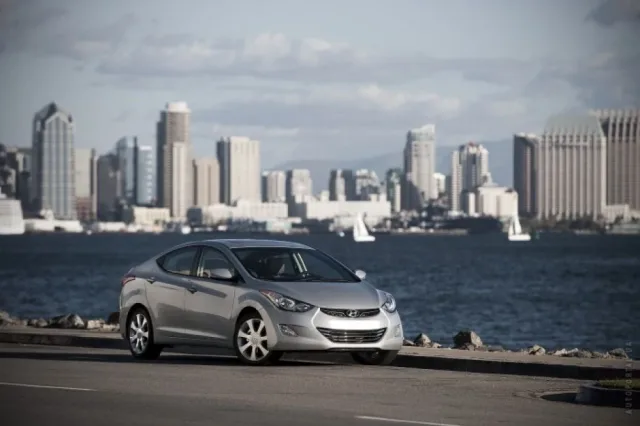
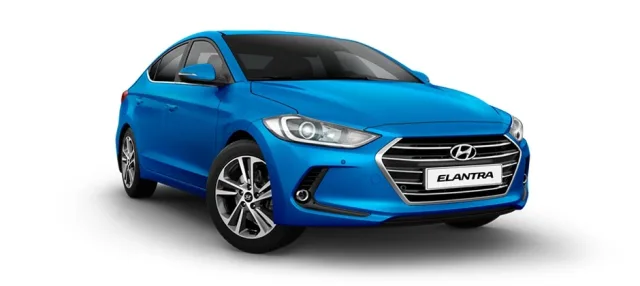
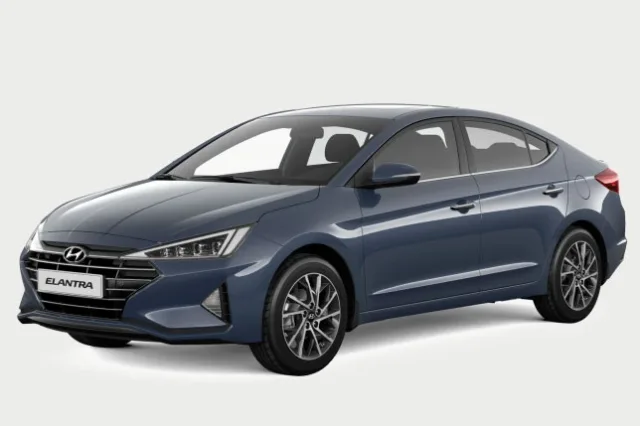
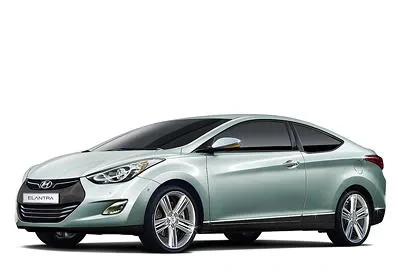
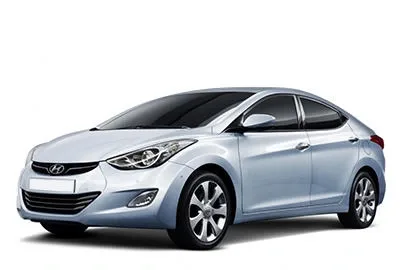
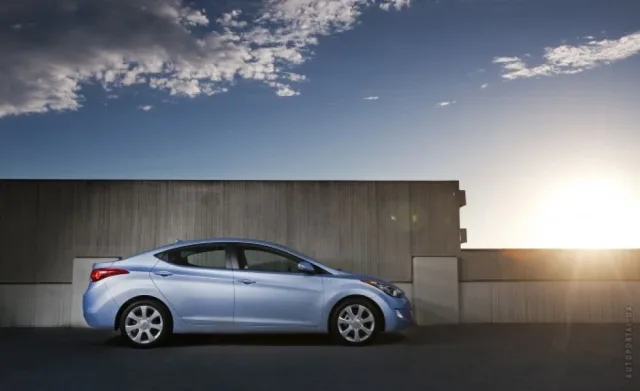
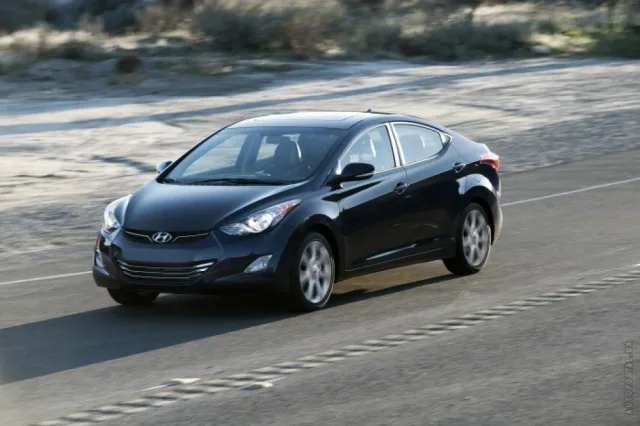
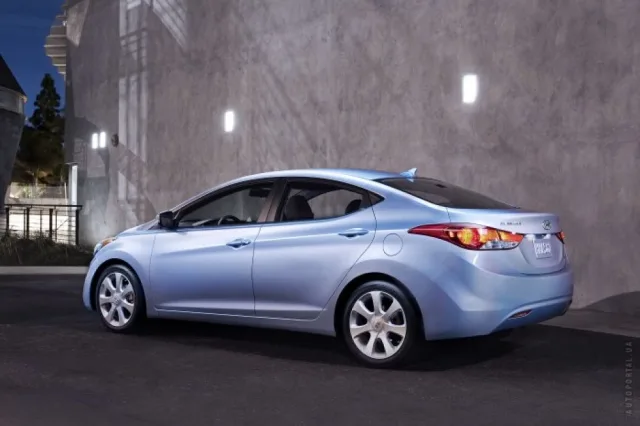
Hyundai Elantra looks much more modern and stylish than its predecessor. It resembles a smaller copy of the Hyundai Sonata: the same smooth wave-like silhouette combined with expressive edges. The car appeals to almost everyone, and this prompts many to buy it.
Interior
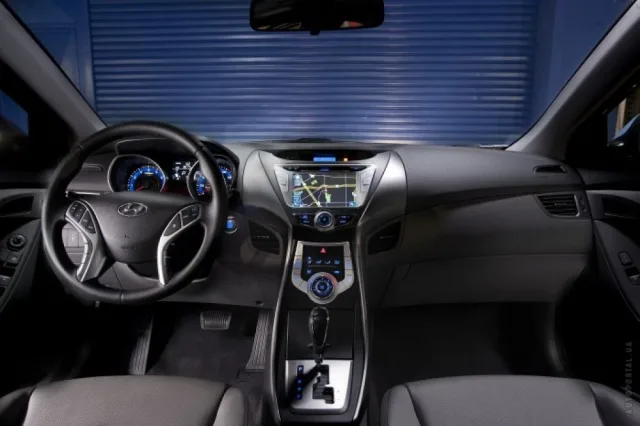
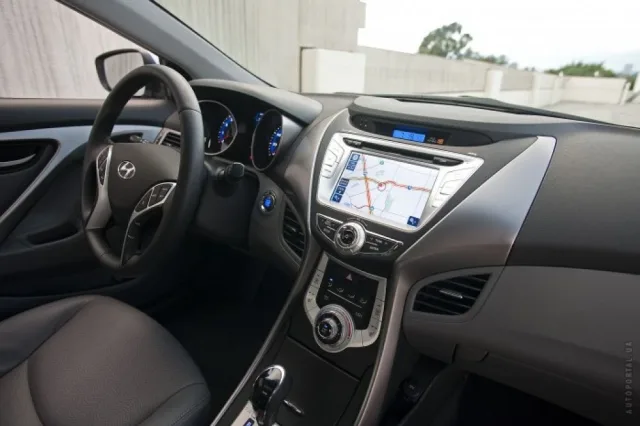
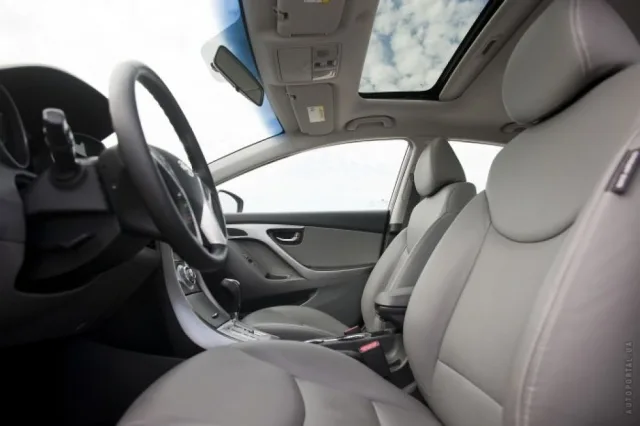
The interior design harmoniously combines with the exterior. The Y-shaped console is made with smooth lines, with glossy elements installed. Touching the surfaces gives a feeling of an expensive and durable product. The ergonomics are impeccable: all controls are standard and do not require getting used to. The seats in terms of volume and firmness resemble European counterparts — a person of any build will find a comfortable position.
Engine and transmission
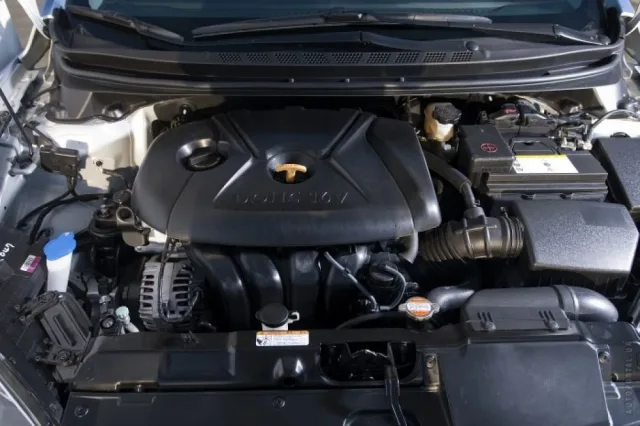
The latest generation Elantra for the Ukrainian market is equipped with two petrol engines: 1.6 liters (130 hp) and 1.8 liters (150 hp). Both engines can be paired with either a five-speed manual or a six-speed automatic transmission. The automatic settings are correct: gears shift quickly and almost imperceptibly. During sharp acceleration, a slight delay is barely noticeable; it can be ignored when overtaking on the highway. With a manual transmission, there are no such problems. Sound insulation is generally good, except for the rear wheel arch area.
Safety
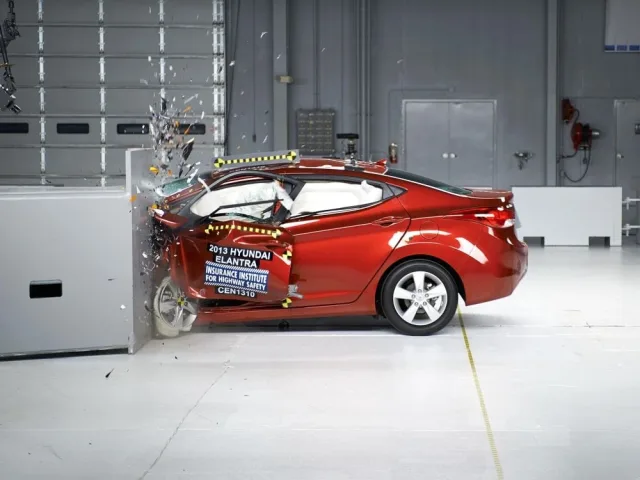
Although the Hyundai Elantra has not been tested under the Euro NCAP system, the car passed a crash test according to NHTSA, showing a good level of passive safety — 4.5 points on a five-point scale. The design uses an energy-absorbing body made of high-strength steel, six airbags (in higher trims), an ESP stabilization system with ABS, and a seat belt reminder function.
Features
The car's handling meets modern requirements. Hyundai Elantra demonstrates classic front-wheel drive characteristics. The steering feedback is excellent, allowing the driver to clearly understand the behavior and grip properties of the steered wheels. During sharp maneuvers, the car follows the steering movements and is easily corrected. Only on rutted roads can the car be slightly pulled. Otherwise, no special moments are observed during operation. Most owners note insufficient sound insulation in the rear wheel arch area.
Popularity in Ukraine
Hyundai Elantra sells well on the Ukrainian market. According to the autoportal.ua sales rating, it is in the TOP-20. The popularity of the latest generation is associated with its expressive design and successful combination of price and quality.
Our verdict
If you need a modern and bright sedan, the Elantra is a good option. The advantages when choosing include a wide network of dealerships and specialized service stations, availability of spare parts, and moderate maintenance costs. Low fuel consumption is also a positive point. The warranty on Hyundai Elantra is seven years: five years of warranty and two years of free elimination of factory defects, or 100 thousand kilometers of mileage — whichever comes first.