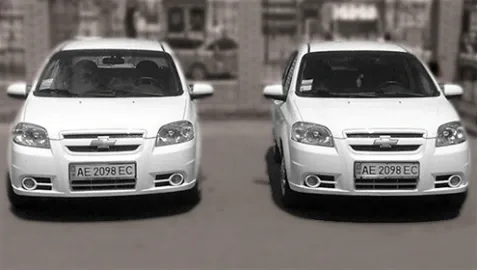

Clone cars are a phenomenon known in our market since foreign cars began to be imported into the country.
A clone is a vehicle that is outside the law: stolen, not cleared through customs, and its technical passport is either forged or issued for another car.
Scammers operate using several schemes:
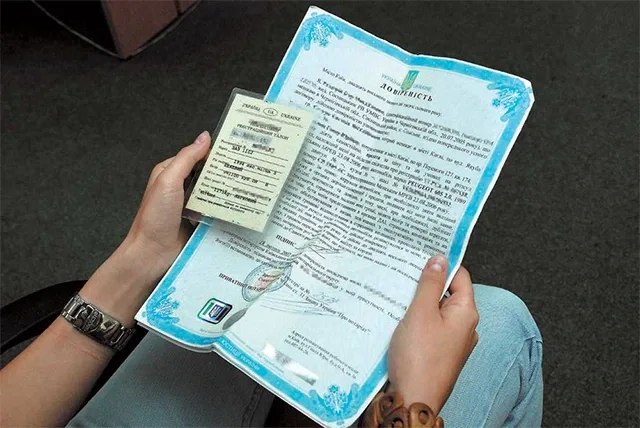
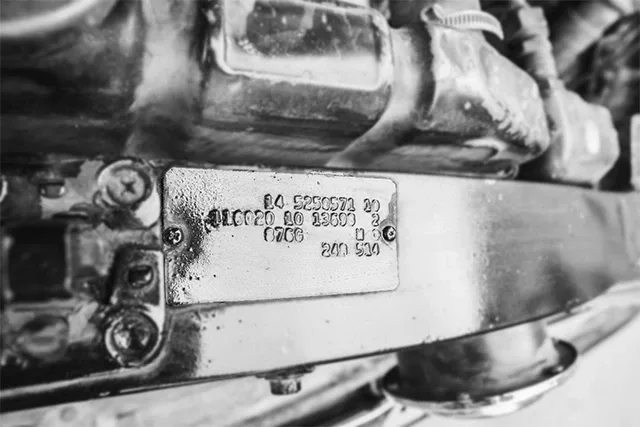
- they get hold of a genuine technical passport (bought or stolen), a car is matched to it, and a VIN code matching this document is stamped on its body;
- a car is purchased after an accident or fire along with documents, after which a body fragment with an identification number from the crashed car is welded onto a working but illegal car;
- a technical passport with the data of the owner of a similar car is issued for an illegal car, and the unit numbers are accordingly re-stamped. Usually, a clone is matched to a car registered in another region.
AutoPortal: What attracts the buyer?
Stas: The buyer is hooked by the low price. Moreover, it does not necessarily have to be greatly reduced - many people themselves, out of ignorance, end up with scammers, not wanting to bother with re-registering documents and spending money on it.
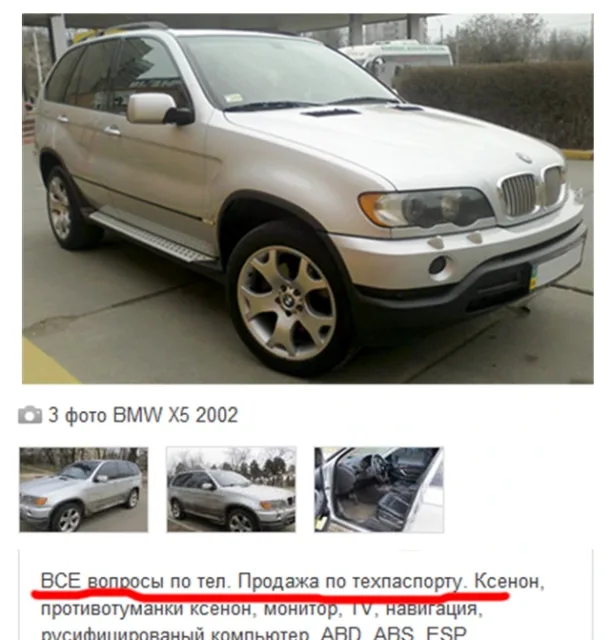
AutoPortal: Can it be considered that selling through a power of attorney is a distinctive feature of such cars?
Stas: A year ago, almost all clones were sold exclusively by power of attorney. The reason was that when deregistering, a forensic examination was mandatory. And a clone always has a "twin" or a welded number from another, destroyed car. The examination reveals this, and then in the best case you are left with a car that seems to hang in the air - you can do nothing with it.
If a welded number or traces of re-stamping of the existing VIN code are found, the actual owner, that is, you, has the documents confiscated, a mark is placed on them about interference with the number unit, and any transactions with this car are prohibited. While the examinations drag on, the car sits in the impound lot.
AutoPortal: Since 2012, the mandatory forensic examination during registration and deregistration has been canceled. So now a clone can be bought officially, legally, with a reference-invoice?
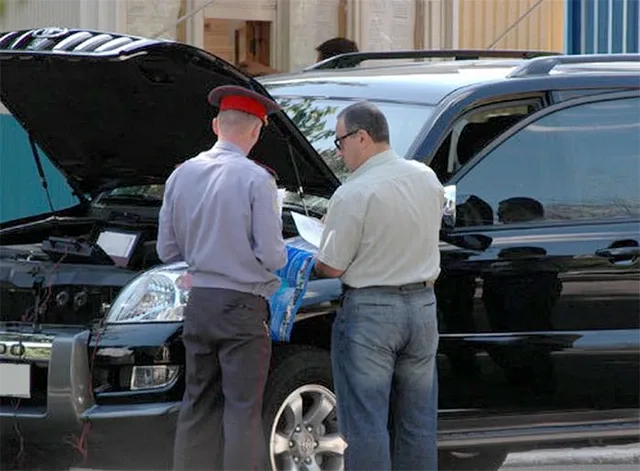
Stas: After the cancellation of the mandatory examination - yes, it can be said that the share of clones sold with deregistration has increased. But at the same time, there remains a chance that the fraud will be revealed right during deregistration or registration. Therefore, the seller will dodge to avoid deregistering the car, inventing stories like "the owner is abroad, but money is urgently needed," and will especially refuse the examination.
AutoPortal: How not to fall for scammers?
Stas: To avoid becoming a victim, you need to undergo a forensic examination (about 100 UAH) and obtain a certificate of its conduct. Even if it turns out that the car is criminal, in court this certificate will become an argument: there will be someone to recover damages from, because the expert is an official person, and your reputation as a bona fide buyer will be preserved.
And also, honestly: buying by power of attorney to save money is not worth the risk and the problems it brings. Even if the car turns out to be clean and not criminal, all the legal difficulties of the owner related to the car - for example, seizure of property - will also fall on you, because formally the car does not belong to you. Especially since from December 3, 2012, the fee to the pension fund when registering a used car was canceled - the procedure has become noticeably cheaper and simpler.