Что такое рычаг подвески автомобиля
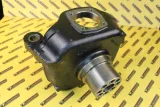
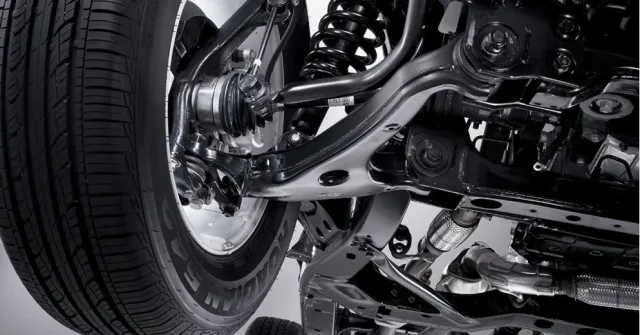
Рычаг подвески - это металлический элемент, соединяющий кузов автомобиля с поворотным кулаком или ступицей колеса. Его основная задача - направлять движение колеса в строго определённой траектории, не допуская смещений в стороны. Проще говоря, рычаг подвески автомобиля удерживает колесо в нужном положении, позволяя ему двигаться вверх и вниз при наезде на неровности, но не вперёд и не вбок. Конструкция рычага обычно включает:- металлический корпус (стальной или алюминиевый);
- сайлентблоки - резинометаллические втулки, гасящие вибрации;
- шаровую опору, которая соединяет рычаг с поворотным кулаком.
За что отвечает рычаг подвески
Главная функция рычага - обеспечение правильной геометрии движения колёс. Но на деле он выполняет сразу несколько важных задач:- Поддерживает устойчивость автомобиля.
Благодаря рычагам кузов остаётся стабильным даже при манёврах и неровностях дороги. - Передаёт усилия между колесом и кузовом.
Все удары от ям и кочек проходят через рычаг, который частично их смягчает. - Обеспечивает комфорт при езде.
Рычаг вместе с амортизатором и пружиной гасит вибрации, делая движение мягким. - Сохраняет управляемость.
Если рычаг повреждён, автомобиль может тянуть в сторону или терять устойчивость на поворотах.
Виды рычагов подвески
Рычаги бывают разных типов, в зависимости от конструкции подвески автомобиля:- Продольные рычаги.
Расположены вдоль кузова и отвечают за движение колеса вперёд-назад. - Поперечные рычаги.
Держат колесо от смещения в стороны, обеспечивая устойчивость. - Нижние и верхние рычаги.
В двойных рычажных подвесках используется по два рычага на каждое колесо - верхний и нижний. - Трапеции и продольные тяги.
Применяются в многорычажных системах, где каждая деталь выполняет отдельную функцию по стабилизации колеса.
Из чего делают рычаги подвески
Современные рычаги подвески автомобиля изготавливают из:- стали - прочные, но тяжёлые;
- алюминия - лёгкие и устойчивые к коррозии;
- композитных материалов - применяются в спортивных и премиальных авто.
Признаки неисправности рычага подвески
Определить, что с рычагом проблемы, можно по ряду признаков:- стуки или скрипы в передней части автомобиля;
- неравномерный износ шин;
- увод машины в сторону;
- вибрации на руле при езде;
- ухудшение управляемости.
Можно ли ездить с неисправным рычагом подвески
Нет. Повреждённый рычаг - это серьёзная угроза безопасности. Машина теряет устойчивость, может отклоняться при торможении и плохо реагировать на повороты руля. Даже небольшой люфт со временем приводит к поломке шаровой опоры или разрушению сайлентблоков.Когда менять рычаг подвески
Рычаг подлежит замене, если:- он деформировался после удара или ДТП;
- изношены сайлентблоки и шаровая опора;
- появилась коррозия или трещины на металле.
Теперь вы знаете, что такое рычаг подвески и за что он отвечает. Эта деталь - один из главных элементов подвески автомобиля, обеспечивающий комфорт, устойчивость и безопасность движения. Своевременная диагностика и замена изношенных рычагов помогают сохранить правильную геометрию подвески и продлить срок службы автомобиля.