Почему важно смазывать трос ручного тормоза
Трос ручника постоянно находится под воздействием влаги, грязи и реагентов, особенно зимой. Со временем смазка внутри оболочки высыхает, и движение троса становится затруднённым. Это может привести к тому, что ручной тормоз не будет полностью отпускать колодки, и машина начнёт «тормозить сама по себе». Регулярная смазка позволяет:- предотвратить закисание и заклинивание троса;
- продлить срок службы всего механизма;
- обеспечить плавную работу ручного тормоза в автомобиле.
Как определить, что трос нуждается в смазке
Признаки следующие:- рычаг ручного тормоза поднимается с усилием;
- тормоз «не держит» или, наоборот, не отпускает;
- после мойки или дождя рычаг «зависает»;
- слышны щелчки, скрипы, или движение идёт рывками.
Что понадобится для смазки
Для процедуры потребуется:- аэрозольная смазка типа WD-40, силиконовая или литиевая;
- тонкая трубка (идёт в комплекте с баллоном);
- перчатки, ветошь;
- домкрат (при необходимости поднять колесо для доступа).
Как смазать трос ручного тормоза не снимая: пошаговая инструкция
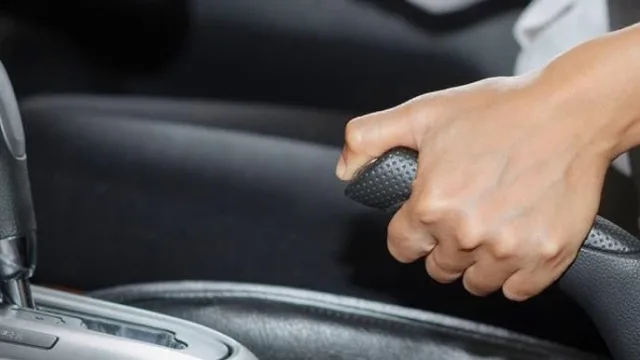
- Поставьте автомобиль на ручник и зафиксируйте колёса.
Лучше работать на ровной поверхности и с включённой передачей. - Найдите место входа троса в оболочку.
Обычно это участок рядом с рычагом в салоне или возле задних колёс. - Ослабьте натяжение ручника.
Это можно сделать, немного опустив рычаг или, при необходимости, открутив регулировочный болт. - Вставьте трубку баллона в резиновый уплотнитель троса.
Направьте струю смазки внутрь оболочки - аккуратно, короткими нажатиями.
WD-40 поможет вытеснить влагу, а силикон или литол создадут защитную плёнку. - Поработайте рычагом ручного тормоза.
Несколько раз поднимите и опустите рычаг, чтобы смазка распределилась по всей длине троса. - При необходимости обработайте с обеих сторон.
Если конструкция позволяет, нанесите смазку и со стороны задних колёс.
Альтернатива: смазка через «капельницу»
Некоторые автолюбители делают простое устройство - обычный полиэтиленовый пакет с небольшим отверстием, надетый на трос. В пакет наливается немного смазки (например, жидкий силикон), и она постепенно просачивается внутрь под действием гравитации. Такой способ удобен, если вы хотите смазать трос ручного тормоза в машине не снимая его вообще.Советы по выбору смазки
- Для профилактики - силиконовая смазка: не вымывается водой, не замерзает.
- Для очистки и устранения закисания - WD-40.
- Для защиты от коррозии - литиевая или графитовая смазка.
Когда лучше заменить трос
Если даже после смазки ручной тормоз по-прежнему заедает, трос, возможно, порвался или закис внутри оболочки. В этом случае смазка уже не поможет - нужно заменить его целиком.Теперь вы знаете, как смазать трос ручного тормоза не снимая. Процедура занимает не больше 20-30 минут, но значительно улучшает работу ручника и защищает трос от коррозии. Регулярная профилактика - залог безопасного и комфортного движения в автомобиле, особенно зимой.