Что такое трос КПП и для чего он нужен
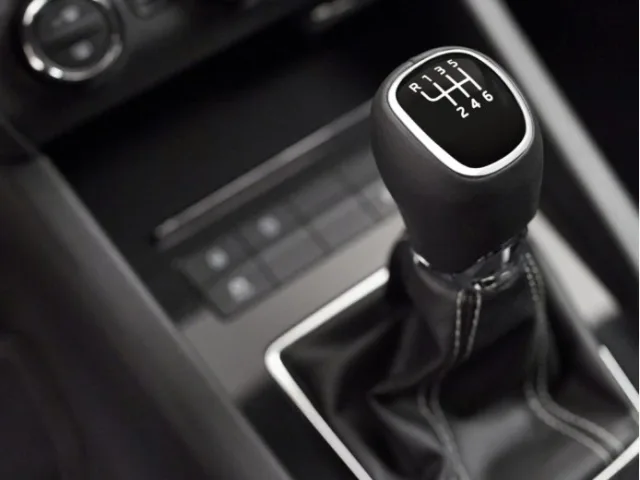
Трос КПП - это гибкий привод, который передает усилие от рычага переключения передач к коробке. Он обеспечивает плавное включение передач и их четкую фиксацию. На Рено Кенго используются два троса: один отвечает за продольные движения (вперед-назад), другой - за поперечные (влево-вправо). При поломке троса КПП вы можете столкнуться с проблемами:- рычаг не возвращается в нейтральное положение;
- передачи включаются с усилием;
- слышны посторонние звуки при переключении;
- рычаг просто «болтается» и не реагирует.
Подготовка к снятию троса КПП
Перед тем как приступить к работе, подготовьте инструменты:- набор рожковых и торцевых ключей;
- плоскую отвертку;
- пассатижи;
- проникающую смазку (например, WD-40);
- домкрат и опоры для фиксации авто.
Как снять трос КПП Рено Кенго
- Поднимите автомобиль.
Установите Рено Кенго на ровную поверхность, поддомкратьте переднюю часть и зафиксируйте на опорах. Это обеспечит доступ к коробке передач снизу. - Снимите защиту картера.
На большинстве версий Кенго установлена металлическая или пластиковая защита, которую нужно открутить для доступа к тросам КПП. - Отключите тросы от рычага КПП.
В салоне снимите пластиковую облицовку вокруг рычага переключения передач. Отсоедините фиксаторы, удерживающие тросы, и аккуратно вытяните их из креплений. - Перейдите под автомобиль.
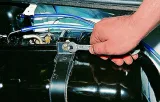
Под капотом найдите место крепления тросов к коробке передач. Обычно они фиксируются пластиковыми защелками. Сожмите фиксаторы и аккуратно потяните трос назад. - Освободите трос из направляющих.
Пройдитесь по его траектории и снимите все крепления, которые удерживают трос к кузову. Это могут быть пластиковые клипсы или металлические хомуты. - Вытащите трос КПП.
Аккуратно протяните трос через моторный отсек или из-под днища, в зависимости от конструкции вашего авто.
Установка нового троса
Установка выполняется в обратном порядке:- Проложите новый трос по заводской траектории.
- Зафиксируйте его в направляющих.
- Подключите к рычагу и коробке передач.
- Убедитесь, что передачи включаются четко и без усилий.
Особенности на других авто
- Volvo FH12.
На грузовиках процесс аналогичен, но доступ к тросу сложнее из-за массивной конструкции кабины. Иногда для снятия требуется откидывать кабину вперед. - Форд Транзит.
Трос КПП крепится к кулисе под капотом. Основная сложность - доступ к фиксаторам, особенно на дизельных версиях. - Фиат Добло.
Снятие выполняется через моторный отсек. Главное - аккуратно освободить пластиковые защелки на рычаге, чтобы не повредить корпус кулисы.
Советы по эксплуатации
- Не переключайте передачи с усилием.
Это ускоряет износ тросов и кулисы. - Проверяйте фиксацию троса при ТО.
Ослабленные крепления могут вызвать люфт или обрыв. - Используйте только оригинальные запчасти.
Особенно важно для Рено Кенго, где длина и форма тросов строго определены.
Теперь вы знаете, как снять трос КПП Рено Кенго своими руками. Процесс несложный, но требует аккуратности и внимательности. При наличии ямы или подъемника работа займет около 1-1,5 часов. А если трос изношен или оборван, его лучше заменить, чем пытаться ремонтировать - это обеспечит надежную работу трансмиссии и продлит срок службы коробки передач.