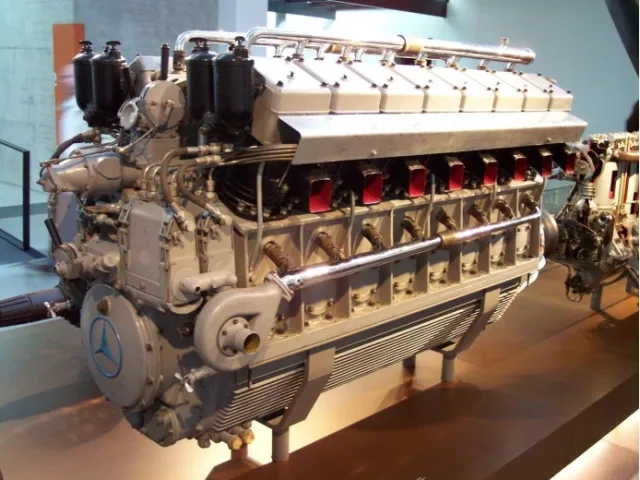
Троение двигателя - одна из самых распространённых проблем, с которыми сталкиваются автовладельцы. Симптом проявляется в нестабильной работе мотора, когда один или несколько цилиндров перестают полноценно участвовать в процессе сгорания топливно-воздушной смеси. Водители часто задаются вопросом, почему троит двигатель, ведь такая неисправность приводит не только к падению мощности, но и к повышенному расходу топлива, вибрациям и возможным поломкам. Причины троения могут быть разными - от банального выхода из строя свечи зажигания до серьёзных неисправностей топливной системы или компрессии. Рассмотрим основные семь факторов, которые чаще всего вызывают этот дефект, отдельно затронув ситуацию, когда троит бензиновый или дизельный двигатель на холодную.
1. Неисправности системы зажигания
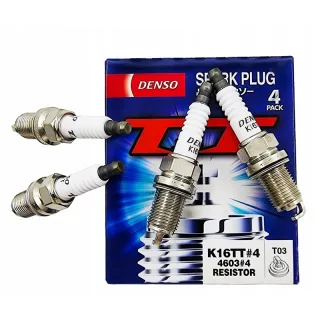
В бензиновом двигателе именно система зажигания отвечает за воспламенение смеси. Изношенные или повреждённые свечи зажигания, неисправные высоковольтные провода, сбои в работе катушки зажигания могут стать причиной того, почему бензиновый двигатель троит на холодную и прогретую. На холодном запуске искра может быть слабой, из-за чего цилиндр не загорается, а при нагреве проблема частично исчезает.
2. Проблемы с топливной системой
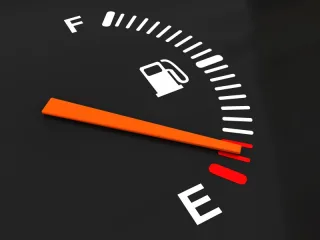
Если топливо подаётся в недостаточном количестве или подача нерегулярна, один из цилиндров может не работать корректно. Засорённые форсунки, неисправный бензонасос или регулятор давления топлива часто объясняют, почему на холодную троит двигатель. Для дизельных моторов ситуация аналогична - забитые форсунки или износ ТНВД (топливного насоса высокого давления) приводят к пропускам воспламенения.
3. Подсос воздуха во впускной коллектор
3. Подсос воздуха во впускной коллектор
Подсос лишнего воздуха нарушает соотношение топливно-воздушной смеси, делая её бедной. Особенно чувствительны к этому бензиновые двигатели на холодном запуске. Поэтому, если вы заметили, что на холодную троит бензиновый двигатель, стоит проверить прокладки коллектора, вакуумные шланги и соединения.
4. Проблемы с компрессией
Недостаточная компрессия в одном или нескольких цилиндрах может быть причиной того, почему троит двигатель даже на горячую. Износ поршневых колец, прогар клапанов, повреждение прокладки ГБЦ приводят к падению давления в цилиндре. В дизельных двигателях этот фактор особенно критичен, так как воспламенение смеси зависит только от сжатия воздуха.
5. Неисправности системы управления двигателем
Современные бензиновые и дизельные двигатели оснащены электронными блоками управления (ЭБУ). Сбой в работе датчиков (ДМРВ, ДПДЗ, ДПКВ, кислородный датчик) может нарушить подачу топлива и угол зажигания, что объясняет, почему троит двигатель на холодную и в движении.
6. Проблемы с системой подачи воздуха
Грязный воздушный фильтр или неисправный дроссельный узел могут мешать нормальному поступлению воздуха в цилиндры. В результате двигатель начинает работать нестабильно. Особенно часто это проявляется при утреннем запуске, когда двигатель ещё не вышел на рабочую температуру.
7. Особенности работы дизельных двигателей
Многие владельцы задаются вопросом, почему дизельный двигатель троит именно в холодную погоду. Причиной может быть загустевшее топливо, неисправные свечи накаливания или низкая компрессия. На холодную топливо воспламеняется хуже, и один или несколько цилиндров временно перестают работать.
Чтобы точно определить, почему на холодную троит двигатель, важно провести комплексную диагностику - проверить систему зажигания, топливную аппаратуру, герметичность впуска, компрессию и электронику. Для бензиновых моторов особое внимание стоит уделить свечам зажигания и форсункам, а для дизельных - состоянию свечей накаливания и ТНВД. Игнорирование проблемы приводит к ускоренному износу двигателя, увеличению расхода топлива и дорогостоящему ремонту, поэтому при первых признаках троения стоит обращаться к специалистам.