Как понять, что заклинил суппорт
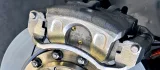
Признаки, по которым можно заподозрить, что заклинил тормозной суппорт:- Автомобиль уводит в сторону при торможении или движении по прямой.
- Колесо быстро нагревается, даже без активного торможения.
- Слышен скрежет, писк, металлический звук со стороны одного колеса.
- При попытке тронуться автомобиль дергается.
- Повышенный расход топлива.
- Тормозной диск обжигающе горячий.
Почему заклинил суппорт
Причин может быть несколько:- Заклинил поршень суппорта из-за коррозии или грязи.
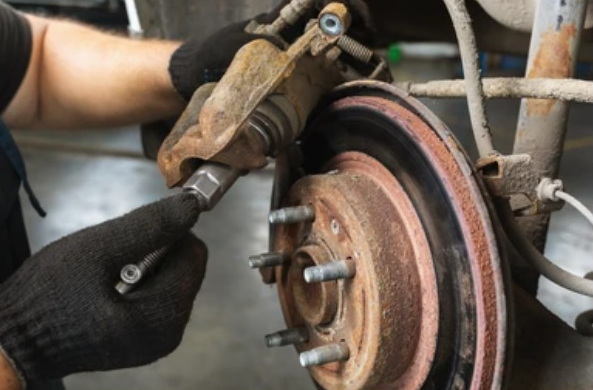
- Закисли направляющие пальцы, и суппорт перестал возвращаться в исходное положение.
- Износ или повреждение пыльников, попала влага и пыль.
- Плохая тормозная жидкость, не обеспечивающая правильное движение поршня.
- Старые колодки с поврежденной или искривленной поверхностью.
Что делать если заклинил суппорт в дороге
1. Остановитесь и убедитесь в проблеме
- Аккуратно выйдите и осмотрите колесо.
- Если есть задымление, запах гари, нагрев - проблема в суппорте.
2. Остудите тормоз
- Откройте капот, дайте автомобилю постоять 10-15 минут.
- Не лейте воду на горячий тормозной диск - возможна деформация.
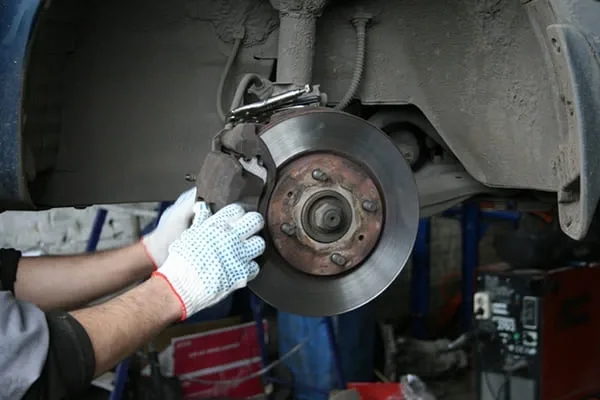
- При наличии домкрата можно приподнять колесо и аккуратно повращать - если колесо вращается с трудом, суппорт заклинило.
3. Попробуйте освободить суппорт
Если под рукой есть молоток или монтажка:- Несильными ударами по суппорту (через деревяшку или ткань) можно попробовать разжать закисший поршень.
- Также можно попробовать отогнуть колодки или покачать направляющие.
Как доехать до сервиса
- Двигайтесь на пониженной скорости, избегая резких торможений.
- Если передний суппорт заклинил, авто может резко тянуть в сторону - держите обе руки на руле.
- При заднем суппорте возможно снижение устойчивости - особенно при торможении.
- В случае полной блокировки - лучше вызвать эвакуатор.
Что делать после устранения на месте
После того как удалось временно устранить заклинивание:- Не откладывайте полноценный ремонт.
- Проведите проверку состояния направляющих, пыльников, поршня.
- Обязательно замените тормозную жидкость, если она загрязнена.
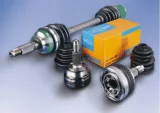
- Выполните проверку ШРУСа не снимая колеса - избыточные нагрузки при заклинивании могут повлиять и на привод.
Профилактика
Чтобы избежать ситуации, когда заклинил суппорт в дороге, важно:- Регулярно обслуживать тормозную систему.
- Менять тормозную жидкость раз в 2 года.
- Смазывать направляющие пальцы и следить за состоянием пыльников.
- Не использовать дешёвые или поддельные колодки.
Если у вас заклинил суппорт в дороге, действовать нужно быстро, но аккуратно. Остановитесь, остудите тормоз, попробуйте временно освободить суппорт. После устранения проблемы обязательно проведите полную проверку. Помните: тормозная система - ключевой элемент безопасности. Регулярное обслуживание - лучшая профилактика заклинивания, особенно на старых моделях, таких как ВАЗ 2109, 2114, 2107 или Пассат Б5.