***
Что такое внутренний ШРУС
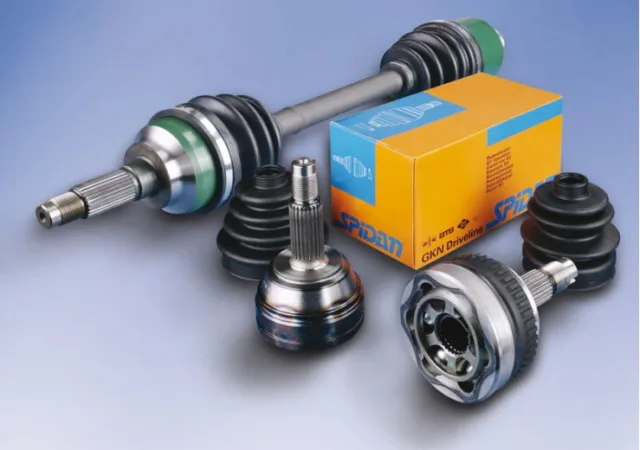
ШРУС - это шарнир равных угловых скоростей. Он обеспечивает плавную и равномерную передачу крутящего момента даже при изменении угла наклона привода. В переднеприводных автомобилях используется два типа: наружный (ближе к колесу) и внутренний (со стороны коробки передач). Внутренний ШРУС работает в постоянной связке с коробкой, поэтому нагрузки на него значительные, особенно при старте с места, резком разгоне или буксировке.Как шумит внутренний ШРУС
Если вас интересует, как шумит внутренний ШРУС, обратите внимание на следующие признаки:- Глухой стук при разгоне, особенно на первой и второй передаче.
- Щелчки или удары при резком отпускании сцепления.
- Стук при переключении с задней передачи на переднюю.
- Вибрации при движении на скорости, чаще всего начиная с 40-60 км/ч.
- Посторонние шумы в области коробки передач при движении по прямой.
Причины появления шума
Зная, как шумит ШРУС, можно предположить причину неисправности. Основные факторы:- Механический износ шариков и канавок внутри шарнира.
- Потеря смазки из-за поврежденного пыльника.
- Попадание влаги и грязи внутрь ШРУСа.
- Ослабление крепления привода или люфты в соединениях.
- Нарушение баланса после установки дешевых или бракованных деталей.
Как отличить шум внутреннего ШРУСа от других проблем
Нередко шум ШРУСа путают с неисправностью подвески или коробки. Чтобы исключить ошибки, можно провести простую проверку:- Если стуки появляются только на поворотах, это признак неисправности наружного ШРУСа.
- Если звуки возникают при разгоне и на прямой - скорее всего, шумит внутренний.
- При покачивании колеса вперед-назад при вывешенном автомобиле возможны люфты в приводе - это также может указывать на проблему с внутренним ШРУСом.
Что делать, если шумит внутренний ШРУС
Если вы точно определили, как шумит внутренний ШРУС, и уверены в причине неисправности, дальнейшие действия зависят от степени износа:- Заменить пыльник и добавить смазку, если повреждение незначительное.
- Установить ремкомплект (шарики, сепаратор) при умеренном износе.
- Выполнить полную замену ШРУСа при наличии сильных люфтов или износа рабочих поверхностей.
Знание того, как шумит внутренний ШРУС, помогает вовремя выявить проблему и избежать более серьезных повреждений трансмиссии. Прислушивайтесь к звукам автомобиля, особенно при старте и переключениях. Если вы замечаете посторонние стуки, вибрации или толчки - стоит пройти диагностику. Чем раньше устранить неисправность, тем меньше затрат на ремонт и выше безопасность вождения.