Что такое суппорт на автомобиле
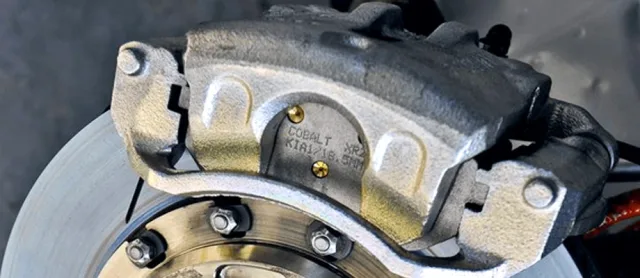
Суппорт - это компонент тормозной системы, который обеспечивает прижимание тормозных колодок к диску для создания трения и, как следствие, замедления автомобиля. Он работает в паре с тормозным диском и колодками, находясь в колесе. Благодаря суппорту обеспечивается надёжное и равномерное торможение. Иначе говоря, если упростить, что такое суппорт в автомобиле - это зажимной механизм, который превращает давление в тормозной системе в физическую силу торможения.Где находится суппорт в авто
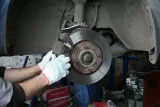
Суппорт установлен в каждом колесе дисковой тормозной системы, чаще всего - на передней оси, но также может быть и на задней. Он фиксируется на ступице и частично закрывает тормозной диск. При нажатии на педаль тормоза тормозная жидкость подаётся в суппорт, где она воздействует на поршни, выдвигающие тормозные колодки.Устройство суппорта
Чтобы понять, что такое суппорт на автомобиле, нужно рассмотреть его конструкцию. Основные элементы:- Корпус - металлический литой элемент, внутри которого размещены поршни.
- Поршень или поршни - выталкиваются под действием тормозной жидкости и прижимают колодки.
- Направляющие пальцы - обеспечивают подвижность суппорта.
- Пыльники и уплотнители - защищают от грязи и коррозии.
- Плавающий суппорт - имеет один поршень с одной стороны, корпус двигается по направляющим.
- Фиксированный суппорт - имеет по два (или более) поршня с каждой стороны, корпус неподвижен.

Как работает тормозной суппорт
- Водитель нажимает на педаль тормоза.
- Тормозная жидкость под давлением поступает в суппорт.
- Поршень начинает выдвигаться и прижимает тормозную колодку к диску.
- В результате трения автомобиль замедляется.
Признаки неисправности суппорта
Если суппорт работает неправильно, торможение становится неравномерным и менее эффективным. Основные признаки:- Автомобиль уводит в сторону при торможении;
- Скрип или скрежет из области колеса;
- Сильный нагрев диска и запах гари;
- Подклинивание колеса;
- Нестабильная работа тормозной педали.
Зачем нужно следить за состоянием суппорта
Суппорт - не только ключевой элемент в системе безопасности, но и деталь, подверженная постоянной нагрузке. Его исправность напрямую влияет на:- длину тормозного пути;
- износ тормозных колодок;
- равномерность торможения всех колес;
- устойчивость автомобиля на дороге.
Теперь вы знаете, что такое суппорт на машине, где он находится и как работает. Суппорт в автомобиле - это важный элемент тормозной системы, обеспечивающий надежное торможение за счёт прижатия колодок к тормозному диску. При любых признаках неисправности важно не откладывать диагностику - от исправности суппорта напрямую зависит безопасность движения в авто.