Зачем нужна подвеска в машине
Чтобы понять, как работает подвеска в машине, нужно начать с ее основной функции - компенсации дорожных неровностей. Каждый раз, когда колесо автомобиля сталкивается с ямой или кочкой, подвеска принимает на себя удар и гасит вибрации, не передавая их на кузов. Это делает поездку более плавной и предсказуемой.Основные элементы подвески автомобиля
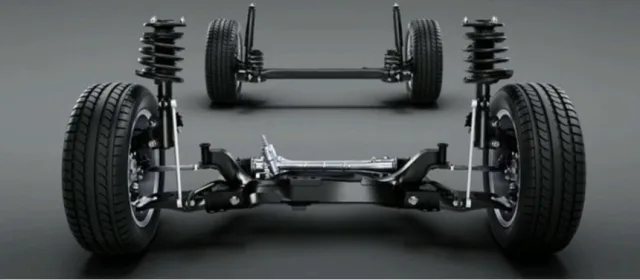
Перед тем как перейти к тому, как работает передняя подвеска автомобиля, разберем ее ключевые компоненты:- Амортизаторы - гасят колебания, возникающие при движении по неровной поверхности.
- Пружины или рессоры - удерживают кузов на определенной высоте от дороги, принимают на себя основную нагрузку.
- Рычаги - соединяют колесо с кузовом, обеспечивают подвижность при сохранении устойчивости.
- Шаровые опоры и сайлентблоки - позволяют элементам подвески двигаться относительно друг друга.
- Стабилизатор поперечной устойчивости - уменьшает крены кузова в поворотах.
Как работает передняя подвеска
Передняя подвеска выполняет двойную задачу: обеспечивает комфорт при движении и точную управляемость. Она должна не только смягчать удары от неровностей, но и передавать управляющее усилие от руля на колеса.Принцип работы
- При наезде переднего колеса на препятствие, колесо движется вверх.
- Энергия удара передается на пружину и амортизатор.
- Пружина сжимается, гасит часть энергии, амортизатор снижает колебания и стабилизирует кузов.
- Все движения происходят в контролируемых пределах благодаря рычагам и опорам.
- После преодоления препятствия элементы возвращаются в исходное положение.

Типы подвесок: особенности
Существует несколько типов подвесок, каждая из которых имеет свои особенности в работе:- Зависимая подвеска - колеса одной оси связаны между собой. Используется в основном на задней оси грузовиков и внедорожников.
- Независимая подвеска - каждое колесо движется независимо от другого. Такой тип чаще всего используется в передней части легковых автомобилей.
- МакФерсон (McPherson) - популярный тип передней независимой подвески, сочетающий простоту, компактность и надежность.
- Многорычажная подвеска - более сложная и дорогая, обеспечивает отличную управляемость и комфорт.
Что влияет на работу подвески
Чтобы подвеска автомобиля работала эффективно, важно учитывать:- Качество дорожного покрытия;
- Состояние амортизаторов и пружин;
- Регулярность технического обслуживания;
- Манеру вождения (частые резкие торможения или повороты ускоряют износ).
Подвеска и безопасность
Знание того, как работает подвеска, помогает не только лучше понять конструкцию автомобиля, но и вовремя реагировать на неисправности. От состояния передней подвески зависит:- точность управления;
- эффективность торможения;
- устойчивость на поворотах;
- комфорт при езде на высокой скорости.
Теперь вы знаете, как работает подвеска автомобиля, какие элементы в нее входят и как они взаимодействуют. Особенно важно понимать, как работает передняя подвеска, ведь она напрямую влияет на безопасность и контроль за движением. Забота о подвеске - это забота о вашем комфорте и жизни на дороге. Регулярно проверяйте состояние элементов и не откладывайте диагностику при первых признаках износа.