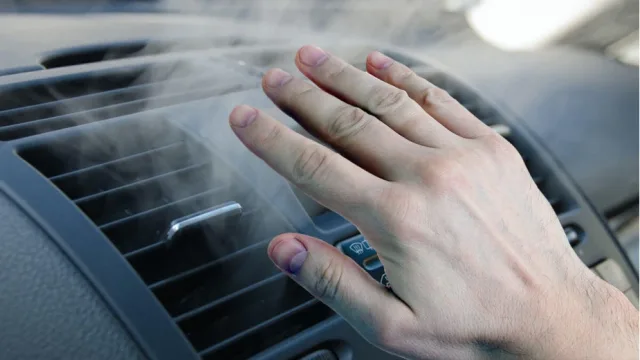
Почему важно знать, есть ли фреон в кондиционере
- Снижается эффективность охлаждения;
- Увеличивается нагрузка на компрессор;
- Возможны поломки кондиционера;
- Повышается расход топлива;
- Воздух в салоне становится влажным и тёплым.
Основные признаки нехватки фреона в автомобиле
Перед тем как проверять систему, стоит обратить внимание на характерные симптомы:- Кондиционер дует тёплым или неравномерно холодным воздухом;
- Посторонние шумы при включении системы;
- Запотевание стёкол при работе кондиционера;
- Повышенная влажность в салоне;
- Компрессор часто включается и выключается.
Если замечены эти признаки, пора узнать, как проверить фреон в кондиционере в автомобиле самостоятельно или на СТО.
Как проверить уровень фреона самостоятельно
Проверка фреона в машине возможна несколькими способами. Некоторые доступны каждому автолюбителю, другие требуют специального оборудования.1. Визуальная проверка патрубков и соединений
Откройте капот и осмотрите трубки кондиционера:- При недостатке фреона часто появляются маслянистые следы или налёт у соединений;
- Если видны трещины на трубках - возможна утечка.
2. Проверка температуры воздуха из дефлекторов
Запустите двигатель, включите кондиционер на максимальное охлаждение и измерьте температуру воздуха у решётки обдува:- Нормальное значение: 4-9°C;
- Если температура выше - вероятно, уровень фреона понижен.
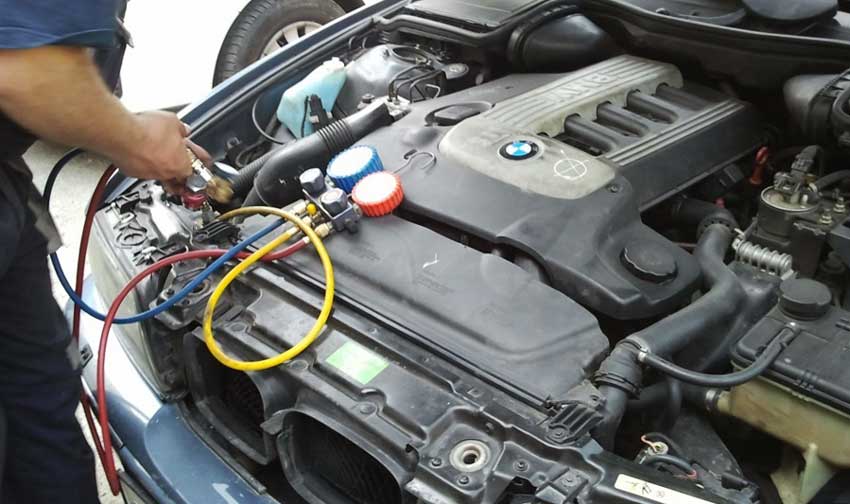
3. Проверка давления с помощью манометров
Это самый точный метод, требующий манометрического блока с двумя шкалами (высокого и низкого давления). Порядок действий:- Подключите шланги манометра к сервисным портам системы;
- Запустите двигатель и включите кондиционер;
- Проверьте показания:
- Низкое давление: 1,5-2,5 атм;
- Высокое давление: 12-18 атм (в зависимости от температуры окружающей среды).
Как выглядит фреон и можно ли его увидеть
Многие спрашивают, как выглядит фреон в машине. На самом деле фреон - это бесцветный газ (в редких случаях с лёгким запахом). В обычных условиях он не виден. Однако при утечках может быть заметен масляный след или холодная точка на трубке. Для выявления утечки применяют:- Флуоресцентные добавки - светятся под ультрафиолетом;
- Электронные течеискатели - приборы, улавливающие пары хладагента;
- Мыльный раствор - старый, но действенный способ для проверки соединений.
Что делать при недостатке фреона
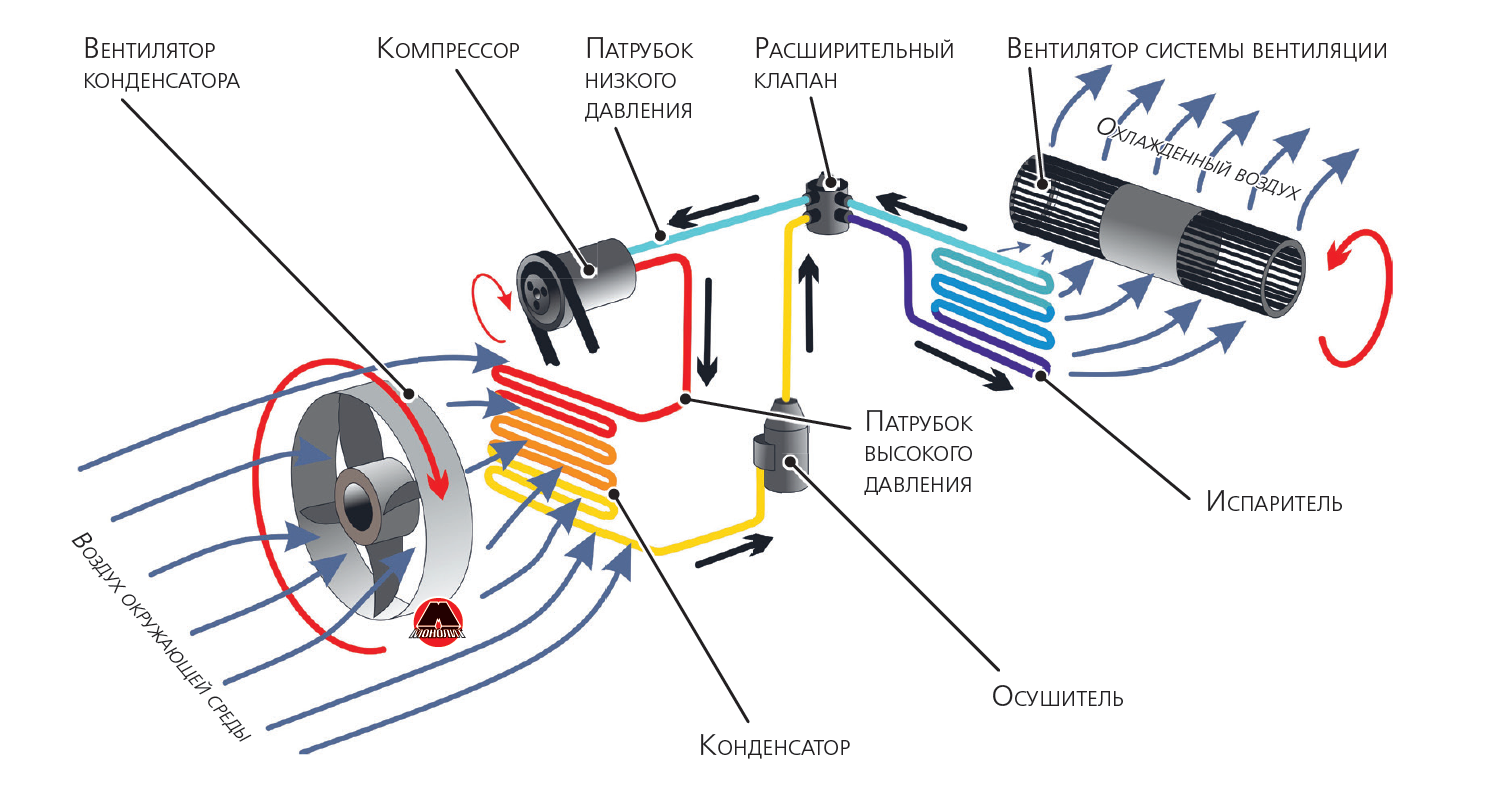
Если вы установили, что в системе не хватает фреона, важно действовать поэтапно:- Не заправляйте «на глаз» - это может привести к поломке компрессора;
- Найдите причину утечки - заправка без устранения дефекта бессмысленна;
- Обратитесь в автосервис для полной диагностики и заправки;
- Используйте только рекомендованный тип фреона (чаще всего R134a или R1234yf).
Профилактика: как сохранить фреон в системе
Чтобы не искать каждый сезон, как проверить фреон в машине, придерживайтесь простых правил:- Включайте кондиционер даже зимой (раз в неделю на 5-10 минут);
- Проводите диагностику системы раз в год;
- Следите за состоянием шлангов и уплотнителей;
- Не допускайте длительной работы кондиционера без охлаждения.
Теперь вы знаете, как проверить фреон в кондиционере в машине и на что обратить внимание при первых признаках неисправности. Самостоятельная проверка возможна, особенно если использовать базовые инструменты - термометр, мыльный раствор, визуальный осмотр. Однако при малейших сомнениях лучше доверить диагностику специалистам. Поддержание правильного уровня фреона - это не только вопрос комфорта, но и забота о ресурсе всей системы кондиционирования вашего автомобиля.