Чтобы понять, почему турбина гонит масло в интеркулер, важно разобраться в принципе работы этих узлов. Турбина использует отработанные газы для нагнетания воздуха в цилиндры, тем самым увеличивая мощность двигателя. Для охлаждения сжатого воздуха используется интеркулер - радиатор, через который проходит поток и снижает температуру воздуха перед попаданием в двигатель. Оба узла работают под высоким давлением и температурой, поэтому любые неполадки в системе проявляются довольно быстро.
Основные причины, почему турбина кидает масло в интеркулер
Масло в интеркулере может появиться по разным причинам. Вот основные:1. Износ уплотнений турбокомпрессора
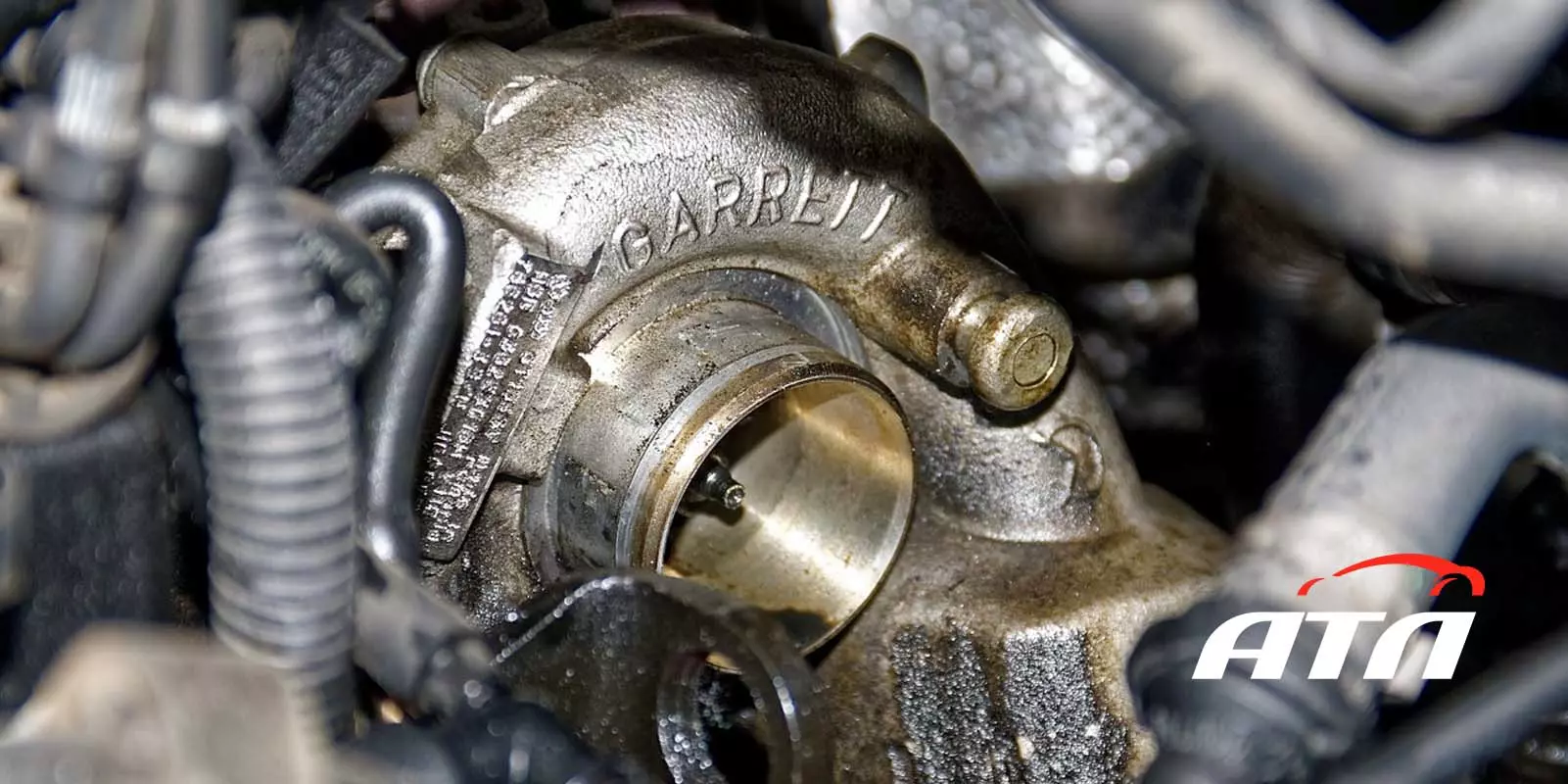
Это самая частая причина, почему турбина кидает масло в интеркулер. Внутри турбины находятся маслосъёмные кольца или уплотнители, которые удерживают масло внутри корпуса. При их износе смазка начинает просачиваться в воздушный тракт. Признаки:- Повышенный расход масла;
- Слабый надув;
- Следы масла в патрубках и на заслонке дросселя.
2. Перегрев и нарушение дренажа масла
Если масло не успевает сливаться из турбины в картер, оно начинает «продавливаться» внутрь компрессорной части. Это может происходить при перегреве, закоксованности сливного канала или неправильной установке дренажа. Что происходит:- Масло выталкивается в интеркулер под давлением;
- Образуется густой налёт внутри системы.
3. Избыточное давление картерных газов (сапун)
Если система вентиляции картера засорена или неисправна, давление возрастает. Это приводит к тому, что турбина гонит масло в интеркулер, особенно при высоких оборотах двигателя. Как проявляется:- Жирный налёт в патрубках;
- Давление масла может быть нестабильным;
- Чёрный дым при ускорении.
4. Некачественное масло или его избыток
Переизбыток масла в системе также может быть причиной. Если уровень выше нормы, часть масла начинает выходить через турбину в систему впуска. Важно помнить: некачественное или старое масло теряет вязкость и хуже удерживается уплотнителями.
Опасно ли масло в интеркулере?
Небольшое количество масла - допустимо. Однако если его слишком много, это говорит о серьёзной неисправности. Кроме того, последствия могут быть опасными:- Засорение интеркулера и снижение его эффективности;
- Углеродистые отложения в камере сгорания;
- Повышение риска масляного удара - ситуация, при которой масло попадает в цилиндр в большом объёме и двигатель клинит.
Что делать, если турбина кидает масло в интеркулер?
Если вы заметили признаки утечки, действовать нужно без промедления. Вот базовые шаги:1. Проверьте состояние патрубков
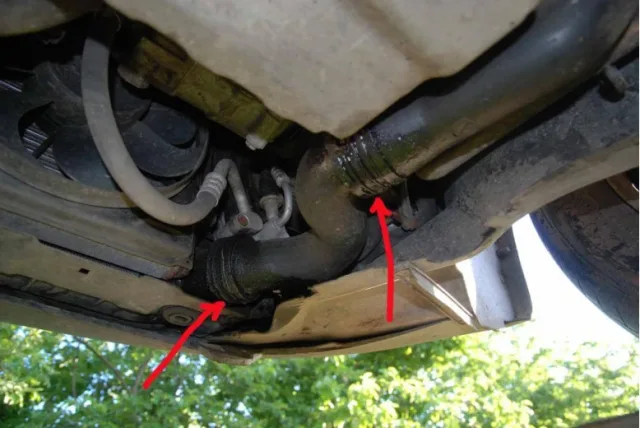
Разберите часть впуска и осмотрите патрубки на наличие масла. Если масло скопилось внизу интеркулера - скорее всего, турбина кидает масло стабильно.2. Оцените состояние турбины
Проверьте люфт вала турбокомпрессора. При наличии радиального люфта - требуется замена картриджа или всей турбины.3. Диагностика вентиляции картера
Очистите или замените клапан вентиляции (PCV), убедитесь, что нет избыточного давления.4. Замените масло и фильтр
Используйте только рекомендованное масло с правильной вязкостью. При необходимости выполните промывку двигателя.Профилактика: как избежать попадания масла в интеркулер
Чтобы не задаваться вопросом, почему турбина кидает масло в интеркулер, стоит выполнять профилактику:- Меняйте масло каждые 7-10 тыс. км;
- Не перегревайте двигатель;
- Давайте турбине «остыть» после быстрой езды (1-2 минуты на холостом);
- Следите за состоянием дренажной системы;
- Используйте только качественные расходные материалы.
Теперь вы знаете, почему турбина кидает масло в интеркулер, и что с этим делать. В большинстве случаев проблема связана с износом уплотнителей, нарушением вентиляции картера или перегревом турбины. Не стоит игнорировать первые признаки - своевременная диагностика и ремонт помогут избежать серьёзных поломок двигателя. Если у вас есть подозрения, лучше обратиться в сервис и провести полную проверку системы наддува и смазки. Чем раньше вы выявите проблему, тем дешевле и безопаснее будет её решение.