Что такое подвеска на машине и как она работает
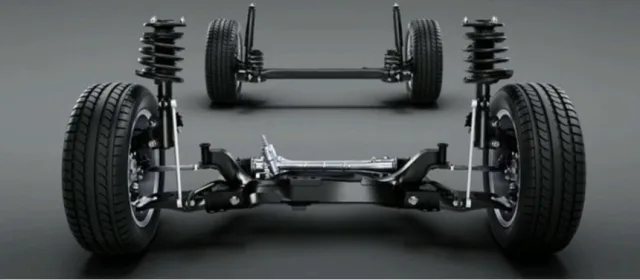
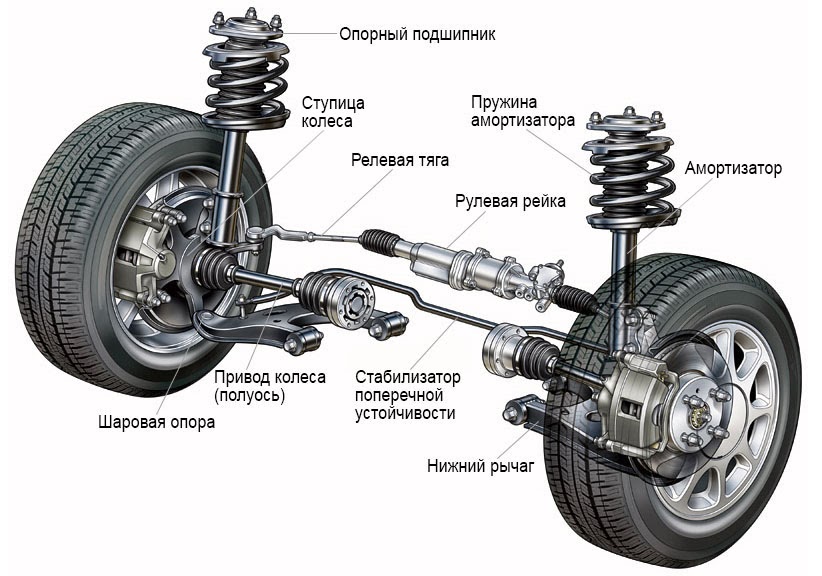
Подвеска на машине - это совокупность механизмов, соединяющих кузов автомобиля с колёсами. Основная задача подвески - гасить колебания, возникающие при движении по неровной дороге, и обеспечивать устойчивость автомобиля на высоких скоростях. Это означает, что подвеска играет важную роль в управляемости, сцеплении с дорогой и общем ощущении от вождения. Подвеска состоит из нескольких ключевых элементов:
Пружины или рессоры, которые воспринимают основную нагрузку.
Амортизаторы, гасители колебаний, обеспечивающие плавность хода.
Рычаги, шаровые опоры и сайлентблоки, передающие усилия от колёс к кузову.
Стабилизаторы поперечной устойчивости, минимизирующие крены кузова в поворотах.
Как работает подвеска в автомобиле? Во время движения по неровной поверхности колёса перемещаются вверх и вниз. Пружина сжимается и растягивается, а амортизатор гасит лишнюю энергию, чтобы кузов не раскачивался. Таким образом, пассажиры ощущают меньше тряски, а колёса сохраняют контакт с дорогой, обеспечивая контроль над машиной.
Какие бывают типы подвески в машине
В современном автопроме применяются разные типы подвески. Важно понимать, что такое подвеска у машины, потому что её тип влияет не только на комфорт, но и на стоимость ремонта, а также на поведение автомобиля в разных дорожных условиях. Независимая подвеска - каждая сторона оси работает отдельно. Например, передняя независимая подвеска позволяет одному колесу двигаться, не затрагивая второе. Это улучшает сцепление с дорогой и комфорт. Зависимая подвеска - соединяет два колеса одной оси жёсткой балкой. Такой тип чаще используется на задней оси грузовиков и бюджетных автомобилей. Он надёжнее и проще в обслуживании, но менее комфортен. Также существует полунезависимая подвеска, сочетающая элементы обеих систем. Часто используется в недорогих легковых автомобилях, обеспечивает компромисс между ценой и управляемостью.
Почему важно следить за состоянием подвески автомобиля
Теперь, когда мы разобрались, что такое подвеска у машины, стоит упомянуть, почему важно вовремя её обслуживать. Признаки неисправности подвески могут включать:
Посторонние звуки при езде по неровностям;
Увод машины в сторону;
Неровный износ шин;
«Козление» автомобиля при наезде на кочки;
Длительная раскачка после проезда ямы.
Если один или несколько симптомов наблюдаются регулярно, подвеску необходимо диагностировать. Неправильная работа подвески снижает эффективность торможения, ухудшает управляемость и повышает риск аварий.Что такое подвеска автомобиля - это не просто набор пружин и рычагов. Это сложная система, обеспечивающая безопасность, комфорт и стабильность машины в движении. Понимание принципов её работы поможет каждому водителю бережно относиться к своему транспортному средству и своевременно устранять возможные неисправности.