У більшості випадків паливний насос монтується поруч із баком, хоча трапляються конструкції, де він вбудований безпосередньо в саму ємність. Між насосом і форсунками встановлюється паливний фільтр, який відповідає за чистоту пального. Його головне завдання — затримувати сторонні часточки та забруднення, що можуть потрапити в бак із навколишнього середовища.
Коли тиск у паливній магістралі стає вищим за допустимий, надлишки пального прямують назад у бак по зворотних трубопроводах. Такий механізм підтримує стабільну роботу системи, запобігає стрибкам тиску та захищає її елементи від пошкоджень.
Вихід з ладу електричного насоса або його нестабільна робота зазвичай обертаються витратним ремонтом чи повною заміною вузла. Сьогодні купити бензонасос можна через інтернет-магазини автозапчастин, обравши деталь за VIN-кодом автомобіля.
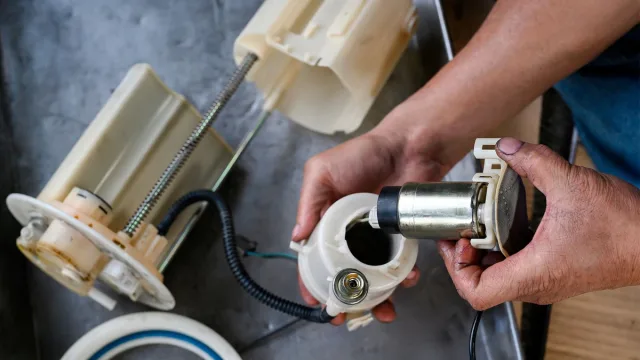
Існує два основні різновиди паливних насосів: механічні та електричні. Механічні агрегати працюють за рахунок приводних ременів від двигуна, а електричні — завдяки системі електронного впорскування. Останні зазвичай вирізняються вищою надійністю та меншою кількістю проблем у процесі використання.
Автомобілі з карбюратором, як правило, оснащуються механічним діафрагмовим насосом. Такий пристрій приводиться в дію розподільчим валом, забирає пальне з бака та подає його в поплавкову камеру карбюратора. Робочий тиск при цьому коливається в межах 0,2–0,3 бару.
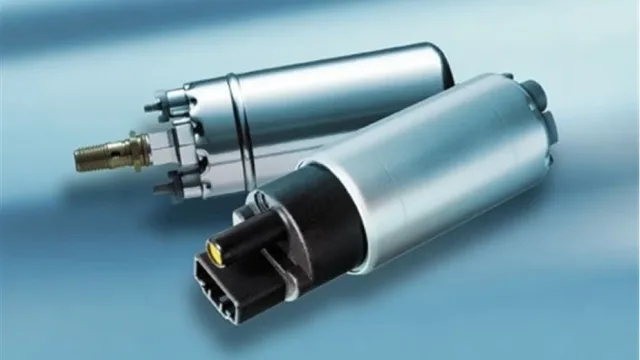
Електричний насос вважається надійнішим за механічний. Його конструкція включає такі елементи:
- Кришка з електричними роз'ємами, зворотним клапаном (запобігає витоку палива) та гідравлічним виходом. На ній також розміщені вугільні щітки для двигуна комутатора та елементи захисту від перешкод — котушки індуктивності та конденсатори за потреби.
- Електродвигун, що складається з якоря та постійних магнітів. Зазвичай використовується мідний комутатор, а для спеціальних систем і дизельних агрегатів — вугільні комутатори.
- Насосна частина, яка буває об'ємною або проточною.
- Електричні паливні насоси поділяються на проточні та об'ємні.
Нагнітальні насоси відзначаються надійністю та безпекою, оскільки працюють безперервно і майже без пульсацій. Їх можна поєднувати з насосами підвищеної продуктивності, незалежно від режиму роботи та максимального навантаження.
Подовжувальні насоси застосовуються для роботи з густими середовищами, як-от холодне дизельне пальне. Залежно від конструкції та умов експлуатації можлива значна пульсація тиску. Для коректної роботи електричних насосів у системах уприскування бензину нагнітач було відокремлено від основного насоса. Завдяки збільшеному зусиллю нагнітання та стійкості до вібрацій такі насоси знайшли застосування в дизельних системах загального призначення. Потужні насоси здатні створювати тиск до 6,5 бару.
У системах електронного впорскування бензину електричні нагнітачі спершу розміщувалися поза баком — у магістралі. Згодом конструкція змінилася: насос став частиною модуля подачі палива, до якого можуть входити й інші компоненти. Серед них — датчик рівня пального та захисний фільтр насоса.
Поява систем уприскування в сучасних двигунах зумовила потребу в електричних паливних насосах. Незалежно від температури двигуна, електричний насос (ПНВТ) забезпечує подачу необхідної кількості палива під тиском, потрібним для впорскування.
Безпека
Пошкоджений електричний паливний насос, що не виконує своїх функцій, може негативно позначитися на безпеці та комфорті водіння. Недостатня подача пального призводить до нестабільної роботи двигуна, зокрема до пропусків запалювання та деформацій.
Одна з ключових переваг електричного бензонасоса — економніша витрата пального, адже він не має механічного приводу та пов'язаного з ним опору. Від'єднання насоса від механічної частини двигуна також дає змогу точніше контролювати подачу бензину. Наприклад, можлива попередня подача палива для швидкого запуску двигуна, що особливо актуально для систем "стоп-старт".