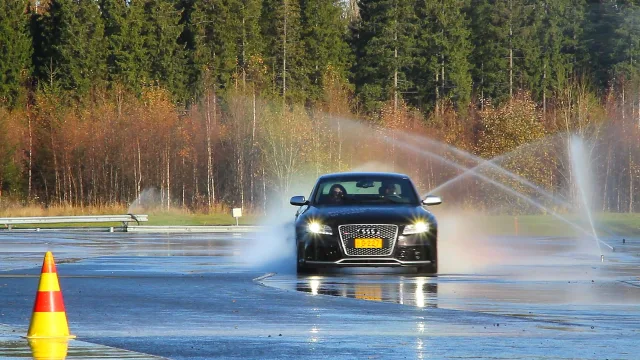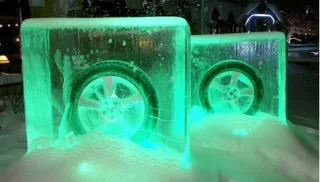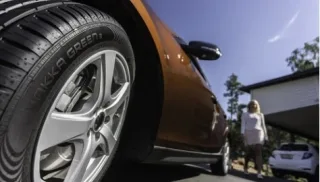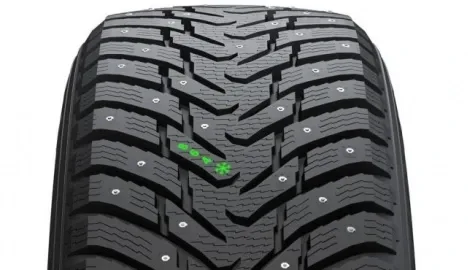
Этому и посвящен наш сюжет, как говорится основанный на реальных событиях. Место событий – Финляндия, полигон Nokian для теста летних шин.
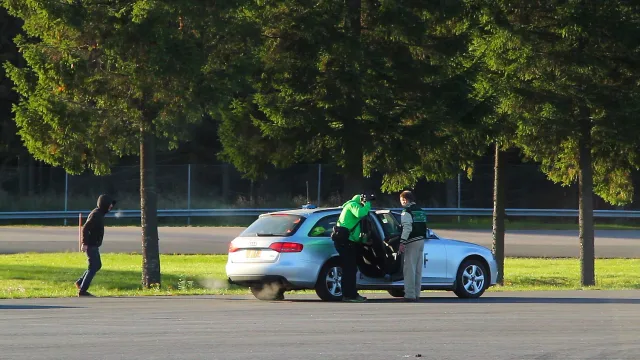
Сюда нас пригласили для того, чтобы мы поближе узнали о таком термине как аквапланирование. Но в ходе тестов нас особо заинтересовало другое – а именно сопротивление качению. На примере летних шин Nokian Hakka Blue нам показали, как далеко может проехать накатом один и тот же автомобиль, обутый в эти и другие покрышки. Разница в дистанции составила почти 30 процентов, что можно было бы списать на рекламные трюки, ведь Hakka Blue позиционируют как шину со сверхнизким коэффициентом. Но действительно ли сопротивление качению так сильно влияет на расход? Смотрите видео и все узнаете:
Если углубиться в изучение сопротивления качению, станет ясно, почему в Европе многие покупатели шин интересуются этим параметром. Ответ прост: в отличие от нас европейцы уже посчитали, что легкое вращение не только снижает выбросы CO2, но и приводит к более низкому расходу топлива. На сколько? Все зависит от типа автомобиля и двигателя, но согласно последним исследованиям ADAC, даже если объем двигателя не превышает 2-х литров, за счет установки шин с низким сопротивлением качению можно снизить средний расход до полутора-двух литров! А это 25-30 гривен на 100 километрах или порядка 300 гривен на тысяче. За сезон и вовсе можно сэкономить 2500-3000 гривен. Уже и не мелочь, верно?
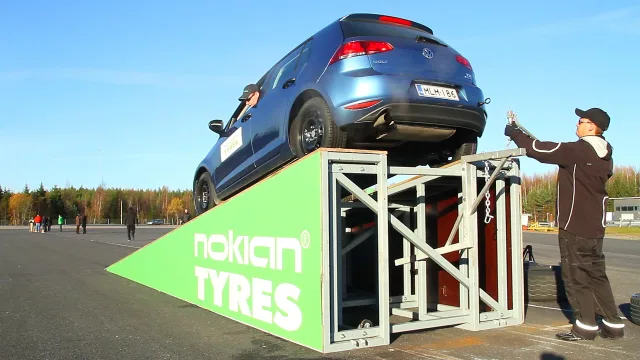
Второй важный момент, помогающий экономить топливо при помощи колес – давление. Если внутреннее давление в шине слишком низкое, движение машины сложнее контролировать. В свою очередь, колеса меняют форму, что ухудшает их контакт с дорожным полотном. Это приводит к дополнительной выработке тепла и более быстрому износу. Увеличивается и расход. Поэтому всегда надо устанавливать уровень внутреннего давления в шинах, соответствующий нагрузке. Отправляясь в отпуск на забитой вещами машине, следует увеличить уровень внутреннего давления. И наоборот – если автомобиль пустой, давление надо снизить, согласно рекомендациям завода-изготовителя автомобиля.
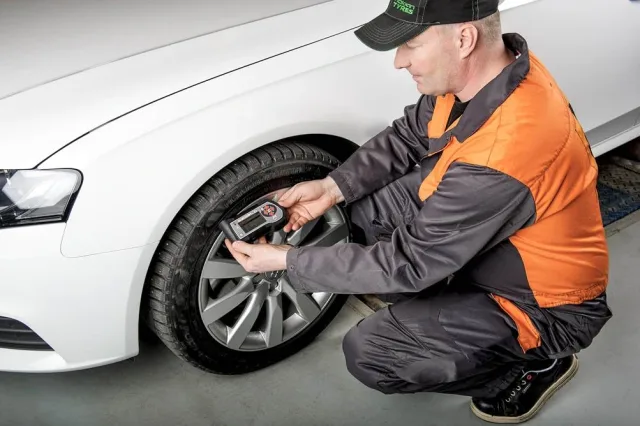
Третье. Для того, чтобы ваши летние шины сохраняли свои характеристики, следует правильно за ними ухаживать, и в первую очередь контролировать их износ. Когда глубина канавки протектора становится меньше 4 мм – это означает, что шина больше небезопасна для езды на мокрой дороге, так как значительно уменьшается сцепление с влажной поверхностью дорожного покрытия и сопротивление аквапланированию. При движении на поворотах изношенные шины (при показателях: глубина протектора менее чем 1,6 мм, уровень воды на дороге 5 мм) начинают скользить на скорости 76 км/ч, в то время как у новых шин начальная скорость скольжения 96 км/ч.
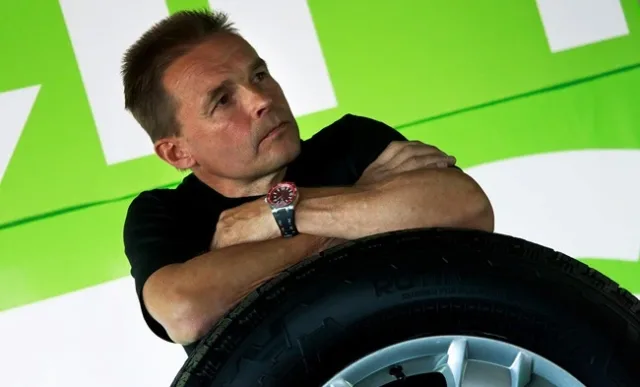
«Приводные колеса изнашиваются значительно быстрее, чем свободно вращающиеся шины. Для того чтобы уравнять износ, вам следует менять местами передние и задние колеса каждые 7-8 тыс. км» - утверждает Матти Морри, руководитель отдела технической поддержки клиентов концерна Nokian Tyres.
Поверхность колеса также может изнашиваться неравномерно. Если глубина протектора с внешней стороны составляет, например, 6 мм, то есть вероятность того, что глубина канавок с внутренней стороны может отличаться. Чрезмерный износ на плечевой зоне колеса часто является показателем очень низкого уровня внутреннего давления в шине, неправильной регулировки углов установки колёс или изношенных амортизаторов.
Контролируйте давление в шинах, регулируйте его в зависимости от нагрузки и не экономьте на резине. Не важно, Nokian или нет, лучше один раз переплатить за хорошую резину с низким сопротивлением качению и экономить на каждой сотне километров, чем тратить деньги на заправке и рисковать своей жизнью на дороге…