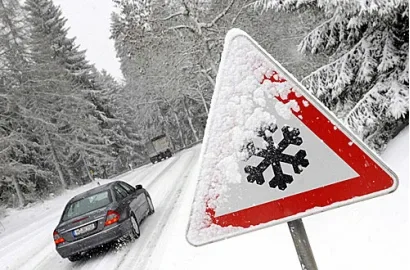
Зимой, когда на улице мороз и всё покрыто снегом и льдом, машина за ночь промерзает насквозь. Чтобы запуск прошёл успешно, разберём типичные трудности, с которыми сталкивается водитель в холодное утро.
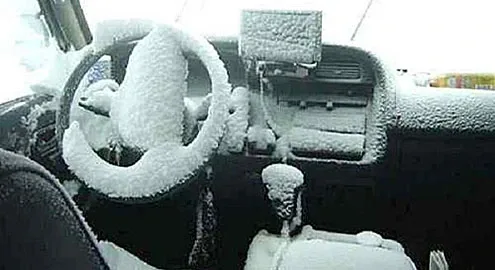
Как попасть в салон
Замёрзшие замки. Владельцам авто с центральным замком проще — им не приходится вставлять ключ в личинку. Но это работает только при условии, что аккумулятор не разрядился окончательно и сам электрозамок не замёрз. В противном случае без механического ключа не обойтись.
Существует несколько способов разморозить замок:
1. Воспользоваться специальным размораживателем — аэрозолем или жидкостью. Подойдут составы WD-40, Лукойл, Wesco, Минутка, АнтиМороз, Luqui Moly. Цена таких средств начинается от 10 гривен, а порядок действий указан на упаковке.
2. Использовать водку: её набирают в шприц и заливают в скважину. Однако при морозе ниже -20°C эффективность такого метода заметно падает, а при -27°C водка замерзает сама.
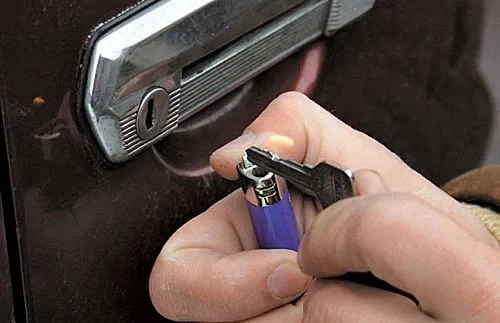
3. Прогреть ключ. Его нагревают зажигалкой (не замок!) и вставляют в замочную скважину.
4. Приложить к замку грелку с горячей водой.
Категорически не стоит лить кипяток прямо из чайника: лёд растает, но вода тут же замёрзнет снова, и в следующий раз открыть дверь будет ещё сложнее.
Примерзшие двери. Обычно речь идёт об уплотнителях. Если дверь не открывается, не стоит прикладывать силу — резинки могут порваться. Нужно действовать аккуратно, а лучше попробовать открыть ту дверь, чьи уплотнители не примёрзли, и попасть в салон через неё.
На будущее: перед холодами резиновые уплотнители стоит обработать силиконовой смазкой (от 20 гривен) или той же WD-40. О полной подготовке к зиме мы писали в статье «Как подготовить автомобиль к зиме».
Уборка снега. Обязательно нужно очистить и дверные проёмы, иначе растаявший снег превратится в лёд.
Электрика и аккумулятор
В сильный мороз не стоит сразу крутить стартер: при низкой температуре батарея теряет ёмкость, и заряда может не хватить.
Сначала аккумулятор нужно разогреть. Для этого достаточно на минуту включить габариты или ближний свет — это не посадит батарею, а наоборот, запустит химические реакции и прогреет её.
Если батарея настолько разряжена, что даже освещение не работает, скорее всего, придётся «прикуривать» авто (об этом — в материале «Как правильно „прикурить“ автомобиль»).
Если такой возможности нет, остаётся снять аккумулятор и отогреть его дома — в тазу с горячей водой или возле батареи отопления. После этого лучше подзарядить его зарядным устройством (от 250 гривен).
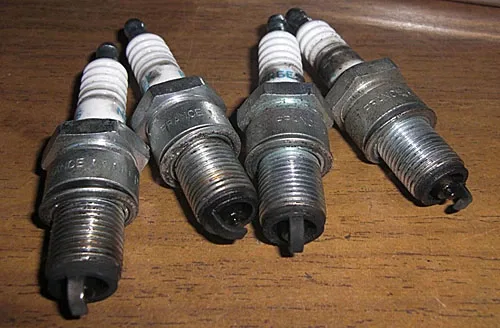
В холода стоит также проверить свечи зажигания: они часто становятся причиной плохого запуска. Свечи должны быть чистыми, сухими, без нагара. Неплохо иметь с собой запасной комплект.
Прогрев двигателя и коробки
Как мы уже писали в материале «Что будет если... на улице -40°С», на морозе технические жидкости становятся слишком вязкими. Даже с исправным аккумулятором стартеру может быть тяжело: густое масло создаёт лишнее сопротивление.
Чтобы уменьшить плотность масел, нужно прогреть двигатель и коробку передач.
Раньше для этого использовали чайник с кипятком, поливая коллектор. Но для современных машин такой способ опасен — можно повредить электронику и сам мотор.
Поэтому, если нет тёплого гаража, применяют другие методы:
1. Строительный фен: им прогревают картер двигателя и гидротрансформатор АКПП (автомат сильнее боится мороза). Также под картер можно поставить электрическую плитку.
Минус таких способов в том, что нужно электричество от розетки на 220 В.
Зато с феном и розеткой легко решаются и проблемы замёрзших замков, и примерзших уплотнителей.
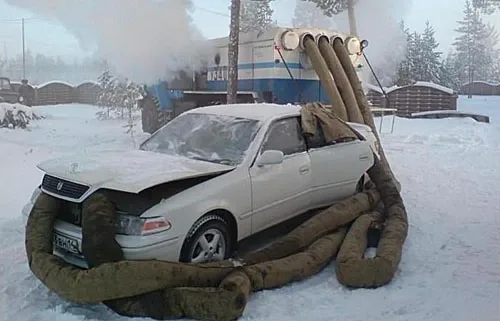
2. Альтернативный вариант — направить выхлопные газы заведённой соседней машины на двигатель с помощью пожарного рукава.
Метод выглядит забавно, но работает вполне эффективно:
Важный момент: на морозе даже после прогрева двигателя нельзя сразу ехать на машине с АКПП. Пока селектор стоит в режиме «Паркинг», трансмиссионная жидкость не циркулирует в коробке.
Поэтому перед началом движения нужно нажать на тормоз, перевести селектор в «Драйв» и, удерживая тормоз, постоять ещё 1-2 минуты, чтобы коробка прогрелась.
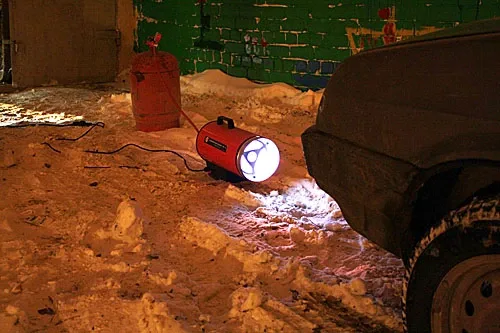
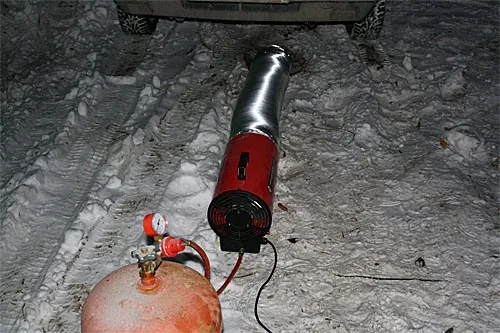
В регионах с суровым климатом часто используют специальные тепловые «пушки»:
Отогрев тормозов
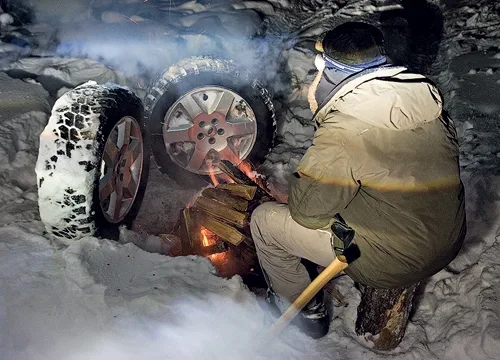
За ночь могут примёрзнуть и тормозные механизмы. Если нет ни фена, ни рукава, их можно прогреть горячей водой. Здесь лёд не образуется — вода высохнет во время движения.
Важно: для отогрева нельзя использовать открытый огонь. Это может испортить краску или стать причиной пожара.
Запуск двигателя
На морозе стартер работает с повышенной нагрузкой. Поэтому перед запуском стоит отключить всех потребителей энергии: радио, свет, не трогать руль и педаль тормоза. На механике — выжать сцепление.
Если за 5-7 секунд работы стартера мотор не завёлся, нужно остановиться и дать аккумулятору восстановиться 2-3 минуты.
Не стоит крутить стартер дольше 10 секунд — можно залить свечи и разрядить батарею.
Даже после успешного запуска на МКПП не отпускайте педаль сцепления сразу: некоторое время двигатель работает нестабильно, и ему нужно время, чтобы прогреться.
Как избежать замерзания
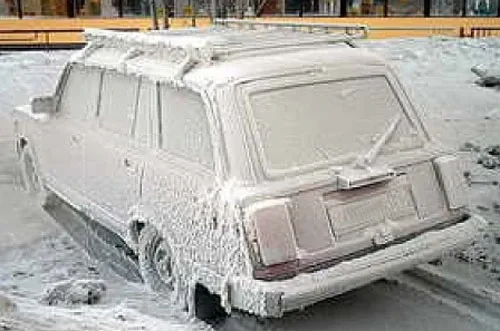
Чтобы машина не замёрзла за ночь, нужно подготовить её заранее: обработать уплотнители силиконом, нанести на стёкла зимнюю незамерзайку, проверить аккумулятор, антифриз, масла, тормозную жидкость и омывайку на соответствие ожидаемым морозам.
Ручником зимой лучше не пользоваться, чтобы он не примёрз. Перед парковкой стоит несколько раз нажать на тормоз, чтобы просушить колодки.
Перед тем как закрыть машину, полезно проветрить салон — это выровняет температуру внутри и снаружи, и авто будет меньше обледеневать.
Вывод
В сильный мороз для запуска мало заряженного аккумулятора — сам автомобиль должен быть теплее окружающего воздуха.
При старте в холод нужно снизить нагрузку на системы: отключить потребители энергии, прогреть силовой агрегат и коробку передач. Для этого подойдут разные способы — от фена до специальных «пушек».
Но самый надёжный вариант — хранить машину в тёплом гараже.