Как подготовить автомобиль к зиме: полное руководство?
Anna Tkach
AutoPortal editorial team
424 views
3 min read
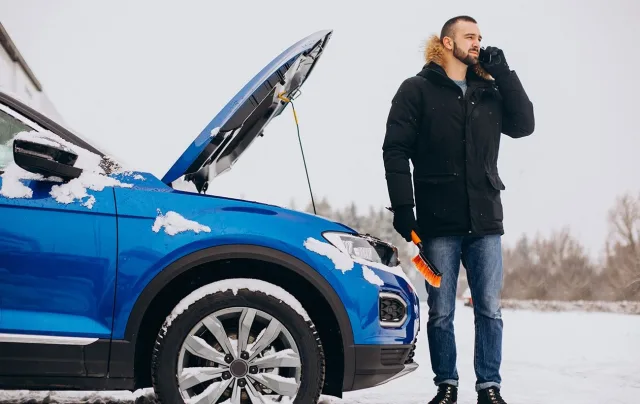
Зима для автомобиля - это серьёзное испытание. Низкие температуры, снег, лёд и соль на дорогах могут вызвать проблемы с двигателем, аккумулятором, тормозами и кузовом. Чтобы ваш автомобиль служил исправно, важно заранее знать, как подготовить автомобиль к зиме, какие проверки провести и на что обратить внимание.
1. Проверка аккумулятора
Холод снижает ёмкость батареи, из-за чего машина может не завестись. Чтобы подготовить авто к зиме:
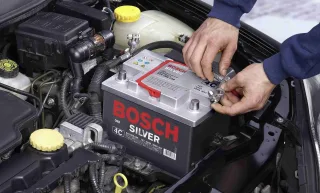
Проверьте напряжение аккумулятора мультиметром. Оно должно быть не ниже 12,4 В при выключенном двигателе.
Очистите клеммы от грязи и окислов, чтобы обеспечить хороший контакт.
Если батарея старая (более 3-5 лет) или слабо держит заряд - лучше заменить.
Аккумулятор - одна из основных причин, почему зимой авто не заводится, поэтому его проверка обязательна.
2. Замена масла и жидкостей
Правильное масло и антифриз критически важны для работы двигателя в холод.
Используйте зимнее масло с подходящей вязкостью (указано в инструкции к автомобилю).
Проверьте уровень и состояние тормозной жидкости, жидкости омывателя, охлаждающей жидкости.
Замените антифриз, если он старый или имеет примеси, чтобы предотвратить замерзание системы охлаждения.
Это поможет двигателю работать без перегрева и замерзания, а тормозам сохранять эффективность.
3. Проверка тормозной системы
Тормоза должны быть максимально надёжными зимой:
Проверьте тормозные колодки и диски на износ.
Убедитесь, что тормозная жидкость свежая и без воздуха в системе.
Проверьте стояночный тормоз - он должен удерживать авто даже на льду.
Эффективные тормоза - залог безопасности на скользкой дороге.
4. Подготовка шин
Шины - ключ к управляемости зимой. Чтобы подготовить автомобиль к зиме:
Замените летнюю резину на зимнюю, с мягкой резиной и протектором, адаптированным для снега и льда.
Проверьте давление в шинах: на холоде оно падает на 0,2-0,3 атм.
Если резина изношена менее чем на 4 мм - лучше заменить её полностью.
Правильные шины снижают риск заноса и повышают сцепление с дорогой.
5. Проверка света и электроники
Зимой дни короткие, а видимость ухудшается из-за снега и тумана. Проверьте:
Фары и стоп-сигналы - они должны быть чистыми и яркими.
Работу дворников и омывателя - замените щётки, используйте зимнюю жидкость.
Сигналы поворота и аварийную сигнализацию.
Эта проверка помогает оставаться заметным на дороге и управлять автомобилем безопасно.
6. Подготовка кузова и салона
Чтобы минимизировать последствия зимней эксплуатации:
Обработайте кузов антикоррозийным средством, особенно днище и арки.
Проверьте уплотнители дверей и обработайте их силиконовым спреем - двери не примерзнут.
Замените салонный фильтр, чтобы печка работала эффективно.
Держите в авто зимний набор: щётку для снега, скребок для льда, тёплое одеяло, фонарик и аварийный знак.
Подготовленный салон и кузов помогут чувствовать себя комфортно и безопасно.
7. Проверка отопления и системы охлаждения
Отопление и обдув стекол должны работать исправно:
Проверьте работу печки и обдува, особенно заднего стекла.
Убедитесь, что антифриз циркулирует правильно и не замерзнет.
Холодный двигатель зимой работает хуже, поэтому важно, чтобы тепло в салоне поступало быстро.
8. Итоги: что важно помнить
Чтобы ваш автомобиль успешно прошёл зимний сезон, обязательно:
Проверить аккумулятор и заряд.
Заменить масло и антифриз.
Контролировать тормоза и тормозную жидкость.
Установить зимние шины и проверить давление.
Проверить свет, дворники и электронику.
Обработать кузов и уплотнители, подготовить салон.
Проверить отопление и систему охлаждения.
Следуя этим шагам, вы будете уверены, что ваш авто готов к зиме, а риск поломок и аварий минимален.