Автоматическая коробка передач (АКПП) - один из самых сложных и дорогостоящих узлов автомобиля. Для её нормальной работы важна чистота трансмиссионной жидкости, а значит - исправное состояние фильтра. Но многие водители не знают, как понять что забит фильтр АКПП и какие признаки указывают на необходимость его замены.
Зачем нужен фильтр АКПП
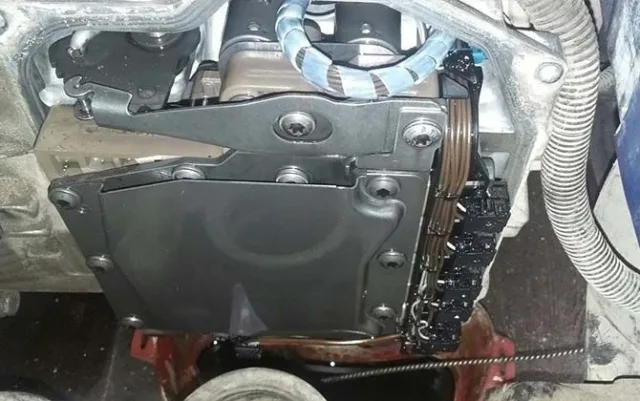
Фильтр выполняет защитную функцию: он задерживает продукты износа фрикционов, металлическую стружку и грязь, попадающую в масло. Если фильтр забит, циркуляция жидкости нарушается, давление в системе падает, что напрямую отражается на работе коробки. Игнорировать эти признаки опасно - можно довести АКПП до капитального ремонта.
Как понять что забит фильтр АКПП
Существует несколько симптомов, которые позволяют определить неисправность:
Рывки при переключении передач. Когда фильтр засорен, давление масла в АКПП нестабильно, поэтому переключения сопровождаются толчками.
Запоздалое включение передач. Автомобиль может «думать» дольше обычного, особенно при переходе с «P» или «N» на «D» или «R».
Пробуксовка. Машина набирает обороты, но не разгоняется так, как должна - это говорит о недостатке давления из-за забитого фильтра.
Посторонние шумы. Гул или свист в районе коробки часто сигнализирует о проблемах с циркуляцией жидкости.
Перегрев АКПП. Масло хуже циркулирует и перестает охлаждать детали, что приводит к повышению температуры.
Эти признаки - главный ответ на вопрос, как понять что забит фильтр АКПП.
Как часто нужно менять фильтр АКПП
Здесь многое зависит от условий эксплуатации и модели автомобиля. В среднем производители рекомендуют замену фильтра каждые 40-60 тысяч километров вместе с заменой масла. Но если автомобиль эксплуатируется в тяжелых условиях - частые пробки, агрессивная езда, буксировка прицепа - менять фильтр АКПП стоит чаще. Таким образом, вопрос «как часто нужно менять фильтр АКПП» нельзя оставить без внимания: регулярное обслуживание продлевает срок службы коробки и предотвращает дорогостоящий ремонт.
Когда менять фильтр АКПП
Отвечая на вопрос «когда менять фильтр АКПП», можно выделить несколько ситуаций:
при каждой плановой замене масла в коробке;
при покупке автомобиля с пробегом, если неизвестно, когда фильтр меняли;
при первых признаках забитого фильтра - рывках, задержках переключений, пробуксовке.
Замена фильтра - относительно недорогая процедура по сравнению с ремонтом АКПП. Лучше выполнить её заранее, чем ждать серьезных поломок.
Итог
Теперь вы знаете, как понять что забит фильтр АКПП. Основные признаки - рывки, задержка включения передач, перегрев и пробуксовка. Чтобы не доводить коробку до аварийного состояния, важно знать, как часто нужно менять фильтр АКПП. Оптимально делать это каждые 40-60 тысяч километров, а также в случаях, когда проявляются первые симптомы неисправности. Регулярное обслуживание АКПП - это гарантия её долговечной работы и уверенности на дороге.
Advertising
Comments
No comments yet. Say the first word.
Write a comment
No sign-up needed - just your name.
Write