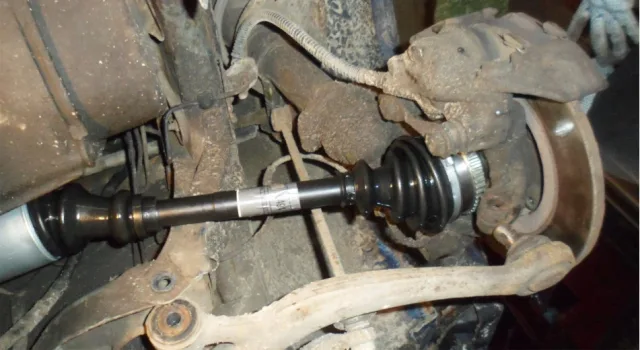
Полуось - это важный элемент трансмиссии, который отвечает за передачу крутящего момента от коробки передач или дифференциала на колёса. Если этот узел выходит из строя, автомобиль может начать вибрировать, терять устойчивость или вовсе перестать двигаться. Поэтому многим водителям важно знать, как проверить полуось и какие существуют способы диагностики.
Зачем проверять полуось
Со временем полуось и её шарниры (ШРУСы) изнашиваются. В результате появляются биения, люфты, стуки и течь смазки. Игнорировать такие признаки нельзя, ведь при полном разрушении полуоси движение станет невозможным. Особенно важно знать, как проверить полуось на биение, так как именно оно чаще всего вызывает вибрацию автомобиля на скорости.
Как проверить полуось: основные способы
Существует несколько проверенных методов диагностики, которые можно выполнить как в сервисе, так и своими руками.
1. Проверка на люфт
Один из простых способов - поднять автомобиль на домкрате и пошатать колесо за ступицу. Если чувствуются удары или люфт, это может указывать на износ полуоси или её шарниров.
2. Проверка на биение
Чтобы понять, как проверить полуось на биение, машину устанавливают на подъёмник или эстакаду. Двигатель запускают, включают передачу и дают колёсам вращаться в воздухе. Если полуось имеет кривизну, будут заметны биения, а кузов может отдавать вибрацией.
3. Проверка пыльников и смазки
Часто неисправности начинаются с разрыва пыльника. Если на полуоси видна смазка или повреждён резиновый чехол, значит внутрь уже могла попасть грязь и вода, что ускоряет износ шарнира.
4. Проверка в движении
Ещё один способ - тест на дороге. Если при разгоне или поворотах слышится хруст, а при движении на скорости появляется вибрация, это верный признак того, что полуось или ШРУС нуждаются в ремонте.
Как проверить полуось на ВАЗ 2106
Для владельцев классических моделей важно знать, как проверить полуось на ВАЗ 2106.
Машину устанавливают на яму или подъёмник.
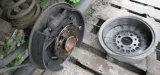
Снимают заднее колесо и барабан.
Проверяют люфт полуоси, пошатывая её в сторону и на вращение.
Осматривают сальники и посадочные места - течь масла часто указывает на неисправность.
Если полуось имеет деформацию или сильный люфт, её необходимо заменить.
Такой способ диагностики подойдёт и для других заднеприводных автомобилей, например ВАЗ 2107.
Признаки неисправности полуоси
Понимая, как проверить полуось, стоит знать и основные симптомы её поломки:
вибрация при разгоне;
хруст при повороте руля;
стук или щелчки при движении;
люфт при проверке вручную;
утечка масла из области полуоси.
Заключение
Теперь вы знаете, как проверить полуось в машине и какие способы диагностики используются чаще всего. Проверку можно выполнить на люфт, на биение или во время движения. Для автомобилей с задним приводом, например ВАЗ 2106, диагностика проводится через разбор заднего колеса и осмотр узла. Своевременная проверка позволит избежать серьёзных поломок и сохранить безопасность автомобиля.