Каждому автовладельцу важно знать, куда заливать моторное масло в автомобиль, особенно при самостоятельном обслуживании машины. Правильное выполнение этой процедуры - залог долгой и стабильной работы двигателя. Моторное масло выполняет несколько критически важных функций: смазывает трущиеся детали, отводит тепло, предотвращает коррозию и уменьшает износ. Именно поэтому важно не только выбрать подходящее масло, но и знать, куда его заливать и как это правильно делать.
Где находится заливная горловина
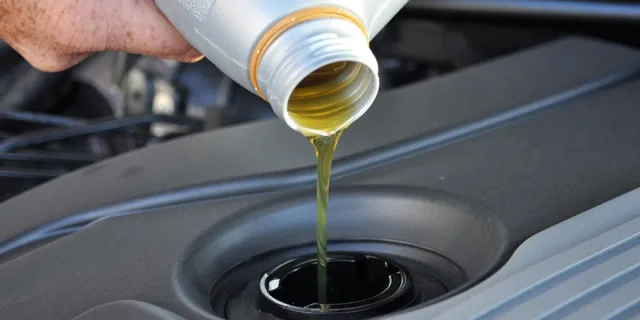
Чтобы понять, куда заливать моторное масло, откройте капот автомобиля. Практически у всех автомобилей заливная горловина расположена прямо на крышке клапанной крышки двигателя. Обычно она закрыта пластиковой крышкой, на которой нанесён значок маслёнки или надпись OIL. На большинстве двигателей горловина находится сверху двигателя, ближе к передней части, чтобы обеспечить удобный доступ. В некоторых случаях крышка может быть слегка сбоку или под декоративной пластиковой панелью, которую легко снять.
Как заливать моторное масло в автомобиле
Перед тем как начать, убедитесь, что двигатель остыл, автомобиль стоит на ровной поверхности, а уровень масла необходимо действительно пополнить. Проверьте это по щупу уровня масла. Теперь пошагово:
Откройте капот и найдите, куда заливать моторное масло в автомобиль - это заливная горловина.
Открутите крышку. При необходимости воспользуйтесь воронкой, чтобы не пролить масло.
Аккуратно влейте небольшое количество масла (0,5-1 литр), затем подождите 2-3 минуты.
Проверьте уровень масла щупом. Если его недостаточно, долейте ещё.
Не превышайте отметку "MAX", избыток масла вреден двигателю.
После завершения закрутите крышку горловины, убедившись, что она плотно закрыта.
Частые ошибки при доливке масла
Когда автовладелец не знает, куда заливать моторное масло, он может допустить типичные ошибки:
Заливка масла в отверстие щупа - щуп только для проверки, не для заливки.
Использование неподходящего масла - всегда ориентируйтесь на рекомендации завода-изготовителя.
Перелив масла - избыток масла может вызвать проблемы с сальниками и даже "задушить" двигатель.
Важно не только знать, куда в автомобиле заливать моторное масло, но и следить за уровнем регулярно, особенно перед дальними поездками.
Advertising
Comments
No comments yet. Say the first word.
Write a comment
No sign-up needed - just your name.
Write