Как покрасить автомобиль своими руками: пошаговое руководство
Anna Tkach
AutoPortal editorial team
345 views
2 min read
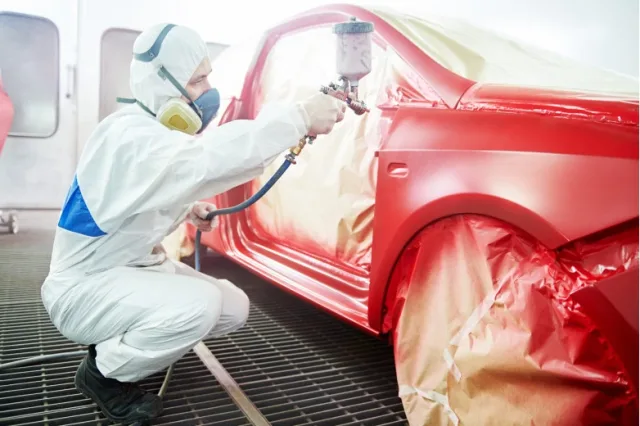
Покраска автомобиля собственноручно - задача реальная при ответственном подходе. Мы разберём, как подготовить и покрасить автомобиль из баллончика, в холодном гараже, включая варианты с металликом. Материал детально и логично выстроен, ключевые запросы встречаются естественно, без переспама.
1. Подготовка поверхности и инструментов
Начинаем с того, как подготовить и покрасить автомобиль. Поверхность необходимо тщательно вымыть, обезжирить, убрать старую краску (шлифовкой или специальными средствами). Ржавчину нужно удалить, кромки зашпатлевать, затем загрунтовать. Использовать грунтовку по металлу, рекомендованную производителем. После высыхания - лёгкая шлифовка наждачкой для ровности. Готовим баллончики: выбираем тот тип краски, который подходит к металлику или обычной эмали, соблюдая температуру, влажность и технику нанесения.
2. Как правильно покрасить автомобиль из баллончика
Правильная покраска из баллончика начинается с тестового распыления на небольшом участке. Если позволяете условия, наклонно распыляйте баллон на расстоянии 25-30?см, короткими касательными движениями. Сначала лёгкий тонкий слой. После просушки - ещё слои до полного покрытия. Между слоями - паузы по инструкции, обычно 10-15 минут. Не надо наносить толстый слой сразу, чтобы избежать подтёков и неровностей.
3. Как покрасить автомобиль в домашних условиях и в холодном гараже
Если вы работаете дома, особенно в холодном гараже, важно подготовить правильные условия. Металлические и пластиковые детали должны быть теплыми: используйте обогреватели или теплые коврики. Температура должна быть не ниже 10?°C для адекватной сушки и адгезии. В холодном гараже краска может ложиться неравномерно, сохнуть медленно, что повышает риск подтёков или плохой адгезии. Поэтому выдержите температуру хотя бы 15?°C. Если работы проходят в межсезонье, подогрейте помещение или перенесите автомобиль в более тёплую зону. Как покрасить автомобиль металликом - это сочетание охлаждённого базового слоя, затем блестящей прозрачной краски - всё при стабильной температуре.
4. Как самому покрасить автомобиль металликом
Покраска металликом требует особого подхода. Сначала базовый цвет - часто белый или серый. После высыхания - тонкий слой металликового эффекта: держим баллон строго вертикально, распыление равномерное. Следом - лакировка для защиты эффекта и придания глубины. Лаки лучше наносить также из баллончика, соблюдая рекомендованную технологию: слегка тонкими слоями, выдержка между слоями. Важно равномерно распределить блёстки металлика, чтобы не было разводов.
5. Финальные штрихи и уход
После полного высыхания - полировка (если поверхность слегка шершавая). Используйте мелкую абразивную пасту, полироль и чистую ткань. Это помогает равномерно распределить краску и убрать микронеровности, особенно при работе в холодном гараже. Затем - защитное воскование. Это придаёт блеск и дополнительную защиту от грязи.
Advertising
Comments
No comments yet. Say the first word.
Write a comment
No sign-up needed - just your name.
Write