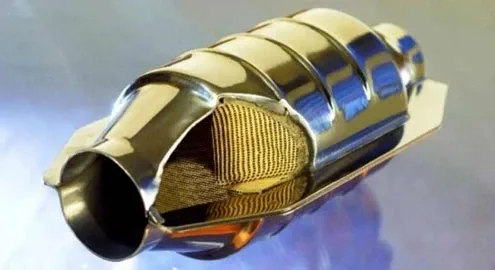
Система для отведения выхлопных газов несет ответственность за то, чтобы отработанные газы в едином потоке, быстро и без утечек выходили из выхлопной трубы. Выхлопная система состоит из нескольких улов, один из которых — катализатор. От того, насколько исправно работает каталитический нейтрализатор, зависит то, в каком виду будут попадать в окружающую среду выхлопные газы.
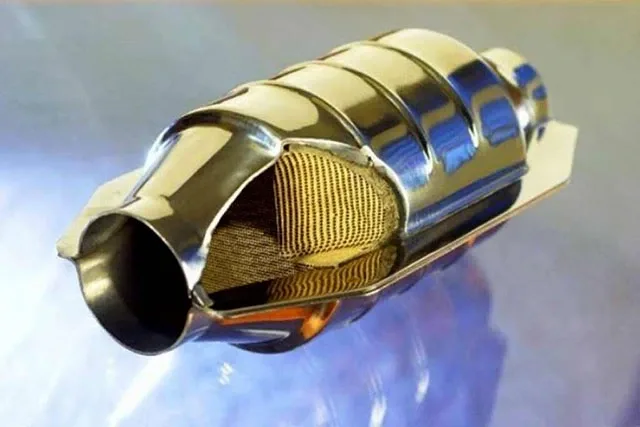
Когда катализатор засоряется и выходит из строя, это создает неудобство как для управления, так и для самого авто. Выхлопная система больше не может выводить газы какими-либо другими методами. Итог — газы выходят только частично, очищаются недостаточно, возрастает давление между мотором и пробкой. К тому же в системе стоят специальные датчики, которые при возникновении такой ситуации, определяют ее, как появление поломки и понижают мощность двигателя.
Катализатор может выйти из строя по различным причинам: горючее невысокого качества, неисправности системы зажигания, механические повреждения, которые приводят к разрушению сот катализатора. Но, наиболее часто узел ломается и не выполняет свои функции по причине естественного износа, который происходит из-за загрязнения полостей сот.
В любом случае, независимо от причины неисправности, катализатор придется удалить полностью или снять, чтобы установить новый.
Как транспортное средство будет вести себя без катализатора?
Полное удаление узла и адаптация автомобиля к такому состоянию за счет перепрошивки ЭБУ, вредит атмосфере. Но в то же время, удаление данного узла, помогает увеличить мощность двигателя авто, снизит расход горючего, на панели управления не будут появляться регулярные сообщения о неисправностях.
Если забившийся или оплавившийся катализатор не удалить, отработанный газ не сможет в нормальном режиме выйти и вернется в камеру сгорания, что негативно повлияет на работу двигателя и всей выхлопной системы.
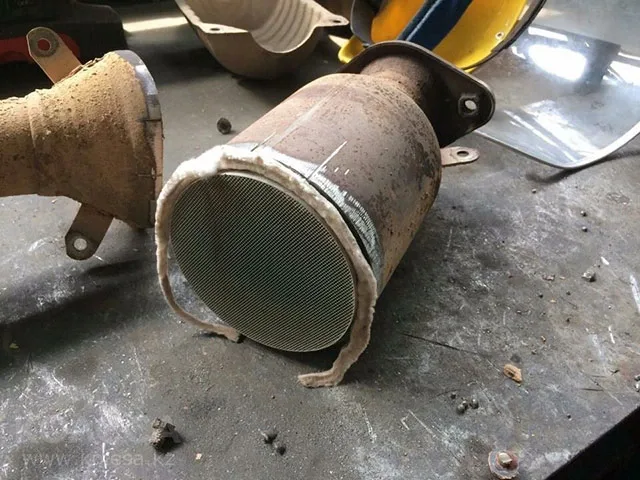
Положительные стороны полного удаления:
- улучшение динамических характеристик авто;
- снижение расхода горючего;
- двигатель становится менее восприимчивым к качеству горючего;
- исключается риск проникновения керамической пыли в силовую установку.
- отрицательные последствия полного удаления:
- вред экологии;
- проблемы с прохождением ТО в странах ЕС;
- неприятный запах выхлопов;
- громкие звуки выхлопной системы (если катализатор удален с нарушениями).
Взвесив все плюсы и минусы, можно прийти к решению, что предпринять после того, как засорился катализатор: удалить навсегда или поменять на новый.
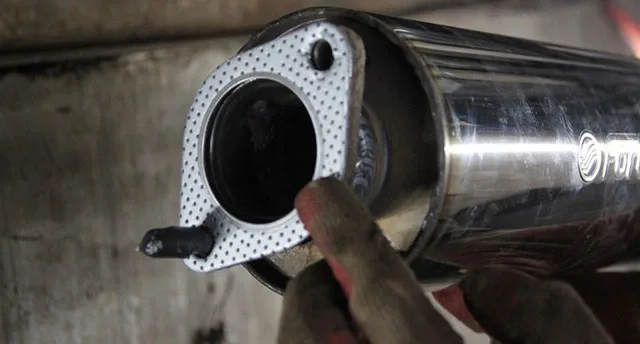
Каким бы не было решение, в любом случае, придётся подумать, куда сдать уже нерабочий катализатор. Решить этот вопрос несложно, обратившись в компании, которые занимаются скупкой уже отработавших свой срок запчастей, например сюда https://autocatalystmarket.com/ua/ru. Скупщики не только избавляют автовладельца от хранения нерабочей детали, а и предлагают денежное вознаграждение за нее, поскольку соты катализатора содержат в своем составе драгоценные вещества.