

To understand the difference between summer and winter tires, it is enough to recall school chemistry lessons — there are many examples of how materials change their properties under the influence of temperature. The rubber compound from which tires are made also behaves differently depending on the conditions in which it is used.
Summer tires have a stiffer construction both outside and inside. This is necessary so that the rubber does not melt upon constant contact with heated asphalt. High temperature only softens such a compound, improving grip on the road. The tread pattern of summer tires is made with longitudinal grooves that help quickly drain water in the rain. Most of these tires are designed to operate in the range from +4°C to +40°C.
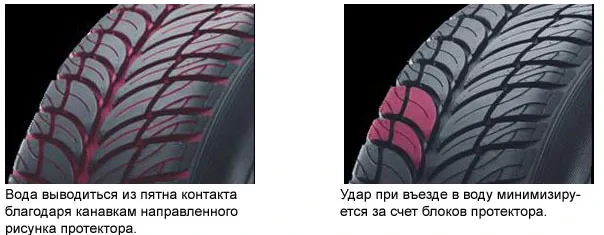
Winter tires are made from frost-resistant elastic compounds that do not harden in the cold. Such tires are intended for difficult road conditions, so their tread has a deeper profile, providing reliable grip on the surface. Winter tires are recommended for use in the temperature range from +4°C to -40°C.
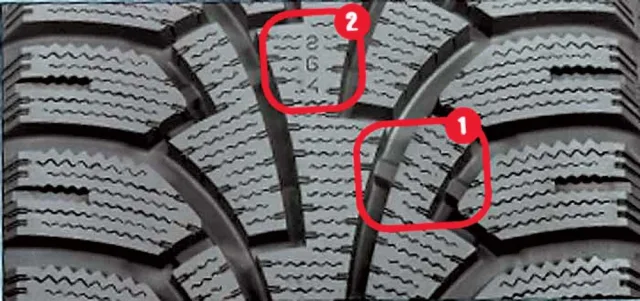
As for the desire to purchase universal tires, such tires are only an attempt to combine the properties of both types in one product. Some manufacturers periodically conduct such experiments, focusing on buyers who want to save on seasonal tire replacement. However, experts cannot yet name a single model of all-season tires that would fully meet safety requirements throughout the year. The only thing that can be advised to those who want to save money is that all-season tires can be justifiably used only in regions with a mild climate, where winter temperatures do not drop below -5°C.
Material provided by unlimited-group.com.ua