The list is quite extensive: it features the best of the best in 10 classes. In total - 90 models.
When conducting the research, our Bosnian colleagues from the publication automobili.ba adhered to the following mandatory conditions: the car was purchased at a dealership, the service life is three years, and the annual mileage is 20,000 km. For calculations, the average cost of cars in popular trim levels and with identical engine versions was taken.
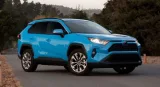
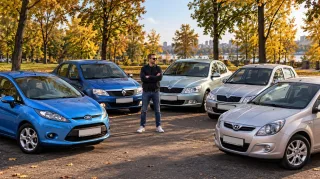
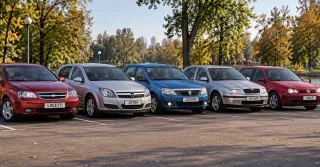
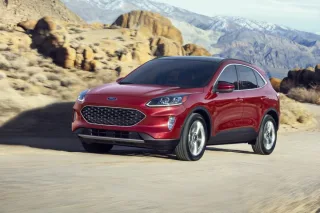
As a result, the following results were obtained (the loss of value after three years is indicated in parentheses; models are listed in descending order; each segment is illustrated by the model that showed the smallest drop in price):
The most liquid cars by class
A-segment
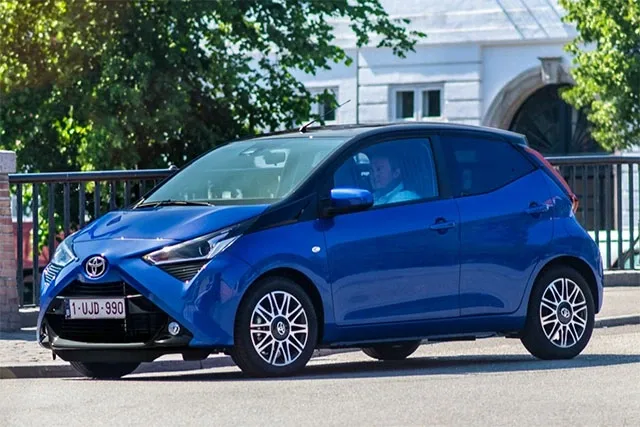
Toyota Aygo (-40.6%), Fiat 500 (-41.5%), Volkswagen Up! (-42%), Kia Picanto (-42.5%), Hyundai i10 (-43%), Fiat Panda (-43.7%), Citroen C1 (-44%).
B-segment
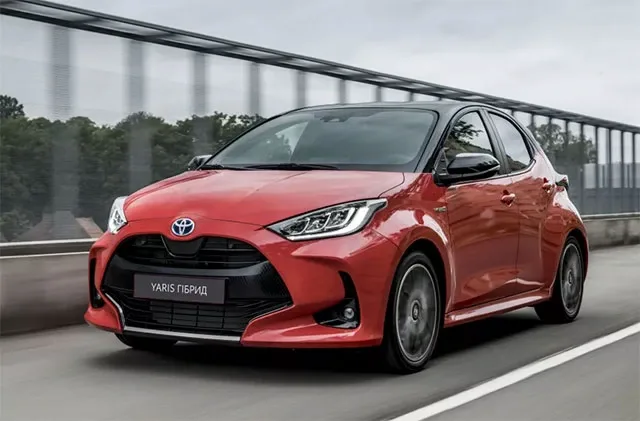
Toyota Yaris (-37.4%), Dacia/Renault Sandero (-38%) Skoda Fabia (-38.2%), Volkswagen Polo (-38.3%), Hyundai i20 (-38.4%), Kia Rio (-38.5%), Opel Corsa (-38.7%), Renault Clio (-38.8%), Suzuki Swift (-39.4%), Ford Fiesta (-39.6%).
C-segment
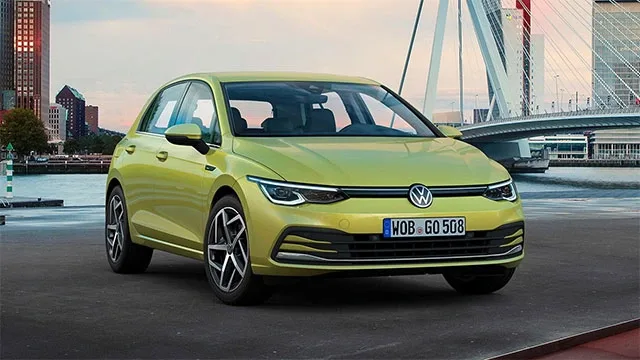
Volkswagen Golf (-34.9%), Škoda Octavia (-35.5%), Toyota Corolla (-35.7%), Hyundai i30 (-37%), Peugeot 308 (-37.3%), Kia Ceed (-37.5%), Opel Astra (-37.6%), Mazda 3 (-37.9%), Renault Megane (-38%), Fiat Tipo (-38.2%).
D-segment
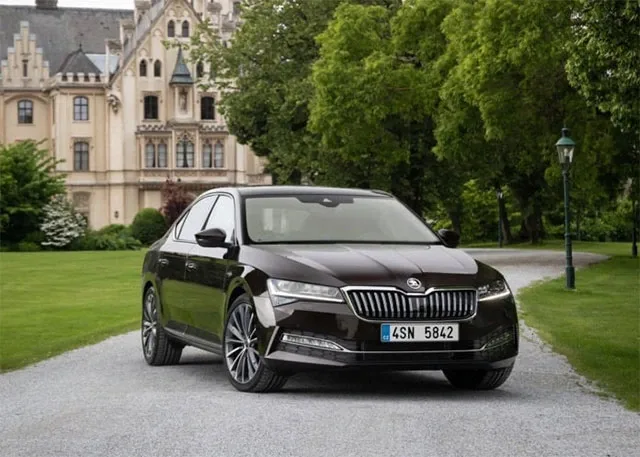
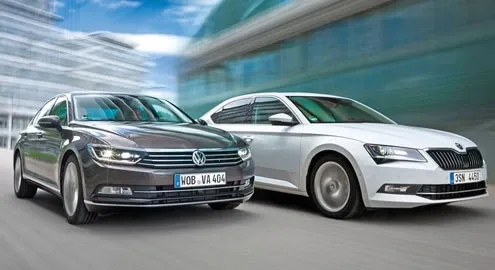
Skoda Superb (-38.4%), Volkswagen Passat (-39%), Audi A4 (-39.2%), Opel Insignia (-39.9%), Mazda 6 (-40.2%), Volvo S60 (-40.6%), Mercedes C-Class (-41.1%), BMW 3-Series (-41.4%), Ford Mondeo (-41.8%), Peugeot 508 (-41.8%).
Small crossovers
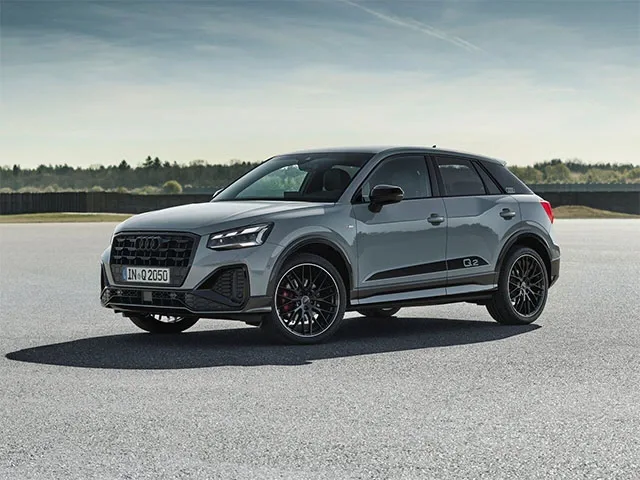
Audi Q2 (-31.3%), Toyota C-HR (-34.6%), Volkswagen T-Roc (-34.7%), Skoda Kamiq (-34.9%), Hyundai Kona (-35.1%), Ford Puma (-35.6%), Renault Captur (-35.8%), Mazda CX-3 (-36.1%), Kia Stonic (-36.8%), Suzuki Vitara (-37.8%).
Mid-size crossovers
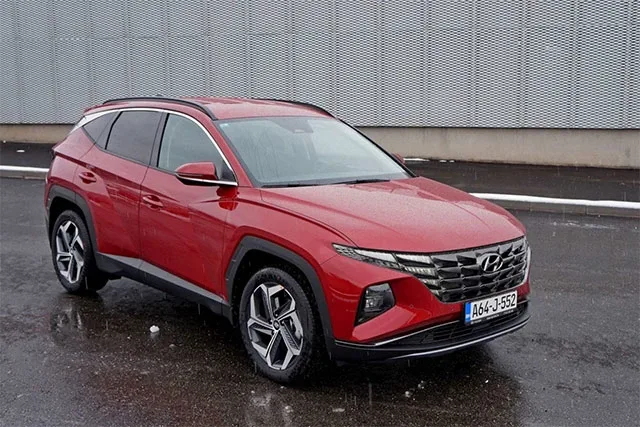
Hyundai Tucson (-32.6%), Škoda Karoq (-33%), VW Tiguan (-33.3%), Seat Ateca (-34.2%), Toyota RAV4 (-34.5%), Nissan Qashqai (-34.9%), Ford Kuga (-35.1%), Kia Sportage (-36.1%), Volvo XC40 (-36.8%), Dacia/Renault Duster (-37.2%).
Large crossovers
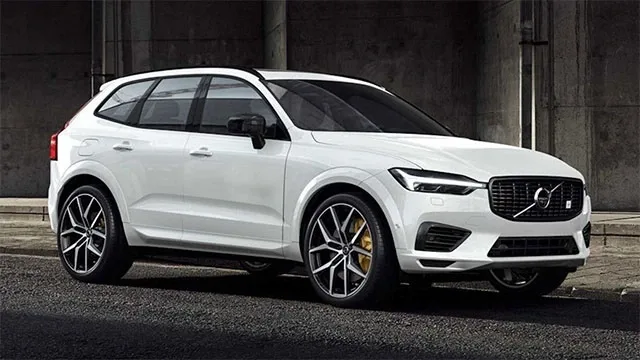
Volvo XC60 (-35.9%), Škoda Kodiaq (-36.2%), Audi Q5 (-37.3%), Hyundai Santa Fe (-40.5%), Nissan X-Trail (-41.2%).
Luxury crossovers
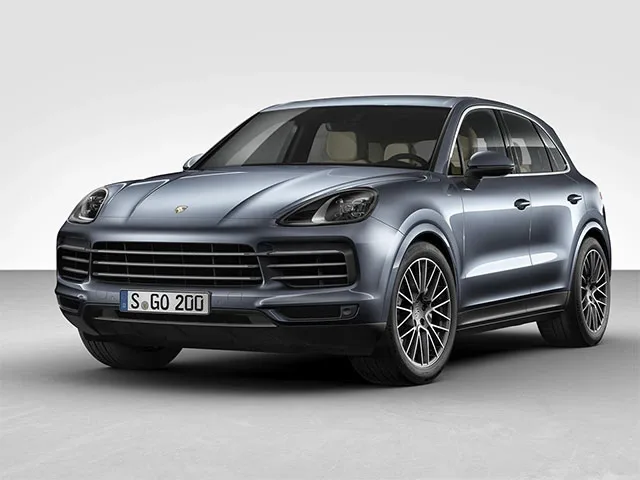
Porsche Cayenne (-35%), Mercedes G-Class (-35.1%), Toyota Land Cruiser (-37.3%), Volkswagen Touareg (-39%), BMW X5 (-39.7%), Audi Q8 (-40.3%), Mercedes GLE (-41.2%), Audi Q7 (-41.5%), Volvo XC90 (-42.2%).
E-segment
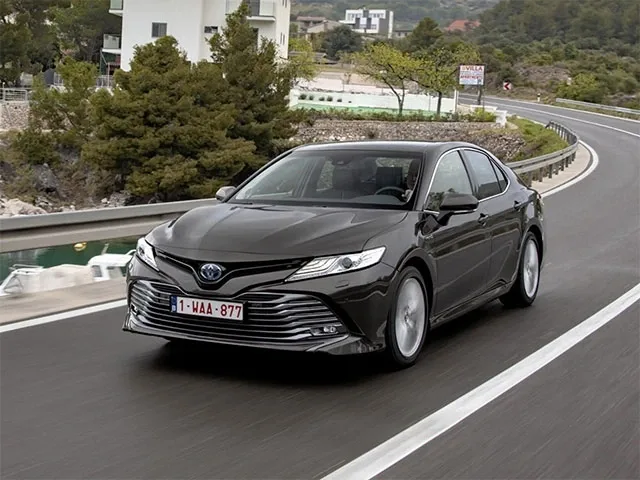
Toyota Camry (-37.8%), BMW 5-Series (-38.7%), Volvo S90 (-38.9%), Audi A6 (-39.2%), VW Arteon (-40%).
Luxury cars
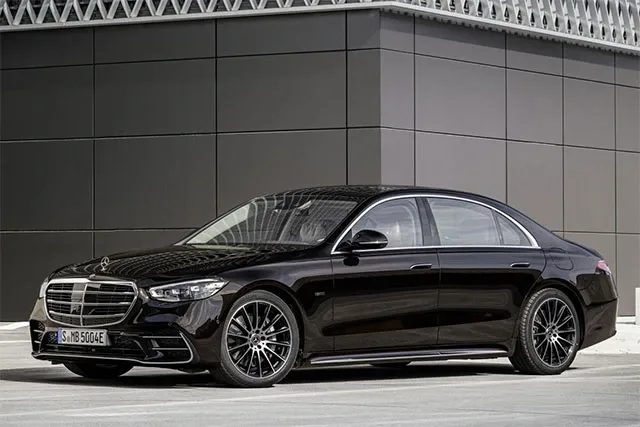
Mercedes S-Class (-41.7%), Porsche Panamera (-42.6%), Audi A8 (-44.5%), BMW 7-Series (-46.7%).
As you can see, the smallest drop in value is demonstrated by small and mid-size crossovers, while the largest is by luxury cars, which are represented by sedans and four-door coupes. Cars of all other segments hold up roughly at the same level with the average value.