Advertising
Mitsubishi Lancer: prices and specifications
6 generations Country of origin: Japan

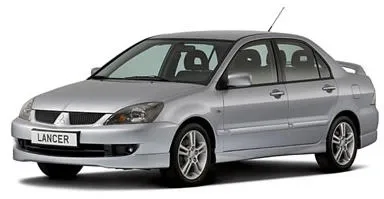
Mitsubishi Lancer is a family of C-class cars produced by Mitsubishi Motors. The first Lancer (A70) appeared in February 1973. In 1979, the third generation Lancer EX was introduced. The fourth generation officially debuted in 1982. In 1988, the sixth generation Lancer received a more streamlined body, stylistically close to the Galant model. The seventh generation was produced from 1991. In March 1995, the eighth generation Lancer debuted. The European premiere of the ninth generation took place in August 2003 at the Moscow Auto Show.
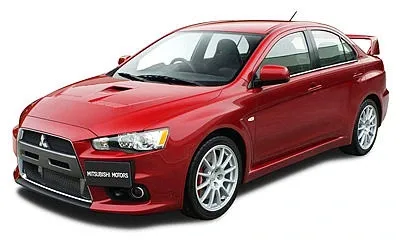
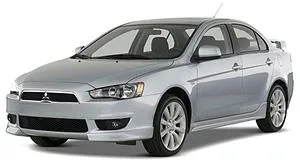
The Lancer X was officially unveiled in January 2007 at the Detroit auto show and went on sale the same year as a 2008 model. This model became part of a new family of Mitsubishi cars built on the global "Project Global" platform. The use of this platform made it possible to increase dimensions and interior space, as well as improve body rigidity, while maintaining the maneuverability inherent in the previous generation.
The tenth generation stood out for its sporty appearance, stylish interior, and a wide choice of trim levels. After the facelift, the Lancer X received a color on-board computer, a Bluetooth system with Russian voice control, as well as a Russified on-board computer interface. The front console was supplemented with glossy plastic inserts and new niches for small items. The basic configuration includes power mirrors and heating, air conditioning, power windows with anti-pinch function, heated front seats, MABS, EBD and BAS systems, two front airbags, a CD/MP3 player with AUX, USB and four speakers.
The safety package includes an SRS system with two airbags, passenger presence sensors, side airbags in the front seats, curtain airbags and a driver's knee airbag.
The engine lineup is represented by 16-valve 4-cylinder DOHC units with an aluminum block and MIVEC system. Two gasoline engines are available: 1.5 L with 109 hp and 2.0 L with 150 hp. The 1.5 L engine works with a 5-speed manual or a 4-speed INVECS-II automatic, while for the 2.0-liter engine a 5-speed manual or a 6-speed CVT with paddle shifters is offered. Drive is front.
History
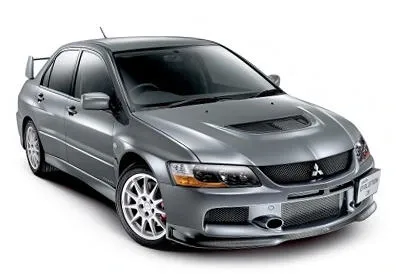
Mitsubishi Lancer is a series of sedans, hatchbacks and station wagons that Mitsubishi has been producing since 1973. The Evolution version was very popular among rally drivers and repeatedly won regional and world stages.
There are ten generations of the model in total:
- Mitsubishi Lancer 1 (1973-1976)
- Mitsubishi Lancer 2 (1976-1979)
- Mitsubishi Lancer 3 (1979-1982)
- Mitsubishi Lancer 4 (1982-1983)
- Mitsubishi Lancer 5 (1983-1988)
- Mitsubishi Lancer 6 (1988-1991)
- Mitsubishi Lancer 7 (1991-1996)
- Mitsubishi Lancer 8 (1996-2003)
- Mitsubishi Lancer 9 (2005-2008)
- Mitsubishi Lancer 10 (2007 — present)
Mitsubishi Lancer 1 (1973-1979)
The first Lancer was introduced in 1973. The model was developed as a popular car and occupied a niche between the Galant and the compact hatchback Minica. Initially, the car was rear-wheel drive and had up to 12 modifications. Buyers were offered a coupe, sedan and Station Wagon. The appearance was distinguished by swiftness. Safety was ensured by high body strength and a collapsible steering column.
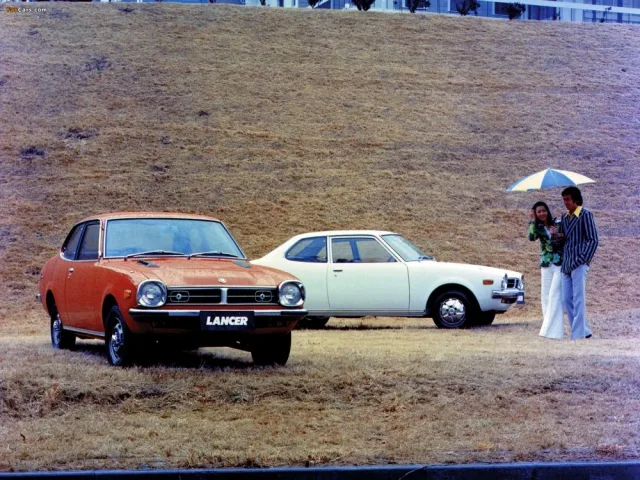
There was a sports version of the Lancer 1600 GSR, which won the African Safari Rally in 1974–1976. It was equipped with an engine with two carburetors and could cover 400 meters in 16.4 seconds.
In 1975, a three-door version of the Lancer Celeste with a new design appeared. It was produced with 1.4 L and 1.6 L engines, later a 2-liter version was added.
Mitsubishi Lancer 2 (1976-1979)
In 1976, a new Lancer was released — a modernized version of the previous generation. The car became more angular and was offered only with a four-door body.
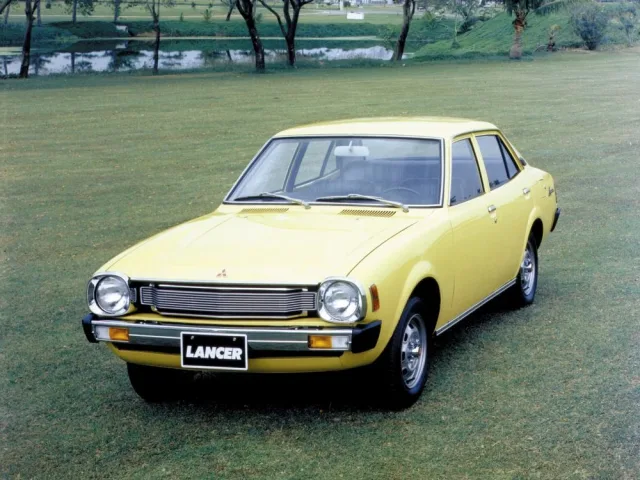
Changes included a different front end design and larger bumpers.
Mitsubishi Lancer 3 (1979-1982)
The third generation appeared in 1979. The design was developed by Aldo Sessana. A high level of comfort, quality interior trim and the presence of air conditioning were noted. Inside it became more spacious, and the rear suspension became four-link independent. Customers were offered 1.4 L and 1.6 L engines with balance shafts that reduce vibrations.
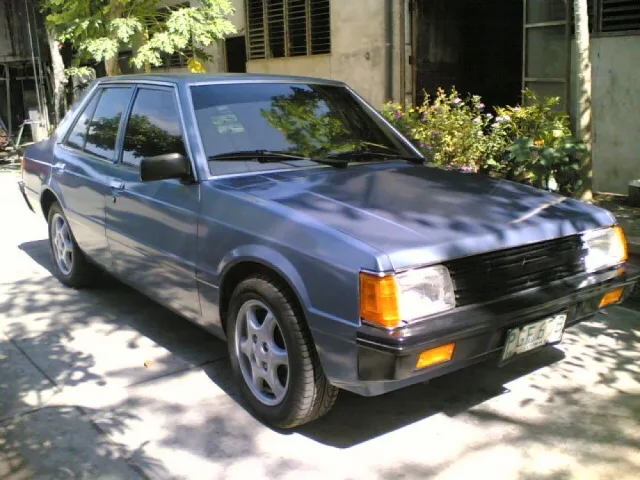
Since 1980, a modification with a 1.8 L engine appeared — naturally aspirated or turbocharged. The most affordable was a 1.2 L engine. There was also a 2.0 L version with 170 hp — the Lancer 2000 Turbo.
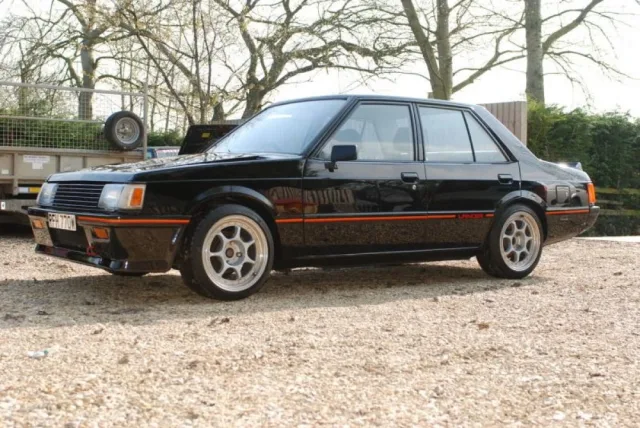
Rear-wheel drive was used until 1982.
Mitsubishi Lancer 4 (1982-1983)
In 1982, the Lancer Fiore was introduced — the first front-wheel drive car in the family. It was based on the Mitsubishi Mirage platform. The exterior was distinguished by smooth shapes and good aerodynamics.
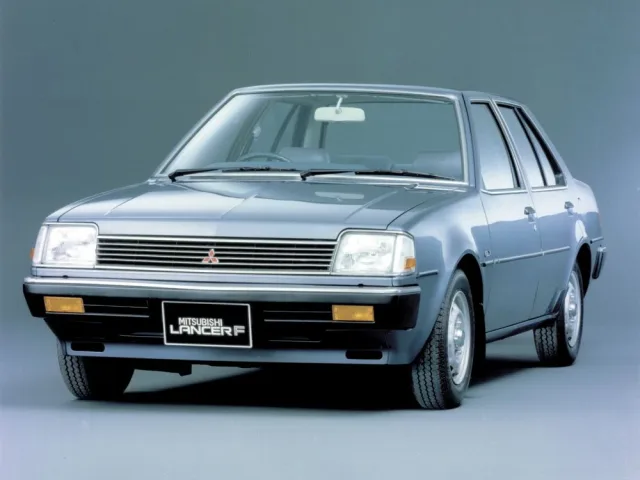
The car had a large glass area. Engines ranged from 1.2 L to 1.6 L. A turbocharged 1.4 L engine with 105 hp stood out separately. A three-speed automatic transmission was optionally offered.
Mitsubishi Lancer 5 (1983-1988)
The fifth generation appeared in 1983. It stood out with new fuel-injected engines and improved turbochargers. The most expensive version had a 1.6 L turbo engine with 120 hp. A 1.8 L diesel engine and a 1.5 L gasoline engine with the Modulated Displacement system appeared, which deactivated two cylinders and saved up to 10–20% of fuel.
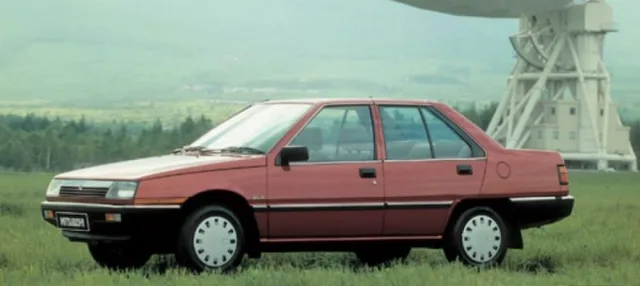
In 1985, a station wagon debuted, including with all-wheel drive. It was distinguished by spaciousness, comfort and smooth ride.
Mitsubishi Lancer 6 (1988-1991)
Since 1988, the sixth generation Lancer was produced. The car was offered in sedan and hatchback bodies.
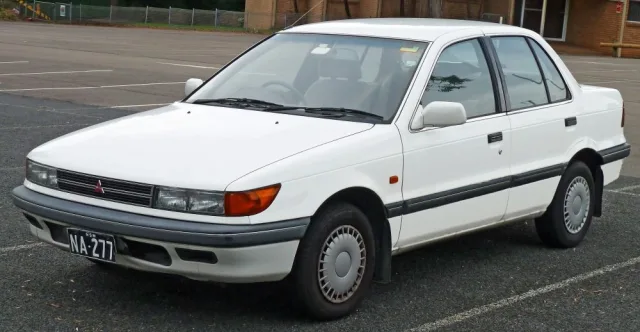
The station wagon continued to be produced in the fifth generation body. There was an all-wheel drive version.
Mitsubishi Lancer 7 (1991-1996)
The seventh generation was introduced in 1991 at the Tokyo Motor Show. The following year, a station wagon version appeared. For Japan, a two-door coupe was produced, which was called Lancer Coupe in other markets. In Europe, 1.3 L and 1.6 L gasoline engines were offered, as well as a 2.0 L diesel.
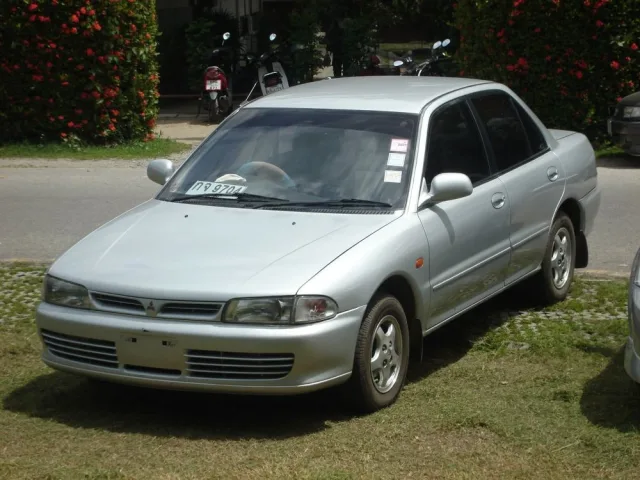
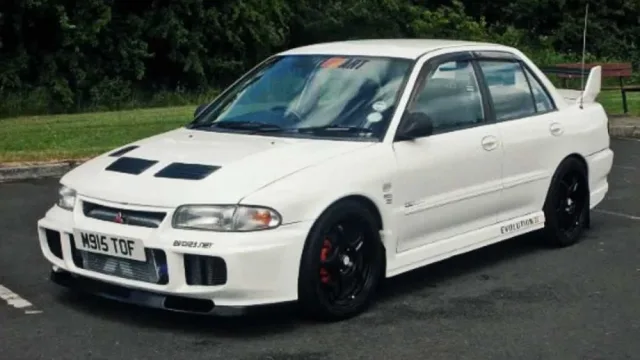
The engines were paired with Mitsubishi INVECS-4A/T automatic transmissions. For the first time, an Evolution modification appeared with a turbocharged 1.8 L engine producing 195 hp and all-wheel drive transmission.
Mitsubishi Lancer 8 (1996-2003)
The eighth generation debuted in the spring of 1995 with a changed appearance. Body — sedan only.
Mitsubishi Lancer 9 (2003-2009)
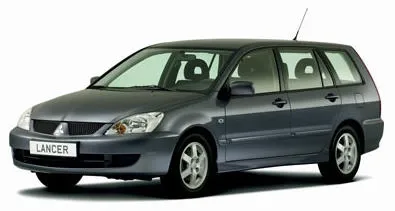
The ninth generation for Europe is a restyled version of the Japanese Cedia model, which appeared in 2003. The car was offered in sedan and station wagon bodies.
The Lancer IX became larger than its predecessor, which increased the interior volume. Legroom for front and rear passengers grew thanks to a base extended by 10 cm.
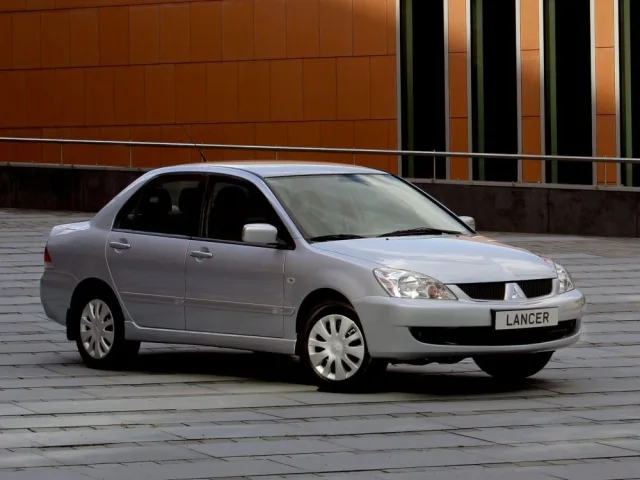
In the ninth generation, 1.3 L, 1.6 L and 2.0 L gasoline engines were offered. All of them are 16-valve and more economical.
The independent suspension allowed combining comfort and stability on roads with different surfaces.
Mitsubishi Lancer 10 (2007…)
The tenth generation appeared in 2007. The car was presented in January 2007 in Detroit. Specialists from Pininfarina worked on the sedan's exterior.
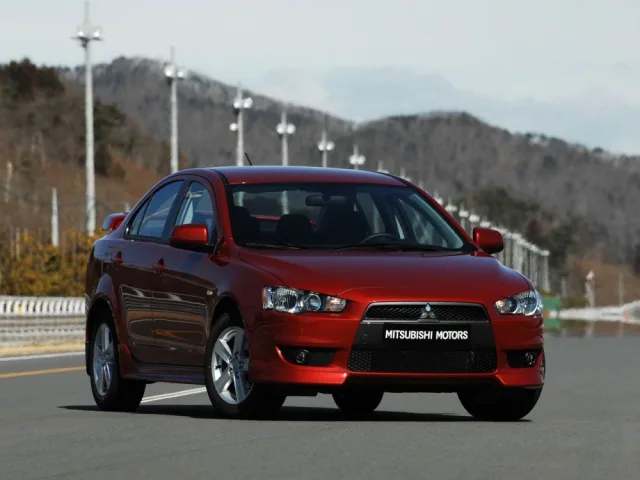
In Japan, the model was sold as the Mitsubishi Galant Fortis.
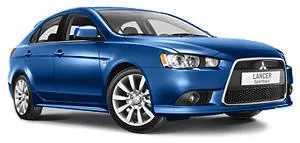
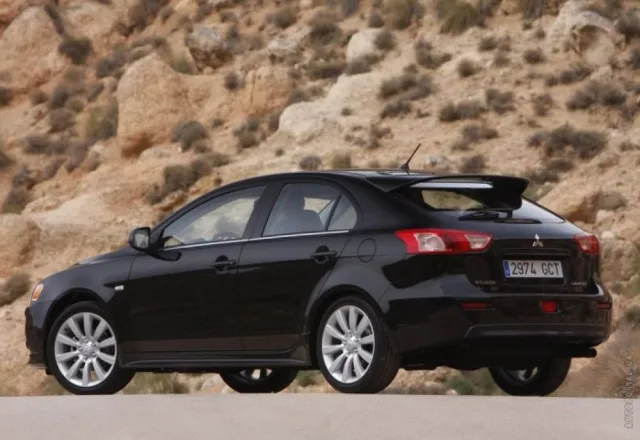
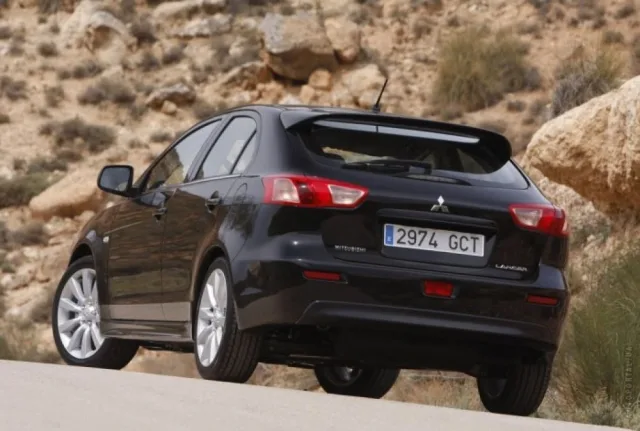
On November 15, 2008, the hatchback body returned, called Sportback.
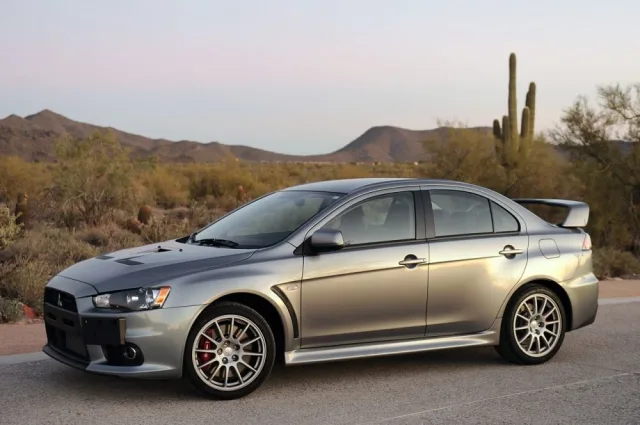
In the same 2008, the Lancer X Evolution was introduced, which retained its sporty character but became more suitable for everyday driving.
In 2011, the model was modernized.
Exterior
Compared to the ninth generation, the "ten" looks much more interesting. The car attracts with aggressiveness and a dynamic silhouette. Despite the fact that the car has been produced almost unchanged since 2007, it still looks modern.
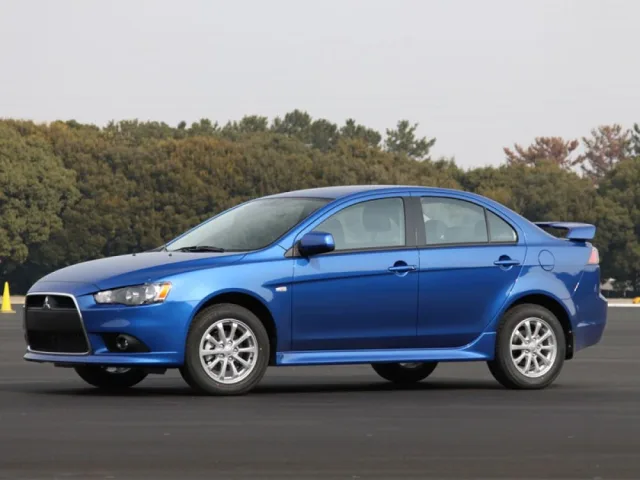
There is no external similarity with the ninth Lancer at all. The cars differ both externally and technically. The sedan is chosen for its sporty aura. Many tuning kits are produced for the model, allowing you to turn the car (at least externally) into a sports car.
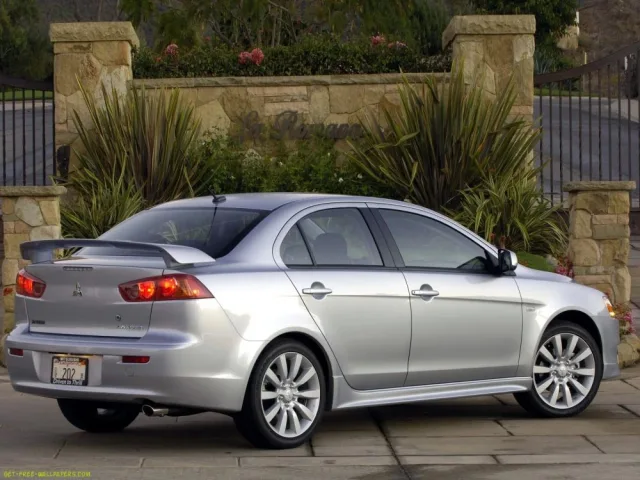
The hatchback differs from the sedan only in the rear part, which emphasizes its sportiness.
Interior
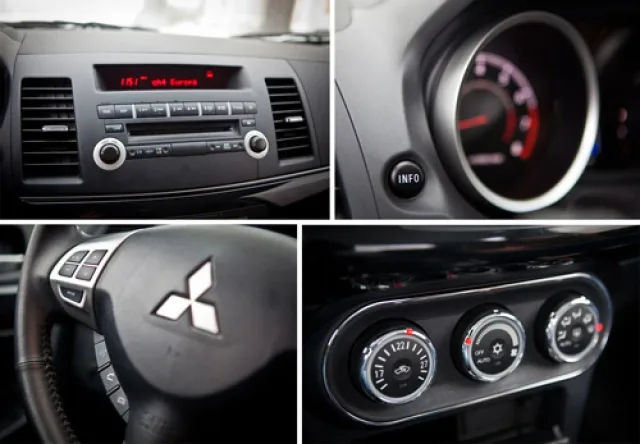
The interior visually and to the touch pleases with the quality of materials, although they are hard. The design of the front panel is focused on functionality and is liked by most customers. When designing, the main task was ergonomics, and for this indicator the car deserves high marks.
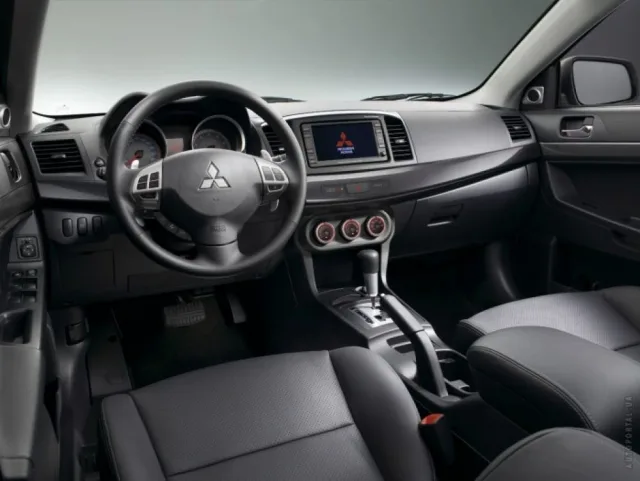
The front seats are comfortable, have a sporty profile and a large range of adjustments.
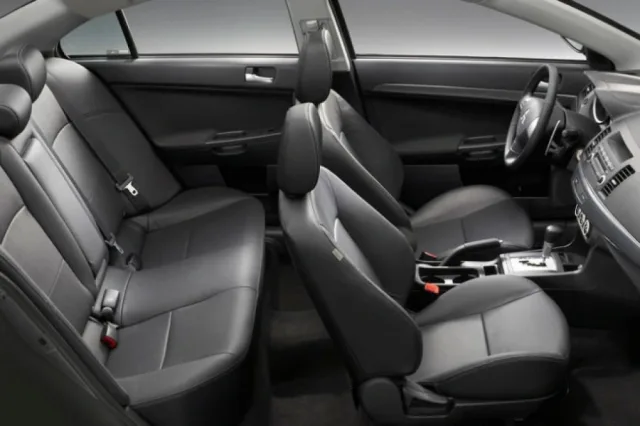
A person of any build will be able to find a comfortable position. Access to controls is almost ideal. The large number of buttons on the multimedia center requires getting used to.
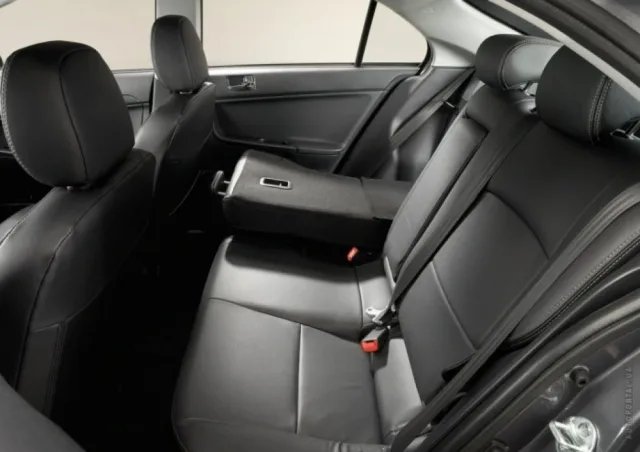
Rear passengers are unlikely to feel cramped, unless they are overweight.
The sound insulation of the cabin is not premium-class, but it is quite suitable for not too demanding buyers. Extraneous noises are almost not felt over the entire speed range.
Engine and transmission
On the Ukrainian market, the tenth generation Lancer was offered with three gasoline engines: 2.0 L MIVEC with 150 hp, 1.8 MIVEC with 140 hp and 1.6 L MIVEC with 117 hp. The most powerful engine worked with a manual or CVT. The middle one — only with a CVT, and the weakest — with a manual or a four-speed automatic transmission.
There was also a sports modification of the Mitsubishi Lancer Evolution with a highly boosted two-liter engine producing up to 300 hp. A few years later it was discontinued.
Safety
Japanese manufacturers always pay attention to safety. The Mitsubishi Lancer is no exception.
EURO NCAP crash tests showed high results: the car received the maximum five stars. For a frontal collision, 14.1 points out of 16 were obtained, for a side impact — 7.5 out of 8. Child safety was rated at 11.4 points out of 12.
Features
The Lancer handles almost exemplary. The car is obedient and predictable. With proper tires, it allows the driver more than classmates. However, with a 1.6 L engine, sporty driving is difficult, especially when fully loaded — there is not enough power. But the 1.8 L and 2.0 L versions are noticeably more agile.
Popularity in Ukraine
In 2008–2011, the Mitsubishi Lancer X was hugely popular. Over time, demand decreased due to the rise in price of Japanese cars associated with changes in the exchange rate. Nevertheless, on the secondary market, the Lancer X is still in demand, especially in the sedan body.
Our verdict
The Mitsubishi Lancer is a good car in all respects. It is spacious and practical. The choice of gearboxes and engines allows you to choose the right option. This is not a budget sedan, but not a business class either. Despite the solid age of the tenth model, it looks aggressive and modern, which many people like.