Что такое втулка стабилизатора
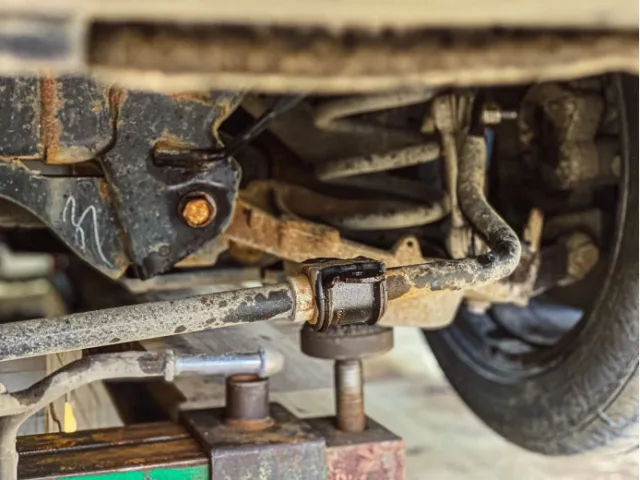
Втулка стабилизатора - это эластичный элемент, обычно изготовленный из резины или полиуретана, который служит для крепления стабилизатора поперечной устойчивости к кузову или элементам подвески автомобиля. Она обеспечивает упругую связь, позволяя стабилизатору свободно работать при движении машины по неровностям, но при этом гасит вибрации и шум. Проще говоря, втулка стабилизатора - это своего рода амортизатор между металлическим стержнем стабилизатора и кузовом. Благодаря ей уменьшаются крены кузова на поворотах и повышается устойчивость автомобиля на дороге.Где находится втулка стабилизатора
Местоположение втулки напрямую зависит от типа привода автомобиля.- В передней подвеске - втулки стабилизатора чаще всего расположены на поперечном стабилизаторе, который соединяет правое и левое колесо. Их можно найти под передней частью машины, между рычагами и кузовом.
- В задней подвеске - встречаются на автомобилях с независимой подвеской. Там втулки устанавливаются аналогично - на поперечной штанге стабилизатора, соединяющей задние колеса.
Зачем нужна втулка стабилизатора
Главная задача втулки - гашение вибраций и уменьшение люфта между стабилизатором и кузовом. Если объяснить просто, она:- Удерживает стабилизатор в правильном положении;
- Позволяет подвеске работать плавно и синхронно;
- Снижает уровень шума при движении;
- Обеспечивает устойчивость автомобиля при маневрах и поворотах.
Признаки износа втулок стабилизатора
Со временем резина или полиуретан изнашиваются, теряют эластичность и трескаются. Вот основные симптомы неисправных втулок:- характерные стуки в подвеске при езде по кочкам или неровностям;
- ухудшение управляемости, особенно на поворотах;
- ощущение «плавания» автомобиля на трассе;
- скрип при раскачивании машины.
Материалы втулок: резина или полиуретан
Резиновые втулки - стандартный вариант для большинства автомобилей. Они мягкие, хорошо гасят вибрации, но быстрее изнашиваются.Полиуретановые - более прочные и долговечные, но могут быть немного жестче, что иногда снижает комфорт езды.
Как заменить втулку стабилизатора
Процесс замены довольно прост, но требует аккуратности:- Поднять автомобиль и зафиксировать его на подставках;
- Найти стабилизатор и снять хомуты, удерживающие втулку;
- Извлечь старую втулку и установить новую, смазав внутреннюю часть силиконовой смазкой;
- Установить хомуты обратно и затянуть крепления.
Теперь вы знаете, втулка стабилизатора - что это, где находится и зачем нужна. Несмотря на скромные размеры, она играет ключевую роль в работе подвески автомобиля. Регулярная проверка состояния втулок поможет избежать неприятных стуков, сохранить управляемость и продлить срок службы подвески.