Почему хрустит ШРУС
Чаще всего хруст ШРУСа слышен при резком повороте руля (особенно на полном вывороте), при трогании с места или при разгоне. Это свидетельствует о износе внешнего шарнира. Реже шум вызывает внутренний ШРУС - его хруст может проявляться даже на прямой дороге.Причины хруста ШРУСа:
- Износ шариков и канавок внутри шарнира;
- Разрыв или повреждение пыльника;
- Попадание влаги, пыли, грязи внутрь;
- Недостаток или вытекание смазки;
- Длительная эксплуатация без профилактики.
Хрустит ШРУС - можно ли ездить дальше?
Краткий ответ: можно, но недолго.
Если ШРУС начал хрустеть, это значит, что его рабочая поверхность уже повреждена, и ресурс стремительно заканчивается. Хруст при повороте - это не просто звук. Это сигнал: узел изнашивается, и в любой момент он может выйти из строя окончательно.Возможные последствия:
- Поломка ШРУСа в дороге - автомобиль потеряет привод на одно колесо;
- Заклинивание шарнира, что может вызвать резкую потерю управления;
- Повреждение других элементов - ступицы, подвески, гранаты;
- Рывки и вибрации при езде;
- Полная остановка автомобиля в неподходящий момент.
Что делать, если хрустит ШРУС
1. Не откладывайте диагностику
Даже если хруст ещё не сильный - проверьте состояние пыльников и уровень смазки.2. Замените пыльник (если повреждён)
Иногда проблема кроется только в разорванном пыльнике. Если вовремя заменить, можно продлить срок службы ШРУСа.3. Оцените степень износа
Если шарнир уже хрустит на каждом повороте, особенно при разгоне - он требует замены.4. При замене - меняйте в паре
Если вышел из строя один ШРУС, второй скорее всего тоже на грани. Лучше заменить оба сразу.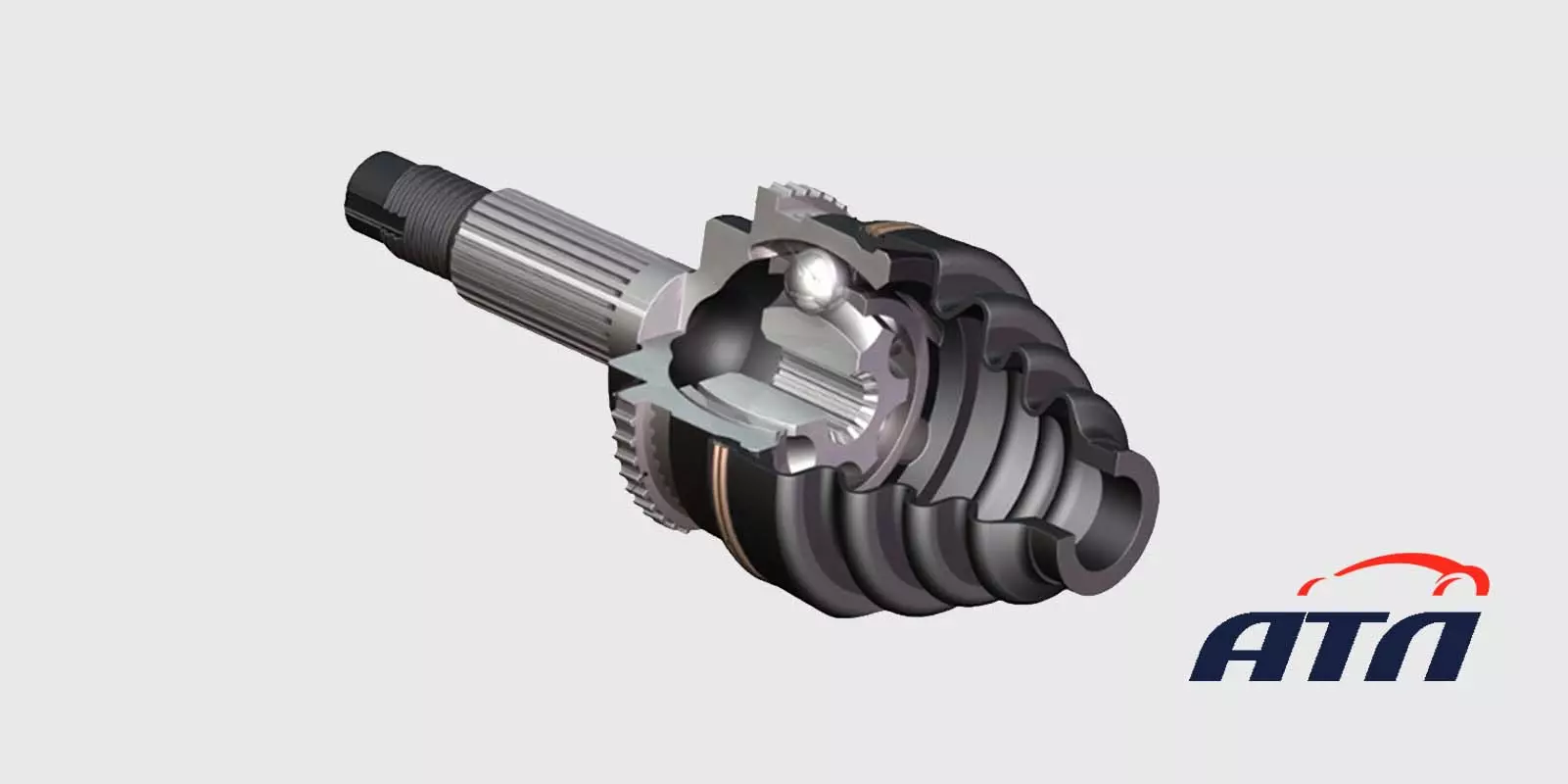
Хрустит внутренний ШРУС - можно ли ездить?
Внутренний ШРУС хрустит реже, и распознать его сложнее. Признаки:- Вибрации на скорости;
- Стук при трогании с места;
- Дребезг на прямом ходу.
Когда нельзя больше ездить
Есть ситуации, когда эксплуатация автомобиля категорически запрещена:- Хруст стал громче, особенно при каждом движении;
- Появились удары при разгоне;
- Авто начало дёргаться или тянуть в сторону;
- Пыльник полностью разорван и видна смазка;
- Слышен металлический звон.
Сколько можно проехать, если хрустит ШРУС?
Если хрустит ШРУС, можно ли ездить 100-200 км? Возможно, но:- Всё зависит от степени износа;
- Если хруст лёгкий и не усиливается - есть шанс;
- Если хруст громкий и постоянный - рискуете застрять по дороге.
Хрустящий ШРУС - это небезопасно и непредсказуемо. Вы можете проехать ещё 50 км, а можете не доехать и до следующего перекрёстка. Если хрустит ШРУС при повороте - можно ли ездить? Теоретически - да, но не нужно. Лучшее решение - как можно скорее заменить неисправный шарнир. Не рискуйте машиной, собой и другими участниками движения.