Основные признаки неисправности рулевой рейки
Если вы заметили, что поведение автомобиля на дороге изменилось, это может быть первым сигналом. Вот как понять, что неисправна рулевая рейка автомобиля:- Стук при поворотах руля
Один из наиболее частых признаков - стуки, щелчки или другие посторонние звуки при вращении руля. Они особенно заметны при движении на низкой скорости или при парковке. - Повышенный люфт руля
Если руль стал "плавать", реагирует с задержкой или требует больших усилий, возможно, рулевая рейка неисправна. - Подтекание жидкости
Гидроусилитель или электроусилитель, в зависимости от конструкции, может дать течь. Это часто указывает на износ сальников рулевой рейки. - Неравномерное усилие при вращении руля
Если при повороте руля влево и вправо требуется разное усилие, это может свидетельствовать о заклинивании механизмов внутри рейки. - Автомобиль "ведёт" в сторону
Машина может уходить в сторону даже при прямолинейном движении. Причиной может быть перекос рейки или неисправность элементов рулевого механизма.

Причины неисправности
Понять, что рулевая рейка неисправна, важно, но не менее важно знать, почему это происходит:- Естественный износ деталей.
- Попадание воды или грязи внутрь механизма.
- Агрессивный стиль вождения, частые удары по колёсам (например, при езде по ямам).
- Недостаток или утечка гидравлической жидкости.
- Нарушения при установке или ремонте рулевого управления.
Как проводится диагностика
Понять, что неисправна рулевая рейка автомобиля, можно как самостоятельно, так и при помощи специалистов.Самостоятельная проверка:
- Послушайте звук при поворотах руля.
- Проверьте люфт, покачивая руль на месте.
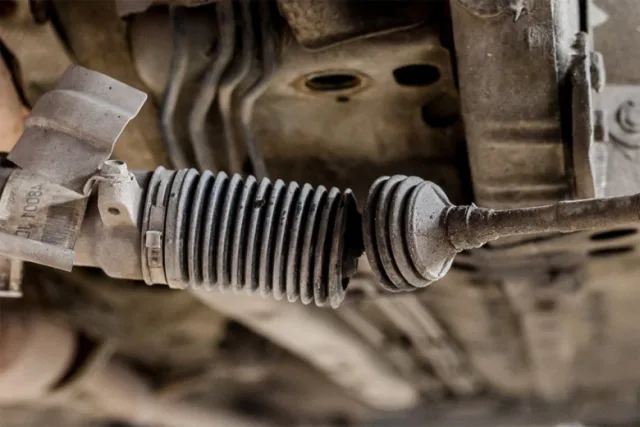
- Осмотрите рулевую рейку на наличие подтеков жидкости.
Диагностика в сервисе:
Мастера проведут полный осмотр, включая компьютерную диагностику, проверят давление в системе усилителя, износ втулок и наличие люфта.Почему нельзя откладывать ремонт
Если вы заметили признаки неисправности, откладывать ремонт нельзя. Неисправная рулевая рейка может привести к ухудшению управляемости и создать аварийную ситуацию. Кроме того, при запущенном состоянии ремонт может обойтись намного дороже.Теперь вы знаете, как понять, что рулевая рейка неисправна, и какие признаки указывают на это. Внимательное отношение к автомобилю и своевременная диагностика помогают не только сэкономить, но и сохранить вашу безопасность. При первых подозрениях лучше обратиться в автосервис и исключить серьезные неисправности.