Причины стука в механической коробке передач
Когда стучит коробка передач механика, это может сигнализировать как о незначительных неполадках, так и о серьёзных поломках. Ниже представлены основные причины стука:Износ шестерён и синхронизаторов
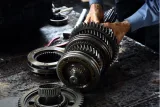
Со временем в механической коробке изнашиваются зубья шестерён и синхронизаторы. В результате возникает характерный стук при переключении передач. Если коробка передач стучит при переключении, особенно при повышении или понижении передач, рекомендуется проверить состояние этих элементов.Недостаточный уровень или плохое качество масла
Недостаток трансмиссионного масла или его плохое качество - ещё одна частая причина, почему стучит коробка передач механика. Особенно это проявляется на холостых оборотах. Масло теряет свои свойства, повышается трение и появляется стук.Износ подшипников
Подшипники обеспечивают стабильную работу валов. Их износ приводит к появлению шумов и стуков. Особенно это заметно на холостом ходу или при резком старте.
Причины стука в автоматической коробке передач
Если стучит коробка автомат, характер неисправностей отличается от механики. Вот основные причины:Проблемы с гидротрансформатором
Гидротрансформатор передаёт крутящий момент от двигателя к трансмиссии. Его поломка может вызывать стуки при начале движения или остановке. Это сопровождается рывками и толчками.Износ фрикционов и соленоидов
Фрикционы и соленоиды управляют переключением передач. При износе этих компонентов коробка передач начинает стучать при переключении. Также возможны задержки при переходе между режимами.Ошибки в системе управления
Электронный блок управления АКПП может выдавать ошибки, из-за которых переключение становится некорректным. Это приводит к ударам и стукам, особенно на малых оборотах.
Стучит коробка на холостых: что это может быть?
Если коробка передач стучит на холостом ходу, это может быть вызвано не только проблемами внутри трансмиссии.Ослабление креплений силового агрегата
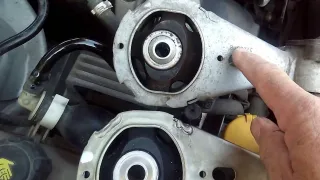
При ослабленных подушках двигателя или коробки передаётся вибрация на кузов, что создаёт впечатление стука. Это особенно заметно на холостых оборотах.Внутренний износ элементов КПП
Даже на холостом ходу внутри коробки вращаются валы. Если шестерни или подшипники изношены, можно услышать посторонние звуки без нагрузки.
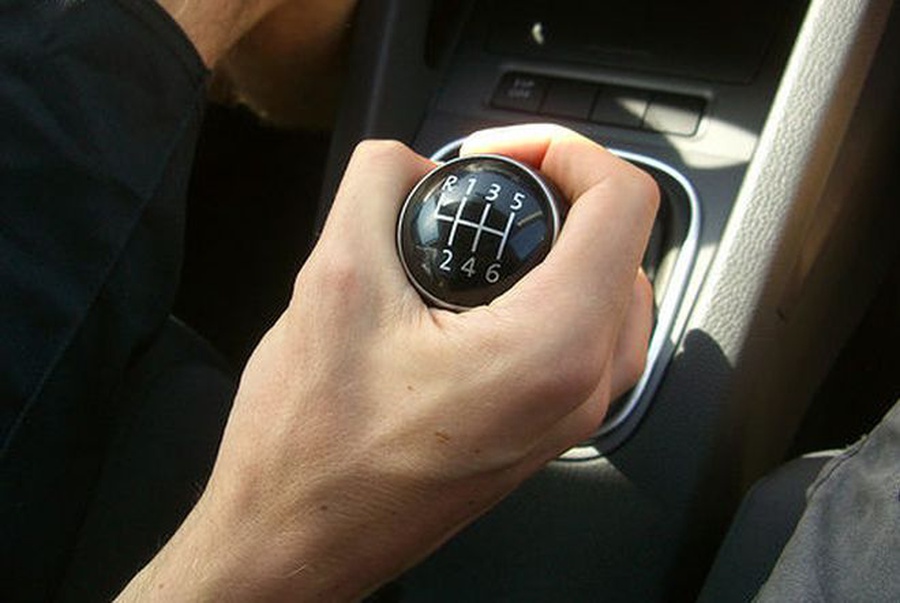
Как понять, что стучит именно коробка передач?
Определить, что именно стучит коробка, можно по следующим признакам:- Стук возникает при переключении - скорее всего, проблема в синхронизаторах или фрикционах.
- Стук на холостых - стоит проверить масло и крепление двигателя.
- Стук в движении - возможно, износ шестерён или валов.
Что делать, если стучит коробка передач?
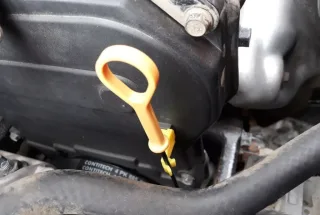
При первых признаках стука не откладывайте диагностику:- Проверьте уровень трансмиссионного масла.
- Определите условия появления стука: на холостых, при переключении, на определённой скорости.
- Обратитесь к специалистам. Чем раньше выявлена причина, тем дешевле и проще её устранить.