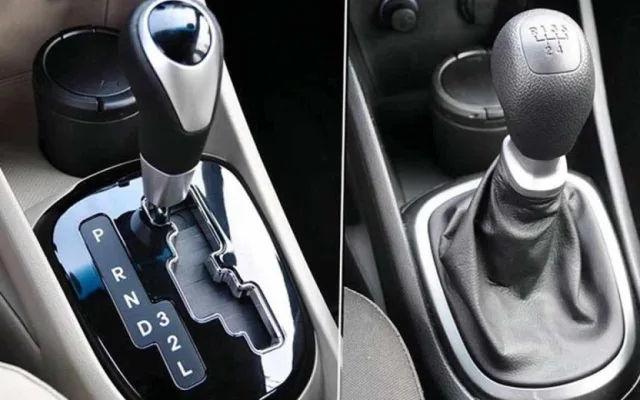
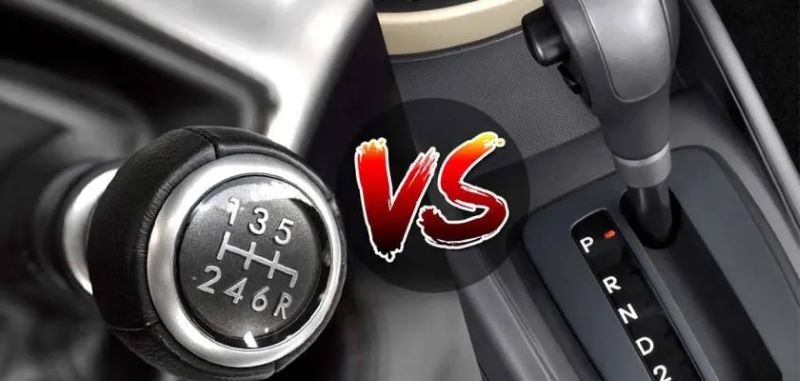
Вариатор (CVT - Continuously Variable Transmission) - это тип автоматической трансмиссии, который обеспечивает плавное и бесступенчатое изменение передаточного числа. Иными словами, здесь нет привычных ступеней (1-я, 2-я, 3-я передача и т.д.). Вместо этого коробка сама беспрерывно адаптирует передачу под текущую нагрузку и скорость. Коробка передач вариатор - что это значит в повседневной эксплуатации? Это означает, что при ускорении не будет привычных толчков от переключения передач. Водитель ощущает ровное, непрерывное ускорение, что особенно комфортно в городе.
Как работает вариатор: что это такое на практике
Чтобы понять, что такое коробка передач вариатор, важно рассмотреть её устройство. В основе лежат:
Два конусообразных шкива - ведущий и ведомый;
Металлический ремень или цепь, передающая усилие между ними;
Электронный блок управления, который регулирует работу трансмиссии.
При изменении оборотов двигателя шкивы меняют расстояние между своими половинками, что вызывает изменение диаметра контакта ремня. Таким образом, передаточное число меняется непрерывно, без ступеней.
Вариатор коробка передач: что это такое с точки зрения водителя?
Сидя за рулём автомобиля с вариатором, водитель не замечает переходов между передачами. При разгоне двигатель может работать на постоянных оборотах, что непривычно для тех, кто раньше ездил на механике или классическом автомате. Иногда это кажется странным, но именно так и работает вариатор - он держит оптимальные обороты двигателя для экономии топлива и плавности хода.
Преимущества и недостатки: коробка передач вариатор - это что?
Теперь, когда мы разобрались, что такое коробка передач вариатор, можно выделить её плюсы и минусы.
Преимущества:
Плавность движения - отсутствие рывков;
Экономия топлива - двигатель работает в наиболее эффективном диапазоне;
Комфорт - идеально для городских условий.
Недостатки:
Ограниченная динамика - не подходит для агрессивной езды;
Чувствительность к перегрузкам - буксировка и резкий старт могут повредить ремень;
Стоимость ремонта - вариаторы сложнее и дороже в обслуживании, особенно у старых моделей.
Тем не менее, современные вариаторы (например, у Honda, Toyota, Subaru, Nissan) значительно надёжнее своих предшественников.
Кому подойдёт коробка передач вариатор?
Если вы всё ещё задаётесь вопросом, вариатор коробка передач - что это, и стоит ли её выбирать, ориентируйтесь на свой стиль вождения. Вариатор идеально подойдёт тем, кто предпочитает спокойную езду, не любит рывков при переключении передач и ценит комфорт. Также он отлично проявляет себя в городском трафике, где частые остановки и трогания. Тем, кто любит динамичную езду, резкие старты и высокие обороты, стоит задуматься о классическом «автомате» или роботизированной трансмиссии.Коробка передач вариатор - что это значит в реальности? Это современная, удобная и экономичная трансмиссия, идеально подходящая для городского использования. Она отличается плавностью, высокой эффективностью и простотой в управлении. Если правильно эксплуатировать и своевременно обслуживать, вариатор прослужит не меньше классической коробки передач. Теперь вы точно знаете, коробка передач вариатор - что это такое, что значит и чем она отличается от других типов трансмиссий. Выбор за вами - главное, чтобы автомобиль соответствовал вашему стилю вождения.