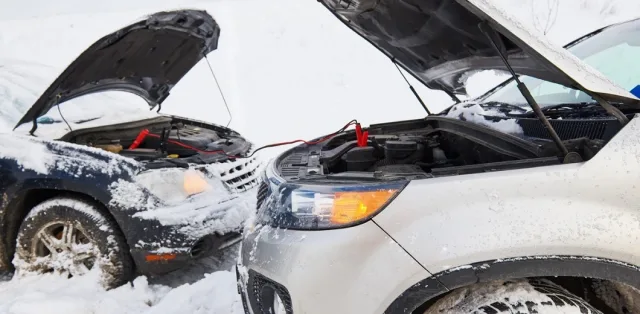
Прежде чем просить кого-то «прикурить» ваш автомобиль, стоит вспомнить несколько важных моментов.
«Прикуривать» можно только исправный автомобиль. Это допустимо лишь тогда, когда с двигателем, аккумулятором и проводкой всё в порядке, а батарея просто села — например, после длительной стоянки, из-за забытого света в салоне или включенных фар.
Если из-под капота пахнет бензином, аккумулятор разрядился после долгих и тщетных попыток завести мотор, провода покрыты грязью или имеют повреждения — «прикуривать» категорически нельзя. Это не только не поможет, но и может «убить» аккумулятор машины-донора.
Если фары, магнитола и освещение в салоне работают, а двигатель молчит — проблема не в аккумуляторе, и «прикуривание» здесь бессильно.
Прикуривать можно только исправный автомобиль
«Прикуривать» можно только авто с близким по объему двигателем. Для запуска моторов разного объема нужны разные пусковые токи, под которые подбирается АКБ. Поэтому батарея от малолитражки вряд ли сможет оживить многолитровый двигатель — скорее просто сядет сама.
Дизельную машину нельзя «прикуривать» от бензиновой по той же причине: для дизеля нужен гораздо больший пусковой ток, чем способен выдать аккумулятор бензинового авто.
При сильных морозах (ниже -20°) «прикуривание» может просто не сработать.
Как правильно «прикурить» автомобиль
Итак, машина с севшим аккумулятором исправна, а авто-донор имеет схожий объем двигателя и работает на том же топливе (либо бензиновую можно «прикурить» от дизельной).
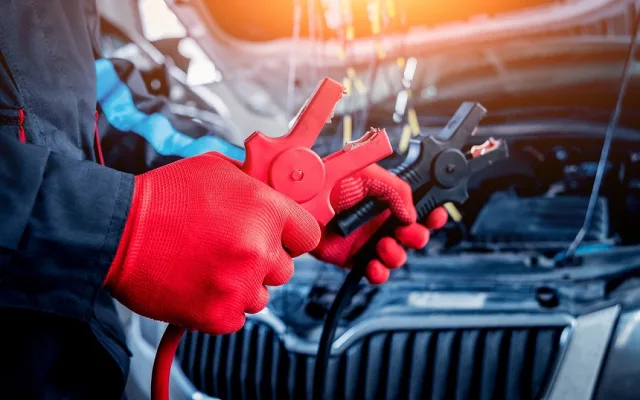
Понадобятся: провода для «прикуривания» и защитные перчатки.
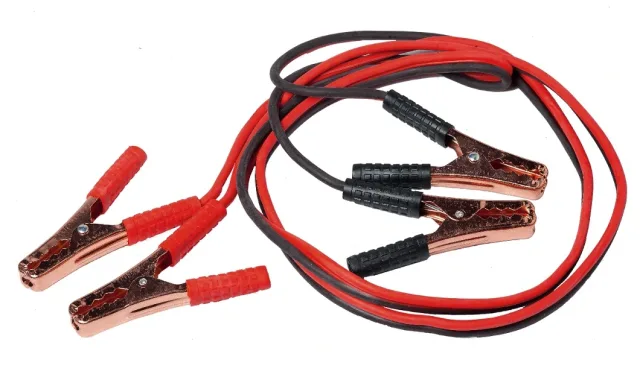
Места соединения «крокодилов» с кабелем должны быть не обжаты, а надежно пропаяны. Провода и зажимы помечены цветом: красный — для «плюса», черный или бесцветный — для «минуса».
Шаг 1
Ставим автомобили рядом так, чтобы проводов хватило. При этом машины не должны соприкасаться друг с другом.
Шаг 2
Глушим двигатель машины-донора и выключаем всё электрооборудование на обоих авто.
Шаг 3
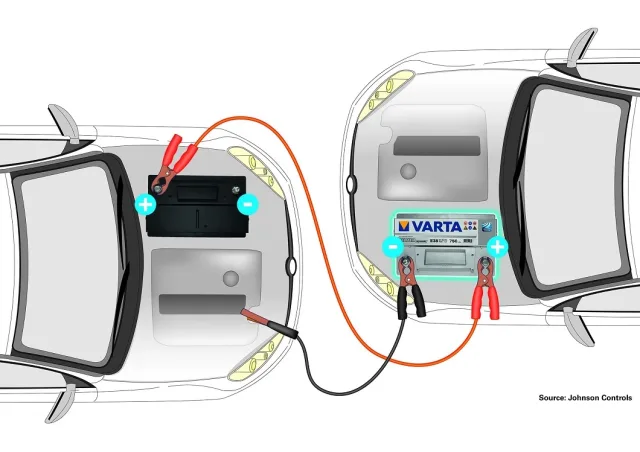
Красным проводом соединяем «плюс» заряженного аккумулятора с «плюсом» разряженного.
Шаг 4
Черным проводом подключаем «минус» заряженного аккумулятора к любой массивной неокрашенной детали кузова или двигателя второй машины.
Так делают по нескольким причинам. Если разряженная батарея на самом деле неисправна (например, замкнута), небольшое сопротивление, через которое пойдет ток, даст владельцам время заметить проблему и отключить провода.
Вторая причина — убрать источник искры подальше от батареи: при больших токах, возникающих в первые минуты заряда, аккумулятор может выделять гремучий газ (смесь водорода и кислорода), и даже малейшая искра может вызвать возгорание.
Сначала подключается «плюс», затем «минус» — тоже ради безопасности, чтобы свести к минимуму риск случайного замыкания.
Провода не должны касаться движущихся частей двигателя.
Шаг 5
Пробуем завести автомобиль с разряженной АКБ.
Если не получилось — значит, ток разряда батареи слишком велик, и при продолжении попыток могут сесть обе АКБ. В таком случае переходим к следующему шагу.
Шаг 6
Заводим автомобиль-донор. Следим за аккумулятором и ждем 10–15 минут, пока идет зарядка.
Шаг 7
Глушим двигатель машины-донора и только потом включаем стартер второго авто.
Запускать стартер при работающем двигателе донора нельзя: это может повредить генератор (в лучшем случае перегорят предохранители). Причина в том, что при включении стартера «прикуриваемой» машины напряжение в цепях резко падает, и генератор донора пытается это падение компенсировать.
Шаг 8
Если автомобиль завелся — отсоединяем провода в обратном порядке: сначала «минус», затем «плюс».
Если не завелся — можно еще раз повторить Шаг 6, но больше смысла нет.
Есть и другие способы «прикурить»
Способов «прикуривания» автомобиля существует немало, и все они различаются как порядком действий, так и самими действиями.
Есть методы с использованием лампочки для определения степени разряда батареи (она служит дополнительным сопротивлением), есть варианты смены аккумуляторов или перекидывания контактов при работающем двигателе и другие.
Но стоит помнить: современный инжекторный автомобиль напичкан электроникой, и те способы «прикуривания», которые использовались 30 лет назад, теперь могут серьезно навредить машине.
Итог
«Прикуривать» можно только исправный автомобиль.
Двигатели можно запускать только по очереди, запускать оба двигателя при соединенных электроцепях нельзя.
«Прикуривая» чужой автомобиль, помните об электроначинке своего авто.