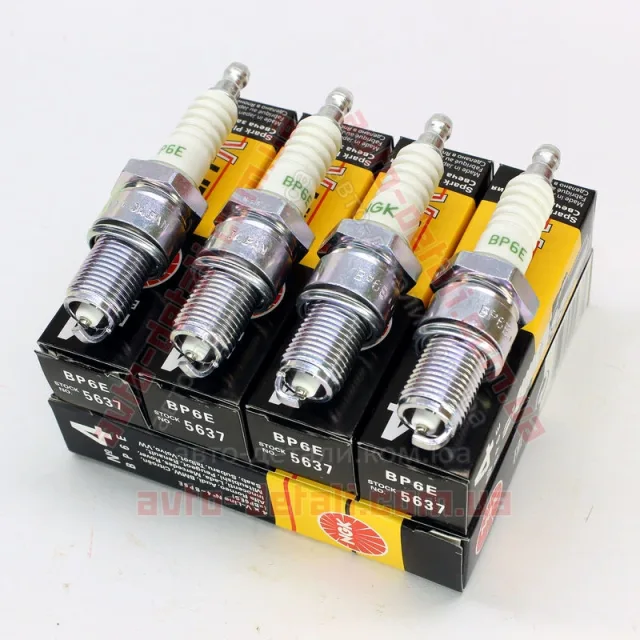
Что делает свеча зажигания
Принцип работы свечи зажигания автомобиля основан на создании электрической искры. В момент, когда поршень достигает верхней мёртвой точки, электронный блок управления подаёт напряжение на свечу. Между её электродами возникает искровой разряд, который воспламеняет топливо. Процесс занимает доли миллисекунды, но именно он обеспечивает начало рабочего такта двигателя. Чтобы понять, как работает свеча зажигания, важно знать её конструкцию. Внутри корпуса расположены центральный и боковой электроды, изолятор и резьбовая часть для крепления. Корпус герметично закрыт, чтобы выдерживать высокое давление и температуру в цилиндрах.Как именно образуется искра
Когда ток высокого напряжения (до 30 000 вольт) поступает на центральный электрод, он «перепрыгивает» через воздушный зазор на боковой электрод. Этот разряд и есть искра, которая воспламеняет смесь. Чем стабильнее подача тока и чище электроды, тем надёжнее работает система зажигания автомобиля. Если объяснить проще, то свеча зажигания работает как мини-молния внутри цилиндра. Она должна образовывать искру в строго определённый момент, иначе двигатель будет троить или терять мощность. Поэтому исправность свечей напрямую влияет на экономичность и стабильность работы мотора.Виды и особенности работы свечей зажигания
Современные автомобили используют различные типы свечей: никелевые, платиновые, иридиевые и даже лазерные. Разница между ними - в материале электродов и сроке службы. Например, платиновые и иридиевые свечи работают дольше, так как устойчивы к перегреву и эрозии металла. Независимо от типа, свеча зажигания как работает всегда одинаково - создаёт искру, воспламеняющую топливо. Однако качество этой искры зависит от зазора между электродами, состояния проводов и напряжения катушки зажигания.Признаки неисправной свечи
Чтобы двигатель автомобиля работал стабильно, важно следить за состоянием свечей. Если они загрязнены нагаром, покрыты маслом или имеют повреждения изолятора - искра становится слабой. Это приводит к рывкам, повышенному расходу топлива и трудностям при запуске. Поэтому регулярная проверка помогает понять, как работает свеча зажигания автомобиля в реальных условиях и требует ли она замены.Как продлить срок службы свечей
- Используйте топливо хорошего качества.
- Проверяйте зазор между электродами.
- Меняйте свечи согласно рекомендациям производителя.
- Следите за состоянием катушек зажигания и проводов.
Итог: свеча зажигания - это миниатюрный, но жизненно важный элемент двигателя автомобиля. Она превращает электрическую энергию в искру, обеспечивая стабильное сгорание топлива. Понимая, как работает свеча зажигания автомобиля, можно вовремя обнаружить неисправности, улучшить динамику и продлить срок службы мотора.