Влияет ли подушка двигателя на вибрацию автомобиля
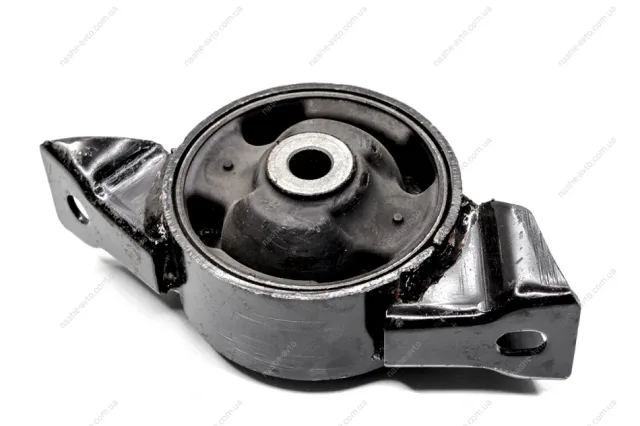
Да, влияет ли подушка двигателя на вибрацию - вопрос, на который ответ однозначный: влияет, и весьма существенно.Подушки двигателя выполняют сразу несколько функций:
- удерживают мотор в правильном положении;
- гасят колебания и вибрации, возникающие при работе цилиндров;
- компенсируют толчки при переключении передач или резком старте автомобиля.
Какие подушки двигателя существуют
Чтобы понять, какая подушка двигателя больше влияет на вибрацию, нужно знать, где они находятся и за что отвечают. Обычно на автомобиле установлено три или четыре опоры:- Передняя подушка двигателя.
Служит для фиксации двигателя в продольной оси автомобиля. Часто испытывает сильные нагрузки при ускорении и торможении. При износе этой опоры вибрации проявляются в основном при разгоне. - Задняя подушка (или опора КПП).
Соединяет двигатель с коробкой передач. Она принимает на себя нагрузку при переключении скоростей. Если эта подушка повреждена, при включении передач чувствуется толчок или удар. - Боковые подушки.
Основные элементы, удерживающие двигатель по бокам кузова. Именно они гасят поперечные вибрации и колебания.
Поэтому в большинстве случаев больше влияет на вибрацию именно правая или левая боковая подушка двигателя, особенно если она изношена или порвана. - Дополнительная гидроопора (в современных авто).
В некоторых моделях устанавливается гидравлическая подушка, которая автоматически регулирует жёсткость в зависимости от оборотов. При её выходе из строя вибрации становятся заметнее даже при небольших нагрузках.
Признаки неисправности подушки двигателя
Определить проблему можно по нескольким признакам:- двигатель «шатается» при запуске или выключении;
- слышны удары при трогании с места;
- кузов автомобиля сильно вибрирует на холостом ходу;
- рычаг КПП или руль дрожат при разгоне;
- под капотом слышны посторонние звуки, особенно при переключении передач.
Какая подушка двигателя больше влияет на вибрацию - ответ
Наибольшее влияние оказывают боковые подушки, так как они гасят основные поперечные колебания двигателя. Когда одна из них выходит из строя, вибрации мгновенно передаются на кузов.Передняя опора также важна, но чаще влияет на рывки при разгоне.
Задняя подушка - на удары и вибрации при переключении передач. Таким образом, если автомобиль стал заметно вибрировать, особенно на холостом ходу, вероятнее всего, причина в износе боковой или гидравлической подушки двигателя.
Как проверить подушки двигателя
Проверить состояние можно и самостоятельно:- Откройте капот и включите двигатель.
- Наблюдайте, как он ведёт себя при лёгком нажатии на газ.
- Если мотор сильно раскачивается - одна из подушек ослабла.
- Также можно аккуратно поддомкратить двигатель (через деревянную проставку) и проверить, не отходит ли опора от кузова.
Итог
Итак, какая подушка двигателя больше влияет на вибрацию?Главную роль играют боковые опоры - именно они гасят большую часть вибраций и обеспечивают плавность работы мотора. Однако в целом система подушек работает комплексно, и износ любой из них способен вызвать дрожь по всему кузову. Чтобы избежать повышенной вибрации, важно следить за состоянием опор и вовремя проводить диагностику. Ведь даже одна неисправная подушка может привести не только к дискомфорту, но и к повреждению элементов двигателя и трансмиссии.