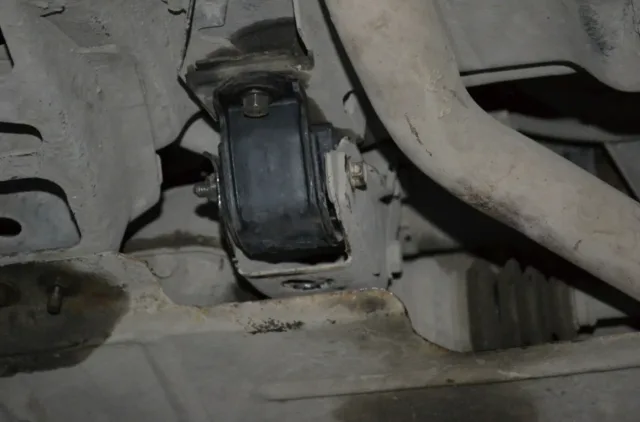
Зачем нужны подушки двигателя
Подушка двигателя (или опора) соединяет силовой агрегат с кузовом автомобиля. Основная задача - гасить вибрации и удерживать мотор от смещения при разгоне и торможении. Обычно двигатель крепится на трёх или четырёх подушках: левая, правая и задняя (иногда передняя). Когда хотя бы одна из них выходит из строя, баланс нарушается - и это сразу отражается на поведении автомобиля.Основные признаки неисправной подушки двигателя
- Вибрации при запуске и на холостом ходу.
Один из первых сигналов - появление ощутимых колебаний, особенно в салоне и руле. Если раньше мотор работал тихо, а теперь «тряска» стала заметной, стоит проверить подушки. - Толчки при переключении передач.
Когда подушка двигателя порвалась, силовой агрегат слегка смещается. Это вызывает удары при переключении передач или резком наборе скорости. - Стук или треск под капотом.
Если слышны глухие удары при разгоне или торможении - велика вероятность, что вышла из строя подушка двигателя. Особенно часто такой звук появляется при включении задней передачи. - Наклон двигателя.
Иногда неисправность можно увидеть визуально. При открытии капота заметно, что двигатель «просел» на одну сторону - значит, одна из подушек ослабла или порвалась. - Посторонние вибрации в кузове.
Автомобиль начинает вибрировать сильнее обычного, особенно при движении по неровностям. Это также указывает на то, что подушка двигателя неисправна.
Как узнать, какая подушка двигателя вышла из строя
- Визуальный осмотр.
Загляните под капот и осмотрите опоры. Порванная резина, трещины, подтеки масла - прямой признак, что подушка двигателя вышла из строя. - Используйте монтажку или лом.
Осторожно подденьте двигатель через резиновую прокладку. Если при небольшом усилии мотор сильно двигается - эта сторона и есть неисправная. - Проверка на вибрации.
Запустите двигатель и поочередно включайте передачи (при нажатом тормозе). Если при включении «D» или «R» мотор резко дергается - можно определить, какая подушка двигателя вышла из строя. - Комплексная диагностика на СТО.
Иногда визуально определить сложно. На станции технического обслуживания механики используют подъемник и специальные вибро-датчики, которые точно показывают, какая опора двигателя нуждается в замене.
Почему важно вовремя заменить подушку двигателя
Если затянуть с ремонтом, последствия могут быть серьезными:- повреждение выпускного коллектора;
- трещины на выхлопной трубе;
- повышенный износ коробки передач и приводов;
- появление новых вибраций и люфтов.
Как понять, что пора менять подушку двигателя
- Двигатель стал громче работать на холостом ходу;
- Слышен глухой удар при включении передач;
- Появились вибрации на руле или педалях;
- Мотор слегка смещён в сторону.
Теперь вы знаете, как понять, что подушка двигателя вышла из строя, и как узнать, какая именно неисправна. Проверяйте состояние опор при каждом техосмотре - это поможет избежать вибраций, стуков и дорогостоящего ремонта двигателя.