Что такое датчик износа тормозных колодок
Датчик износа тормозных колодок - это элемент системы контроля, который сигнализирует водителю о критическом уменьшении толщины фрикционного слоя колодки. Его основная задача - предупредить о необходимости замены тормозных колодок до того, как они полностью сотрутся и начнут повреждать тормозной диск. Проще говоря, если колодки износились - датчик передаст сигнал на приборную панель, и вы увидите соответствующий значок.Где находится датчик износа тормозных колодок
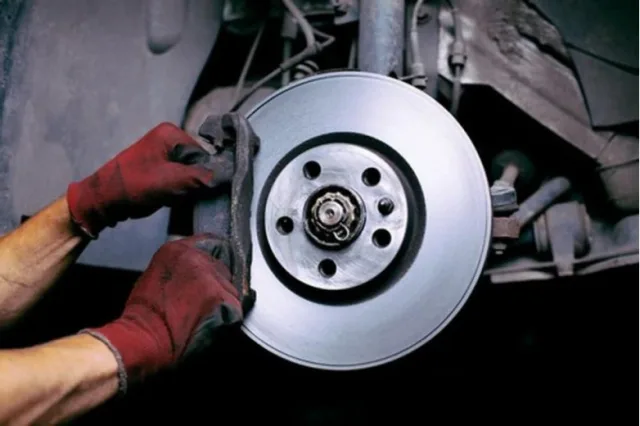
Расположение датчика зависит от конструкции тормозной системы и типа автомобиля. Обычно датчик износа тормозных колодок находится прямо на колодке - с внутренней стороны, ближе к тормозному диску. В некоторых моделях он установлен только на передней оси, в других - на всех четырёх колёсах.- В переднеприводных автомобилях датчики чаще устанавливаются на передних колёсах, где износ колодок происходит быстрее.
- В более дорогих моделях (BMW, Audi, Mercedes) датчики ставятся и спереди, и сзади, обеспечивая полный контроль за состоянием тормозов.
Как работает датчик износа тормозных колодок
Принцип работы датчика износа тормозных колодок может быть механическим или электронным.1. Механический датчик
Простейший вариант - металлическая пластина, встроенная в колодку. Когда колодка стирается, пластина начинает касаться тормозного диска, создавая характерный писк или скрип. Это и есть сигнал, что колодки нужно менять. Преимущества:- простота конструкции;
- низкая стоимость;
- надёжность.
2. Электронный датчик
Более современный вариант, который используется во многих автомобилях. Он представляет собой тонкий проводник, встроенный в материал колодки. Когда фрикционный слой стирается до определённой толщины, провод перетирается и разрывает электрическую цепь. Электроника фиксирует это и передаёт сигнал на приборную панель - обычно загорается иконка в виде круга с пунктирными линиями (иногда надпись Check Brake Pads).3. Активные датчики
На современных моделях премиум-класса применяются активные датчики, которые постоянно измеряют сопротивление цепи и позволяют определить уровень износа с высокой точностью. Такая система может даже показывать процент износа колодок на дисплее автомобиля.Признаки неисправности датчика износа тормозных колодок
Если лампа износа колодок на панели горит, но колодки новые - это говорит о возможной проблеме с датчиком или проводкой. Основные признаки неисправности:- лампа не гаснет после замены колодок;
- на приборной панели постоянно горит предупреждение;
- датчик повреждён механически при установке;
- окисление разъёмов.
Как проверить и заменить датчик износа тормозных колодок
Проверить работоспособность датчика можно с помощью мультиметра:- Снимите колесо.
- Найдите провод, идущий от колодки.
- Прозвоните его на целостность - если цепь разорвана, датчик подлежит замене.
Советы по эксплуатации
- Проверяйте состояние датчиков при каждой замене тормозных колодок.
- Используйте оригинальные или качественные аналоги, так как дешёвые варианты часто выходят из строя.
- После установки новых колодок с датчиками сбросьте ошибку в системе, если она не исчезла автоматически.
Теперь вы знаете, как работает датчик износа тормозных колодок и где он находится в автомобиле. Этот небольшой элемент играет огромную роль в безопасности - он позволяет вовремя заменить колодки и избежать дорогостоящего ремонта тормозной системы. Регулярная проверка датчиков поможет поддерживать тормоза в идеальном состоянии и гарантировать надёжное торможение в любых условиях.