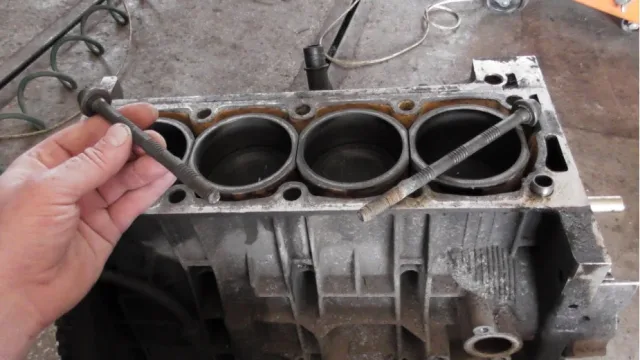
Почему ломаются болты ГБЦ
Перед тем как переходить к тому, как выкрутить обломанный болт ГБЦ, стоит понять, почему это происходит:- Перетяжка при установке - нарушение момента затяжки. Болты ГБЦ должны затягиваться строго по инструкции, в несколько этапов и с использованием динамометрического ключа.
- Коррозия и прикипание - металл при длительной эксплуатации прикипает к резьбе, особенно если двигатель часто перегревается.
- Износ и усталость металла - болты со временем теряют прочность, особенно при многократной разборке двигателя.
- Неправильный инструмент - попытка открутить болт неподходящей головкой может привести к срыву граней.
Как выкрутить обломанный болт ГБЦ
Если болт сломался при демонтаже головки блока, не стоит паниковать. Есть несколько эффективных способов, как аккуратно его выкрутить.1. Использование экстрактора (специального съемника)
Это самый надёжный и безопасный способ, если часть болта осталась в резьбовом отверстии. Порядок действий:- Очистите место от грязи и масла.
- С помощью тонкого сверла сделайте направляющее отверстие строго по центру обломанного болта.
- Вставьте экстрактор в отверстие и аккуратно закрутите его против часовой стрелки.
- Когда экстрактор «зацепится», продолжайте вращать - болт начнет выкручиваться.
2. Нагрев болта
Если болт прикипел из-за ржавчины, можно применить метод нагрева. Как действовать:- Прогрейте место вокруг болта строительным феном или газовой горелкой (но не перегревайте, чтобы не повредить алюминиевую ГБЦ).
- После прогрева попробуйте выкрутить болт плоскогубцами или экстрактором.
- При необходимости повторите процедуру несколько раз - металл расширится и ослабит захват резьбы.
3. Высверливание болта
Если болт обломился заподлицо с поверхностью или экстрактор не помог, остаётся крайний вариант - высверливание. Инструкция:- Разметьте центр болта керном, чтобы сверло не соскальзывало.
- Используйте тонкое сверло, постепенно увеличивая диаметр.
- Когда стенки болта станут тонкими, извлеките их с помощью шила или тонких щипцов.
- При необходимости нарежьте новую резьбу метчиком.
4. Как открутить болт ГБЦ с сорванными гранями
Иногда болт не ломается, но слизаны грани, и ключ попросту проскальзывает. В этом случае можно воспользоваться следующими приёмами:- Попробуйте головку меньшего размера - иногда чуть меньший инструмент позволяет зацепиться за остатки граней.
- Используйте набор торцевых головок с насечками (так называемые "турбо-грип" или "экстра-грип").
- При сильном повреждении граней можно приварить гайку к обломку болта - после остывания металл немного «ослабнет», и болт легче выкрутить.
Как предотвратить поломку болта ГБЦ в будущем
Чтобы больше не сталкиваться с подобными ситуациями, придерживайтесь простых правил:- Всегда используйте динамометрический ключ для затяжки.
- Заменяйте болты ГБЦ на новые при каждой разборке двигателя - они одноразовые.
- Перед установкой смазывайте резьбу высокотемпературной пастой.
- Не используйте чрезмерное усилие при откручивании.
- Если болт «не идёт» - обработайте его проникающей жидкостью (WD-40, Liquid Wrench) и подождите 15-20 минут.
Теперь вы знаете, как выкрутить обломанный болт ГБЦ, как открутить сорванный или слизанный болт, и какие методы лучше применять в каждой ситуации. Главное - действовать аккуратно и не торопиться. Используйте качественный инструмент, соблюдайте технику безопасности и не применяйте лишнюю силу. В большинстве случаев даже сильно прикипевший или обломанный болт можно выкрутить без повреждения резьбы и дополнительных проблем.