Автомобильная подвеска - это сложный механизм, в котором каждая деталь играет важную роль для безопасности и комфорта движения. Одним из часто недооценённых элементов является отбойник амортизатора. Многие водители слышали это название, но не всегда понимают, что это, зачем нужен и как работает отбойник амортизатора.
Что такое отбойник амортизатора
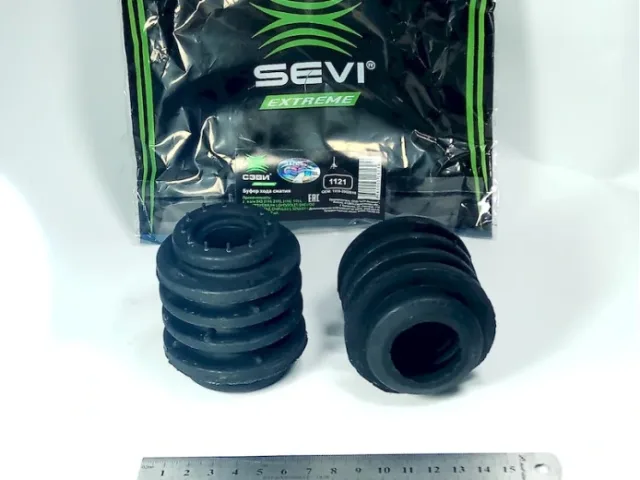
Отбойник амортизатора - это небольшая деталь из эластичного материала (чаще всего полиуретана или резины), которая устанавливается на шток амортизатора или в месте его крепления к кузову. Несмотря на компактные размеры, именно он защищает подвеску и кузов автомобиля от повреждений при работе в экстремальных условиях. Иными словами, отбойник амортизатора - это демпфирующий элемент, предотвращающий жёсткий удар амортизатора при максимальном сжатии подвески.
Зачем нужен отбойник амортизатора
Главная функция отбойника - защита. Когда автомобиль движется по плохой дороге, подвеска постоянно испытывает нагрузки. При наезде на большую яму или препятствие амортизатор может сжаться до предела. Если бы отбойника не было, металлические детали подвески соприкасались бы напрямую, что приводило бы к ударам, поломкам и деформации элементов. Таким образом, отбойник амортизатора нужен для:
предотвращения пробоев подвески;
защиты амортизатора от механических повреждений;
снижения ударных нагрузок на кузов;
повышения комфорта в салоне;
продления срока службы всей подвески.
Даже при исправных пружинах и амортизаторах именно отбойник принимает на себя последнюю часть нагрузки в экстремальной ситуации.
Как работает отбойник амортизатора
Принцип работы отбойника прост, но крайне важен. При нормальной езде он почти не задействован. Однако при сильном сжатии подвески, например, при резком наезде на кочку или «лежачего полицейского», шток амортизатора упирается в отбойник. В этот момент отбойник амортизатора работает как дополнительный амортизирующий элемент: он сжимается, поглощает часть энергии удара и не даёт металлическим деталям встретиться напрямую. После снятия нагрузки отбойник возвращается в исходное положение. По сути, отбойник выполняет роль «подушки безопасности» для подвески. Его упругая структура позволяет распределять нагрузку, снижать вибрации и предотвращать повреждения.
Признаки неисправности отбойника
Так как отбойник постоянно подвергается нагрузкам и воздействию влаги, он может со временем разрушаться. Основные признаки износа:
характерные удары и стуки при движении по неровностям;
быстрый выход из строя амортизатора;
повреждения или трещины на самом отбойнике.
Если отбойник амортизатора порвался или полностью разрушился, подвеска начинает работать «на пробой». Это приводит к сильным ударам, повреждению кузова и поломке амортизаторов.Теперь понятно, что такое отбойник амортизатора, зачем он нужен и как работает. Несмотря на простоту, эта деталь играет ключевую роль в защите подвески и обеспечивает комфортное и безопасное движение. Регулярная проверка состояния отбойников - важная часть обслуживания автомобиля. Своевременная замена изношенных элементов помогает продлить ресурс амортизаторов, сохранить управляемость и защитить кузов от лишних нагрузок.
Advertising
Comments
No comments yet. Say the first word.
Write a comment
No sign-up needed - just your name.
Write