Корзина сцепления: что это
Если упростить, корзина сцепления - это металлический корпус с прижимным диском и пружинами, установленный на маховике двигателя. Внутри неё расположен ведомый диск сцепления, который соединяется с коробкой передач. Именно корзина обеспечивает прижимное усилие, необходимое для передачи крутящего момента от двигателя к трансмиссии. Когда водитель выжимает педаль сцепления, корзина разжимает диски, и двигатель перестаёт напрямую соединяться с коробкой. Таким образом, корзина сцепления - что это? Это главный элемент механизма, отвечающий за включение и выключение сцепления в автомобиле.Как выглядит корзина сцепления
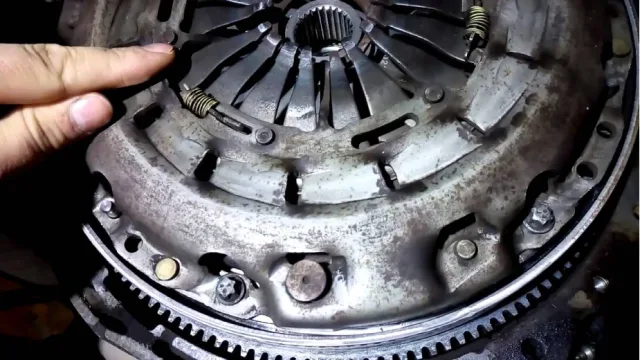
Для тех, кто никогда не видел этот элемент, полезно понять, как выглядит корзина сцепления.- Форма - круглая металлическая конструкция, похожая на крышку с отверстиями.
- В центре находятся лепестковые пружины (так называемая диафрагменная пружина).
- Снаружи есть крепежные отверстия для фиксации к маховику.
- Внутри расположен прижимной диск, который взаимодействует с ведомым диском.
Как работает корзина сцепления
Теперь главный вопрос - как работает корзина сцепления.- Педаль сцепления отпущена.
Прижимной диск плотно придавливает ведомый диск к маховику. Крутящий момент двигателя полностью передаётся на коробку передач. - Педаль сцепления выжата.
Лепестки пружины прогибаются, прижимной диск отходит от ведомого. В этот момент связь между двигателем и коробкой разрывается, и водитель может безопасно переключить передачу. - Промежуточное положение.
Когда педаль отпускается постепенно, прижимное усилие увеличивается плавно. Это и обеспечивает мягкий старт автомобиля.
Симптомы неисправности корзины
Понимание того, как работает корзина сцепления, помогает вовремя заметить её поломку. Признаки износа:- пробуксовка сцепления (двигатель ревёт, а машина едет слабо);
- тугой или мягкий ход педали;
- вибрации при трогании;
- шумы и стуки при переключении передач.
Теперь вы знаете, что такое корзина сцепления, как выглядит корзина сцепления и самое главное - как работает корзина сцепления. Это не просто металлический корпус, а ключевой элемент системы, обеспечивающий передачу мощности от двигателя к трансмиссии. От исправности корзины зависит комфорт, плавность хода и безопасность автомобиля.