Двигатель - это сердце автомобиля, и его надёжность напрямую зависит от качества сборки и используемых материалов. В процессе эксплуатации различные соединения мотора подвержены высоким температурам, вибрациям и воздействию агрессивных жидкостей. Поэтому герметик становится незаменимым помощником при ремонте. Но у автовладельцев часто возникает вопрос: герметик для двигателя какой лучше и чем руководствоваться при выборе.
Для чего нужен герметик в двигателе
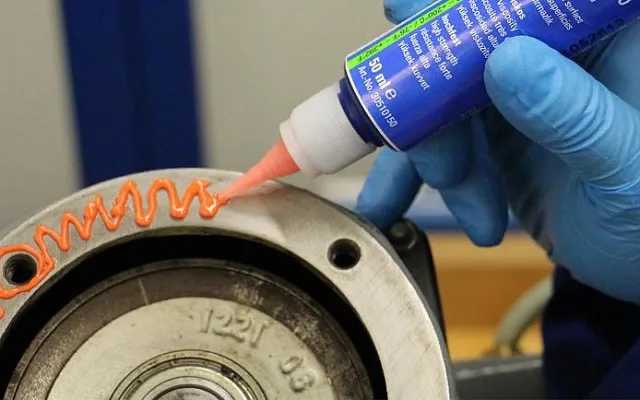
Герметик используется для уплотнения соединений, где прокладка не справляется или требуется дополнительная защита. Его применяют при ремонте поддона, картера, крышки клапанов, водяного насоса и других узлов. Правильно подобранный состав предотвращает утечки масла и охлаждающей жидкости, а также защищает детали от коррозии. При этом важно понимать, что универсального ответа на вопрос «какой герметик лучше для двигателя автомобиля» нет. Всё зависит от условий эксплуатации, типа двигателя и конкретного узла, где он будет применяться.
Какой герметик лучше для поддона двигателя
Поддон картера - одно из самых уязвимых мест, где часто возникают течи масла. Прокладка под воздействием температуры теряет эластичность, и именно здесь на помощь приходит герметик. Чтобы понять, какой герметик лучше для поддона двигателя, нужно учитывать следующие факторы:
устойчивость к высоким температурам (от 250 °C и выше);
стойкость к воздействию моторного масла;
сохранение эластичности после затвердевания;
удобство нанесения.
Чаще всего для поддона используют силиконовые герметики. Они создают прочный, но эластичный шов, который выдерживает перепады температур и давление. Автовладельцы отмечают, что одним из надёжных решений считается герметик Victor Reinz или Elring, которые специально разработаны для автомобильных двигателей. Таким образом, если вы задаётесь вопросом, какой герметик лучше для поддона двигателя, то оптимальным выбором будет высокотемпературный силиконовый состав с маслостойкими свойствами.
Какой герметик лучше для сборки двигателя
При капитальном ремонте или сборке мотора важна абсолютная герметичность соединений. Здесь применяют специальные герметики, которые выдерживают длительное воздействие высоких температур и давления. Чтобы понять, какой герметик лучше для сборки двигателя, необходимо учитывать:
рабочий диапазон температуры (до 300 °C и выше);
стойкость к бензину, маслу и антифризу;
время полного полимеризования;
возможность демонтажа при следующем ремонте.
Для сборки двигателя специалисты рекомендуют использовать анаэробные герметики. Они затвердевают только при отсутствии воздуха и обеспечивают надёжное уплотнение. Среди популярных решений - Loctite 574 и Loctite 518, которые применяются в автосервисах при профессиональной сборке моторов. Таким образом, отвечая на вопрос «какой герметик лучше для сборки двигателя», можно сказать, что лучший выбор - это анаэробный герметик известных производителей, специально предназначенный для ремонта ДВС.
Герметик для картера двигателя: какой лучше купить
Картера и поддоны часто подвержены механическим повреждениям и течам. Поэтому при выборе важно знать, герметик для картера двигателя какой лучше купить, чтобы он обеспечил долговечный результат. Здесь стоит обратить внимание на:
герметики на основе силикона (Victor Reinz, Abro Red RTV);
составы с повышенной адгезией к металлу и алюминию;
универсальные герметики, совместимые с маслом и топливом.
Например, Permatex Ultra Black считается одним из лучших вариантов для картера двигателя, так как он обладает повышенной стойкостью к маслам и температуре до 315 °C. Таким образом, при выборе какой герметик лучше для картера двигателя купить, лучше ориентироваться на продукцию проверенных брендов, которые обеспечивают надёжное уплотнение и долговечность.
Итог: какой герметик лучше для двигателя
Подводя итог, можно сказать, что вопрос «герметик для двигателя какой лучше» зависит от места применения и задач.
Для поддона подойдёт высокотемпературный силиконовый состав.
Для сборки двигателя лучше выбрать анаэробный герметик.
Для картера оптимальны маслостойкие герметики с повышенной прочностью.
Лучшие результаты показывают бренды Victor Reinz, Elring, Loctite, Permatex, Abro. Эти производители зарекомендовали себя на рынке и используются как в автосервисах, так и среди обычных автолюбителей. Главное правило - использовать только качественные материалы и наносить их согласно инструкции. Тогда двигатель будет надёжно защищён от утечек и прослужит дольше.