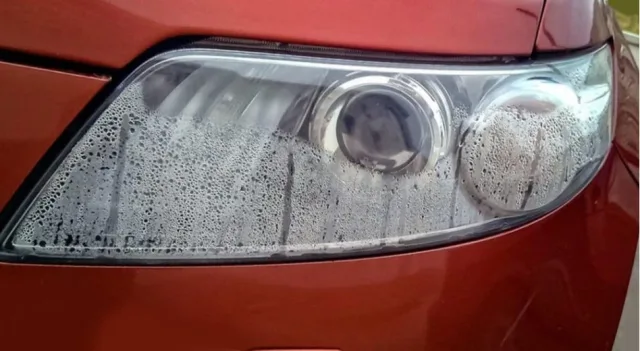
Владельцы автомобилей часто сталкиваются с проблемой, когда потеют фары изнутри, и влага собирается на стекле. На первый взгляд, это лишь косметический дефект, но на самом деле ситуация небезопасная: ухудшается видимость на дороге, снижается эффективность освещения, а при долгом воздействии влаги страдают отражатели и электрика.
Почему потеют фары изнутри?
Существует несколько основных причин:
Нарушение герметичности корпуса - трещины или неплотно установленные уплотнители пропускают влагу.
Резкие перепады температуры - чаще всего потеют фары зимой, когда холодный воздух снаружи встречается с теплым изнутри.
Неправильная установка линз - часто замечают, что потеют фары после установки линз, так как при доработке корпуса нарушается герметизация.
Мойка автомобиля - после автомойки или при дожде влага может оставаться внутри, из-за чего потеют фары после мойки или во время непогоды.
Конденсат в сырую погоду - если потеют фары в дождь, это связано с естественной разницей температур и уровнем влажности.
Что делать, если потеют фары?
Чтобы устранить проблему, нужно выявить источник влаги.
Проверьте герметичность корпуса и уплотнителей. Даже маленькая щель приводит к тому, что фары будут постоянно запотевать.
Если потеют фары изнутри что делать - сначала нужно просушить их. Для этого фару снимают, прогревают феном или оставляют в теплом сухом помещении.
Используйте специальные влагопоглотители (силикагель), которые можно аккуратно разместить внутри корпуса.
При нарушении герметичности корпус нужно заново проклеить герметиком.
Если потеют фары после мойки или зимой, постарайтесь следить за состоянием вентиляционных отверстий - они не должны быть забиты грязью или пылью.
Что делать при серьезных проблемах?
Если влага регулярно скапливается, и почему потеют фары изнутри непонятно, стоит обратиться в автосервис.
При повреждении стекла или корпуса помогает только замена фары.
В случаях, когда потеют фары после установки линз, лучше провести повторную герметизацию или обратиться к специалисту, который проверит правильность монтажа.
Когда потеют фары, это не только эстетическая проблема, но и риск снижения безопасности на дороге. Причины могут быть разные - от неправильной установки линз до естественного конденсата зимой или после мойки. Главное - вовремя разобраться, почему это происходит, и предпринять меры: просушить, герметизировать или заменить детали. Таким образом, если потеют фары зимой, в дождь или после мойки, всегда можно найти решение - от простых способов своими руками до профессионального ремонта.