Амортизатор - один из ключевых элементов подвески автомобиля. Именно он отвечает за то, чтобы колёса плотно соприкасались с дорогой, сглаживая неровности и снижая вибрации. Со временем деталь изнашивается, и водитель задумывается о ремонте или замене. Но прежде чем приступить к работе, нужно понять, как разобрать амортизатор автомобиля и в каких случаях это вообще возможно.
Разборный и неразборный амортизатор
Первое, с чем сталкивается владелец машины, - это конструктивные особенности самой детали. Заводские амортизаторы бывают двух типов: разборные и неразборные. Разборные конструкции предполагают возможность замены внутренней «начинки» - манжет, уплотнений, масла, клапанов. В этом случае ремонт оправдан, так как стоимость деталей значительно ниже цены нового узла. Совсем иначе обстоят дела с неразборными амортизаторами. Они изначально изготовлены в герметичном корпусе и не рассчитаны на обслуживание. Тем не менее многие автолюбители всё же интересуются, как разобрать неразборный амортизатор. Сделать это реально: корпус можно распилить, заменить изношенные элементы и после сборки заварить обратно. Однако такой ремонт требует опыта и оборудования - болгарки, сварочного аппарата, набора уплотнений. К тому же результат не всегда долговечен. Поэтому чаще всего неразборный амортизатор меняют целиком.
Как разобрать амортизатор автомобиля
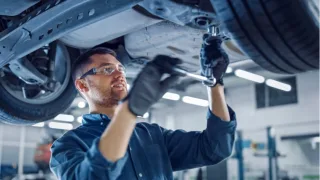
Процесс разборки классического амортизатора выглядит следующим образом. Сначала деталь демонтируется с подвески: автомобиль ставят на домкрат, снимают колесо, откручивают крепёжные болты. Далее сам амортизатор зажимают в тиски, после чего аккуратно разбирают: снимают крышку, извлекают шток и внутренние детали. Важно помнить, что внутри находится масло и под давлением - работать нужно аккуратно, в перчатках и защитных очках. Когда деталь разобрана, можно оценить состояние поршня, манжет и масла. Если амортизатор был разборным, ремонт обычно сводится к замене расходников и заливке нового масла. После этого деталь собирается в обратном порядке и снова устанавливается на автомобиль.
Особенности ремонта на ВАЗ 2101
Классические «Жигули», включая ВАЗ 2101, широко известны простотой конструкции. Здесь амортизаторы чаще всего разборные, и при желании владелец может обслужить их самостоятельно. Вопрос «как разобрать передний амортизатор ВАЗ 2101» или «как разобрать амортизатор ВАЗ 2101» до сих пор актуален для многих, ведь оригинальные запчасти можно восстановить, не покупая новые. Разборка переднего амортизатора «копейки» мало отличается от общей схемы: снимается колесо, откручиваются верхнее и нижнее крепления, деталь вынимается и фиксируется в тисках. После этого можно открутить крышку и извлечь внутренние элементы. Замена масла и уплотнений позволяет значительно продлить срок службы амортизатора. Некоторые умельцы идут дальше - даже если установлен неразборный вариант, они всё равно распиливают корпус, чтобы восстановить деталь. Такой метод требует навыков, но показывает, что даже «необслуживаемые» узлы на практике можно починить.
Стоит ли разбирать амортизатор самому
Многие автолюбители интересуются, стоит ли пытаться самостоятельно восстановить амортизатор. Если речь идёт о классических моделях вроде ВАЗ 2101, то процедура вполне реальна и часто оправдана. Но в случае с современными машинами, где ставятся в основном неразборные амортизаторы, ремонт может оказаться сложнее и дороже, чем покупка новой детали. Кроме того, нужно учитывать безопасность. Амортизатор - элемент, напрямую влияющий на управляемость автомобиля. Ошибка при сборке или некачественный ремонт могут привести к поломке на ходу, что крайне опасно. Поэтому если есть сомнения в собственных силах, лучше доверить ремонт специалистам или заменить узел новым.
Итог
Разобрать амортизатор автомобиля можно, но многое зависит от его конструкции. Разборные варианты обслуживаются без особых проблем, достаточно набора инструментов и внимательности. С неразборными всё сложнее: теоретически их тоже ремонтируют, но это требует серьёзных навыков и оборудования. На примере ВАЗ 2101 видно, что старые модели допускают самостоятельное обслуживание, и такой ремонт может значительно сэкономить средства. В любом случае подходить к работе стоит ответственно, ведь от исправности амортизаторов зависит не только комфорт, но и безопасность на дороге.
Advertising
Comments
No comments yet. Say the first word.
Write a comment
No sign-up needed - just your name.
Write