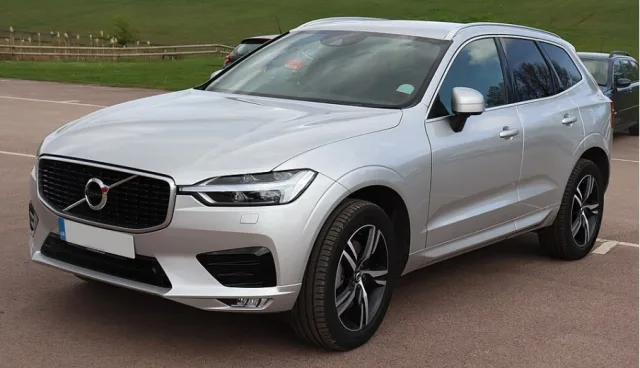
Первое поколение (2008-2017): надёжность и выбор по вкусу
Первые XC60 предлагались с широким набором моторов - от атмосферных бензиновых до мощных турбодизелей. Рекомендованные варианты:- 2.4 D5 дизель - классика надёжности от Volvo. Этот пятицилиндровый двигатель спокойно ходит 400 тыс. км при нормальном обслуживании. Отличается хорошей тягой и умеренным расходом (7-8 л/100 км).
- T6 3.0 бензин - турбированный шестицилиндровый двигатель, который дарит отличную динамику (0-100 км/ч за ~7 секунд). Подходит тем, кто ценит скорость и плавность хода.
- 2.0T бензин - компромисс между экономией и мощностью, особенно в версиях Drive-E.
Второе поколение (с 2017 года): технологии и экология
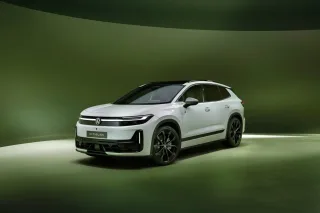
Современные XC60 получили новые модульные двигатели серии Drive-E. Все они - четырёхцилиндровые, с турбонаддувом, а в топовых версиях - с комбинированным наддувом (турбо компрессор). Лучшие варианты:- B4 и B5 дизель - оптимальны для дальних поездок, тяговиты, расходуют 5-6 л/100 км, соответствуют строгим экологическим нормам.
- T5 бензин - мощность 249 л.с., разгон до 100 км/ч за 7,1 секунды, при этом расход на трассе около 7,5 л.
- T6 бензин (320 л.с.) - турбо компрессор, впечатляющая динамика (0-100 км/ч за 5,9 секунды). Подходит для активных водителей.
- T8 Twin Engine - гибрид с общей мощностью более 400 л.с. и возможностью проезжать до 40 км на электротяге.
Как выбрать свой идеальный двигатель для XC60
При ответе на вопрос, Вольво XC60 какой двигатель лучше, важно учитывать стиль вождения, пробег и бюджет на обслуживание.- Если хотите максимум ресурса и надёжности - ищите D5 дизель первого поколения.
- Для сбалансированной динамики и расхода в городе и на трассе подойдёт T5 бензин второго поколения.
- Для любителей скорости - T6 бензин или гибрид T8 Twin Engine.
- Для частых дальних поездок - B4/B5 дизель.
Советы при покупке
- Проверяйте историю обслуживания - особенно для турбированных бензиновых моторов.
- Дизели Volvo любят качественную солярку и регулярную замену масла каждые 8-10 тыс. км.
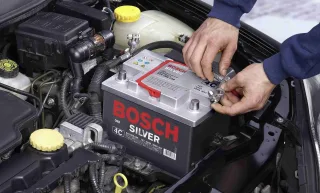
- Для гибридов важно следить за состоянием батареи - замена обойдётся дорого.
- При покупке подержанного XC60 проведите диагностику турбины и системы охлаждения.
Итог: нет единственного универсального ответа на вопрос Volvo XC60 какой двигатель лучше - всё зависит от ваших приоритетов. Если нужен надёжный долгожитель - выбирайте D5. Если важна динамика - берите T6 или гибрид. Для баланса мощности и экономии подойдёт T5 или B5. Главное - обслуживать двигатель по регламенту и заправлять качественным топливом, тогда XC60 будет радовать вас долгие годы.