Когда нужно доливать масло
Проверку уровня масла лучше проводить каждые 1-2 тысячи километров пробега или перед длительной поездкой. Если щуп показывает, что уровень опустился ниже середины, пора задуматься, как правильно долить масло в двигатель автомобиля. Основные признаки нехватки масла:- Лампа давления масла загорается на панели приборов.
- Появляются посторонние шумы, стуки.
- Масло на щупе ниже минимальной отметки.
Как правильно долить масло в двигатель - пошаговая инструкция
- Поставьте автомобиль на ровную поверхность и заглушите двигатель. Подождите 5-10 минут, чтобы масло стекло в поддон.
- Откройте капот и найдите маслозаливную горловину (обычно с изображением маслёнки на крышке).
- Проверьте уровень щупом - вытяните его, вытрите, снова вставьте и достаньте для точного измерения.
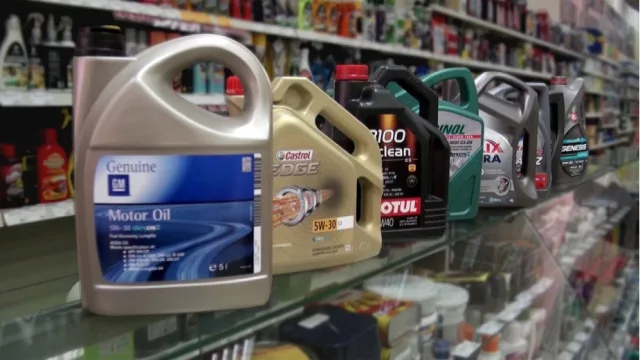
- Выберите подходящее масло - если знаете марку и вязкость, используйте ту же. Если нет, читайте ниже, как долить масло в двигатель, если не знаешь какое было.
- Доливайте небольшими порциями (по 100-200 мл), каждый раз проверяя щуп, чтобы не перелить.
- Закрутите крышку и убедитесь в отсутствии подтеков.
Если не знаете, какое масло было залито
Иногда ситуация требует срочного долива, а информации о предыдущей заправке нет. В таком случае, как долить масло в двигатель, если не знаешь какое было?- Для экстренной ситуации долейте любое моторное масло с подходящей вязкостью по сезону (например, 5W-40 или 10W-40).
- При первой возможности замените масло полностью.
- Не смешивайте минералку и синтетику надолго - это снижает ресурс двигателя.
Особенности долива на популярных моделях
- Как долить масло в двигатель ВАЗ 2110 - расположение горловины удобное, щуп легко доступен, используйте 3,5-3,7 л масла при полной замене.
- Как долить масло в двигатель ВАЗ 2107 - старые двигатели «классики» часто потребляют масло, проверяйте уровень чаще.
- Как долить масло в двигатель ВАЗ 2109 - доступ аналогичный, но следите за чистотой, чтобы пыль не попала внутрь.
- Как долить масло в двигатель ВАЗ 2115 - используйте рекомендованные производителем масла, избегайте перелива.
- Как долить масло в двигатель ВАЗ 2114 - процесс идентичен другим «Самарам», но проверьте герметичность сальников.
- Как долить масло в двигатель Ланос - доступ к горловине свободный, но лучше использовать масло 10W-40.
- Как долить масло в двигатель Лачетти - современные моторы чувствительны к качеству масла, поэтому доливайте только подходящие по спецификации GM.
Советы по безопасному доливу
- Никогда не доливайте масло «на глаз» - всегда проверяйте щуп.
- Не смешивайте масла разных классов API без необходимости.
- Держите запас литровой канистры в багажнике.
Итог: теперь вы знаете, как правильно долить масло в двигатель автомобиля, будь то ВАЗ 2107, 2109, 2110, 2114, 2115, Ланос или Лачетти. Регулярный контроль уровня и правильный долив - это гарантия, что двигатель прослужит дольше и не подведёт в дороге.