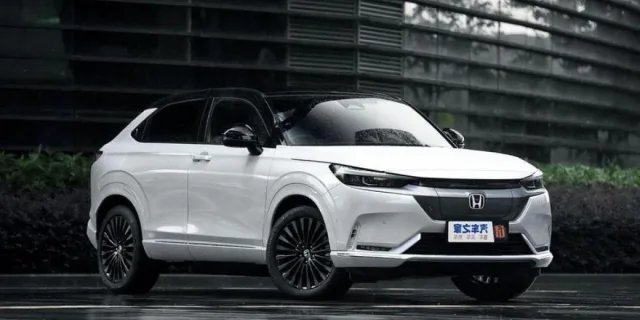
Что такое гибридный автомобиль?
Гибридный автомобиль - это транспортное средство, в котором объединены два типа двигателей: бензиновый (или дизельный) и электрический. Такая система позволяет сократить расход топлива, снизить вредные выбросы в атмосферу и сделать поездки более экономичными. Существует два основных типа гибридов:- Полные гибриды (HEV)
- Подключаемые гибриды (PHEV)
Полный гибрид (HEV): надо ли заряжать?
Полный гибрид, например Toyota Prius, не требует зарядки от розетки. Электромотор получает энергию за счет рекуперативного торможения (при замедлении) и от работы бензинового двигателя. То есть, если вы спрашиваете, надо ли заряжать гибридный автомобиль HEV, - ответ: нет. Он заряжается сам в процессе движения, и это делает его очень удобным для тех, кто не хочет зависеть от электрозарядных станций.Подключаемый гибрид (PHEV): нужен ли заряд?
С подключаемыми гибридами ситуация иная. Такие автомобили, как Mitsubishi Outlander PHEV или Volvo XC60 Recharge, можно подключать к розетке, чтобы зарядить батарею. Нужно ли заряжать подключаемый гибридный автомобиль?Да, если вы хотите использовать его электрический режим движения - без включения ДВС. Однако, даже если вы не зарядите батарею от сети, автомобиль будет работать как обычный гибрид, используя двигатель внутреннего сгорания. Зарядка подключаемого гибрида позволяет существенно снизить расход топлива и даже проезжать короткие дистанции только на электричестве, не включая бензиновый мотор.
Зарядка: как, где и сколько?
Для зарядки PHEV чаще всего используется обычная бытовая розетка 220 В. Полная зарядка занимает от 3 до 8 часов в зависимости от емкости аккумулятора. Также существуют зарядные станции, которые обеспечивают более быстрый процесс - 1-2 часа. Если в вашем районе есть удобная инфраструктура для зарядки, подключаемый гибрид может стать отличной альтернативой электрокару или обычному автомобилю.Итог: нужно ли заряжать гибридный автомобиль?
Все зависит от типа гибрида:- HEV (полный гибрид) - заряжать не нужно, автомобиль делает это сам.
- PHEV (подключаемый гибрид) - зарядка желательна, особенно если вы хотите экономить топливо и ездить в электрическом режиме.