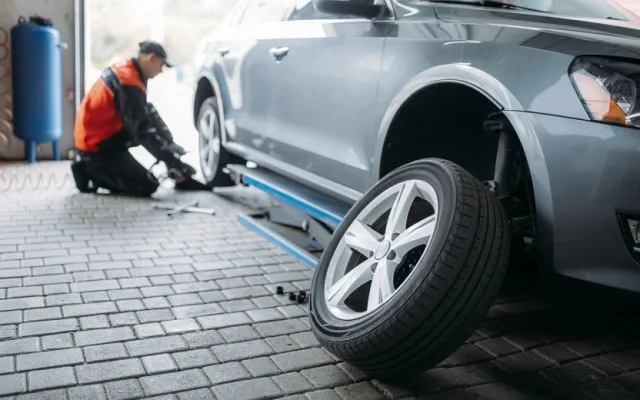
Почему важно правильно устанавливать колеса
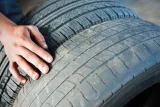
Протектор - это рисунок на рабочей поверхности шины, отвечающий за отвод воды, сцепление с поверхностью, устойчивость в поворотах и сопротивление аквапланированию. От того, как правильно ставить колеса по протектору, зависит:- Поведение автомобиля на мокрой или заснеженной дороге;
- Эффективность торможения;
- Износ шин;
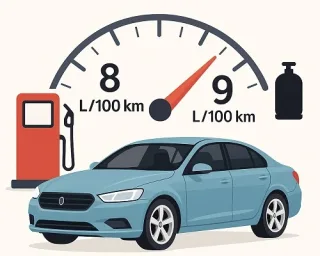
- Расход топлива;
- Уровень шума в салоне.
Виды рисунка протектора
Перед тем как разобраться, как ставить колеса по протектору, нужно понять, какой у вас рисунок протектора. Всего существует три основных типа:1. Симметричный ненаправленный
- Самый универсальный тип;
- Протектор одинаковый с обеих сторон;
- Такие шины можно ставить на любую сторону автомобиля;
- Не имеют направления вращения.
2. Симметричный направленный
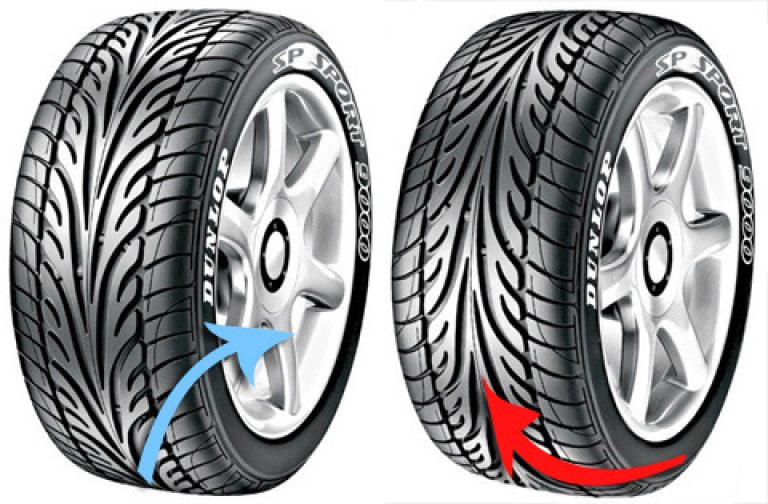
- Протектор образует «ёлочку» или V-образный рисунок;
- На боковине есть стрелка с надписью Rotation - указывает направление вращения;
- Важно соблюдать установку по направлению - при ошибке снижается сцепление с дорогой и возникает аквапланирование.
3. Асимметричный
- Внутренняя и внешняя часть шины отличаются;
- Обозначаются надписями Inside (внутрь) и Outside (наружу);
- Направление вращения может не быть указано, но важно правильно ориентировать шину по сторонам автомобиля.
Как правильно ставить колеса по протектору
Шаг 1: Определите тип протектора
Посмотрите на маркировку на боковине шины. Если есть стрелка с Rotation - значит шина направленная. Если указано Inside/Outside - асимметричная. Отсутствие меток - скорее всего симметричный ненаправленный тип.Шаг 2: Разместите шину в соответствии с маркировкой
- Направленные шины устанавливаются так, чтобы стрелка указывала вперед по ходу движения.
- Асимметричные шины должны стоять Inside - к подвеске, Outside - кнаружи.
- Симметричные ненаправленные можно ставить как угодно.
Шаг 3: Убедитесь в корректной установке
Проверьте каждое колесо, особенно если установка проводится вручную или на шиномонтаже без автоматического контроля.Что будет, если поставить шины неправильно
Если не соблюдать правила установки по рисунку протектора:- Снижается устойчивость на мокрой дороге;
- Возрастает риск аквапланирования;
- Протектор изнашивается быстрее и неравномерно;
- Повышается шумность в салоне;
- Увеличивается тормозной путь;
- Может ухудшиться поведение автомобиля в экстренных ситуациях.
Советы по сезонной замене
- Делайте фото расположения шин перед заменой - это поможет не перепутать направления;
- Храните шины с пометкой о месте установки: «перед левый», «задний правый» и т.д.;
- После каждого монтажа проверяйте, как правильно стоят колеса по протектору;
- Лучше всего доверить установку специалистам, особенно если шины асимметричные или направленные.
Теперь вы знаете, как правильно ставить колеса по протектору, и почему это действительно важно. Неправильная установка может привести не только к преждевременному износу резины, но и поставить под угрозу вашу безопасность на дороге. Следите за маркировкой, проверяйте направление вращения и не забывайте, что правильный монтаж шин - это такая же важная часть эксплуатации автомобиля, как и замена масла или тормозов. Пусть ваш автомобиль будет надежен в любую погоду!