- повреждение штатных колес (сколы, трещины, деформация);
- желание улучшить внешний вид машины;
- переход с железных на литые или кованые диски;
- тюнинг или смена сезона.
Независимо от причины, важно учитывать технические характеристики и рекомендации производителя.
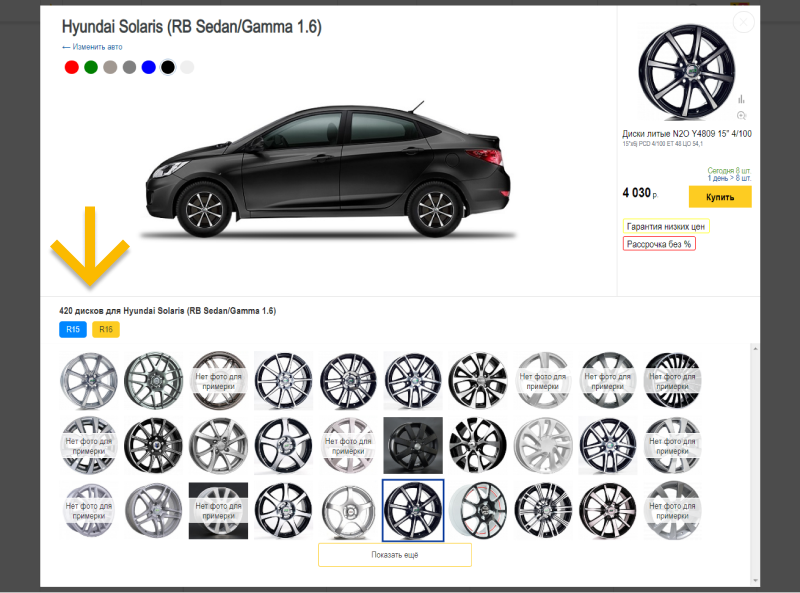
Основные параметры: как выбрать диски на авто по характеристикам
Чтобы не ошибиться с выбором, при покупке дисков обязательно учитывайте следующие параметры:1. Диаметр (D)
Диаметр диска измеряется в дюймах. Например, R15, R16, R17 - это самые популярные размеры. Не всегда больше - значит лучше. Правильно выбирать диски на авто стоит с учетом заводских рекомендаций.2. Ширина обода
Ширина также указывается в дюймах и влияет на то, какие шины можно будет установить. Подбор должен быть точным, иначе можно нарушить управляемость автомобиля.3. Разболтовка (PCD)
Это количество болтов и диаметр круга, на котором они расположены, например, 5x114.3. Диски на авто как выбрать по разболтовке - нужно знать точные параметры именно для вашей модели.4. Вылет (ET)
Показатель, от которого зависит, насколько диск будет "утоплен" в колесную арку или наоборот - выпирать наружу. Неверный вылет может привести к трению об элементы подвески или кузов.5. Диаметр центрального отверстия (DIA)
От этого параметра зависит, насколько точно диск "сядет" на ступицу. При несовпадении можно использовать центровочные кольца, но идеальный вариант - полное соответствие.Как выбрать литые диски на авто: плюсы и минусы
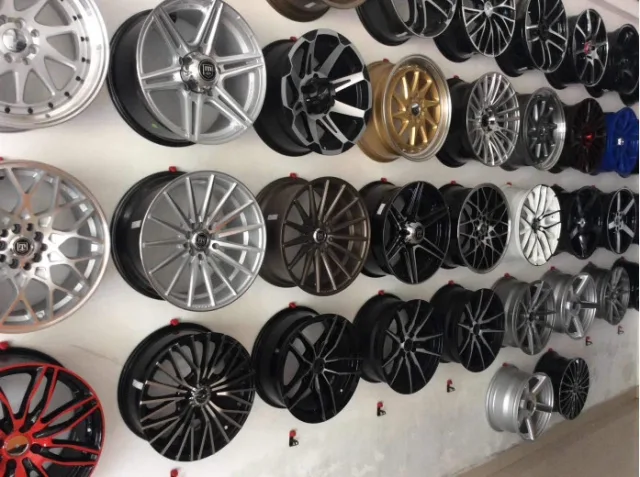
Литые диски стали популярны благодаря своему внешнему виду и характеристикам. Вот, что важно знать:Преимущества:
- легкий вес - меньше нагрузка на подвеску;
- лучшая теплоотдача - снижает риск перегрева тормозов;
- эстетика - диски выглядят красиво и современно.
Недостатки:
- ниже устойчивость к ударам по сравнению со штампованными;
- дороже в ремонте и покупке.
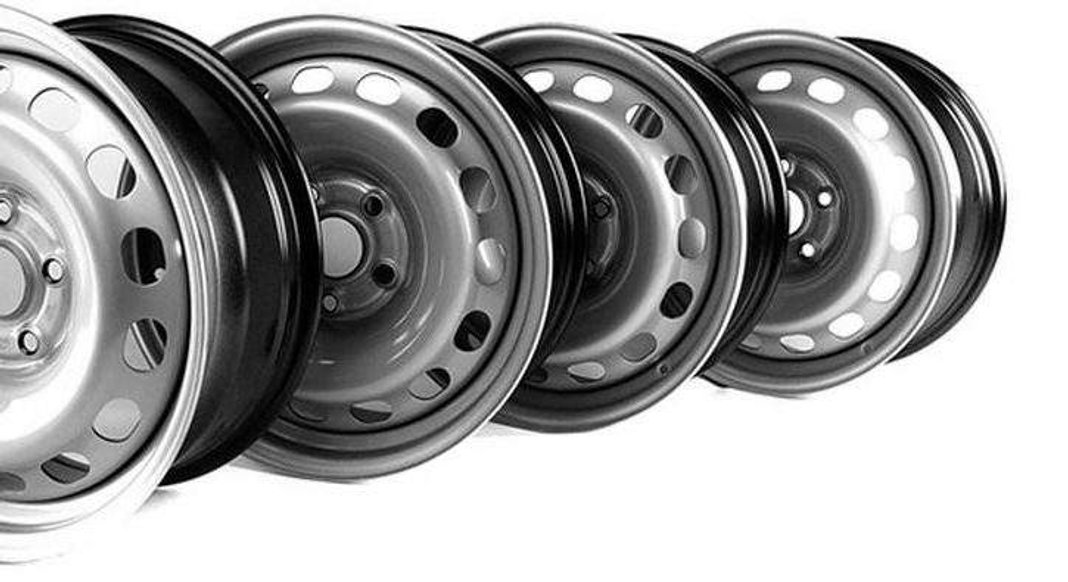
Кованые и штампованные: в чем отличия?
Когда водитель задумывается, как правильно выбрать диски на авто, он сталкивается с разными видами:- Штампованные - чаще устанавливаются с завода, недорогие, прочные, но тяжелее и не такие привлекательные внешне.
- Кованые - самые дорогие, легкие и прочные, хорошо переносят удары, но сложны в производстве.
- Литые - компромисс между ценой и качеством.
Советы по выбору
Чтобы правильно выбрать диски на авто, придерживайтесь следующих рекомендаций:- Ориентируйтесь на руководство пользователя автомобиля.
- Не берите диски «на глаз» - важно знать точные параметры.
- Покупайте в проверенных магазинах с гарантией и сертификатами.
- Избегайте подделок - особенно при выборе литых и кованых моделей.
- Учитывайте стиль вождения и условия дорог.
- Сравните несколько брендов, прочитайте отзывы.
- Не забывайте про балансировку и установку качественных шин.
Что будет, если неправильно выбрать диски?
Если вы неправильно подобрали диски, это может привести к:- вибрации при езде;
- быстрому износу шин;
- ухудшению управляемости;
- перегрузке элементов подвески;
- повреждению кузова при поворотах.
Теперь вы знаете, как правильно выбрать диски на авто и какие нюансы учитывать при покупке. Внимание к деталям и соблюдение рекомендаций помогут не только улучшить внешний вид машины, но и сохранить комфорт и безопасность в дороге. Пусть ваш выбор будет осознанным и технически грамотным!