Как правильно слить антифриз полностью: с блока и двигателя Антифриз играет ключевую роль в системе охлаждения автомобиля. Он не только предотвращает перегрев двигателя, но и защищает его от коррозии и промерзания в холодное время года. Однако со временем охлаждающая жидкость теряет свои свойства, и её нужно заменить. Чтобы сделать это качественно, необходимо знать, как правильно слить антифриз полностью, в том числе с блока двигателя.
Когда необходимо сливать антифриз
Согласно рекомендациям производителей, замену антифриза стоит проводить каждые 2-5 лет или через 40 000-60 000 км пробега - в зависимости от типа жидкости и условий эксплуатации автомобиля. Но внеплановая замена может понадобиться в следующих случаях:
При перегреве двигателя и закипании охлаждающей жидкости;
После ремонта системы охлаждения;
При смешивании разных типов антифриза;
При явных признаках загрязнения или утраты цвета;
Если при проверке плотности и pH-жидкости выявлено несоответствие нормам.
Чтобы избежать поломок и ржавчины в системе, важно не просто доливать антифриз, а периодически полностью сливать его и заливать новый.
Как слить антифриз полностью: пошаговая инструкция
Если вы хотите выполнить замену самостоятельно, важно понимать, как слить весь антифриз правильно, включая остатки из блока двигателя. Процедура выглядит следующим образом:
Подготовка
Перед тем как слить антифриз с двигателя, необходимо обеспечить безопасность и порядок:
Подготовьте чистую тару для слива (желательно с крышкой).
Обеспечьте доступ к днищу автомобиля и моторному отсеку.
Убедитесь, что двигатель полностью остыл.
Подготовьте перчатки, ключи и ветошь - антифриз токсичен и плохо смывается.
Этап 1: Слив жидкости из радиатора
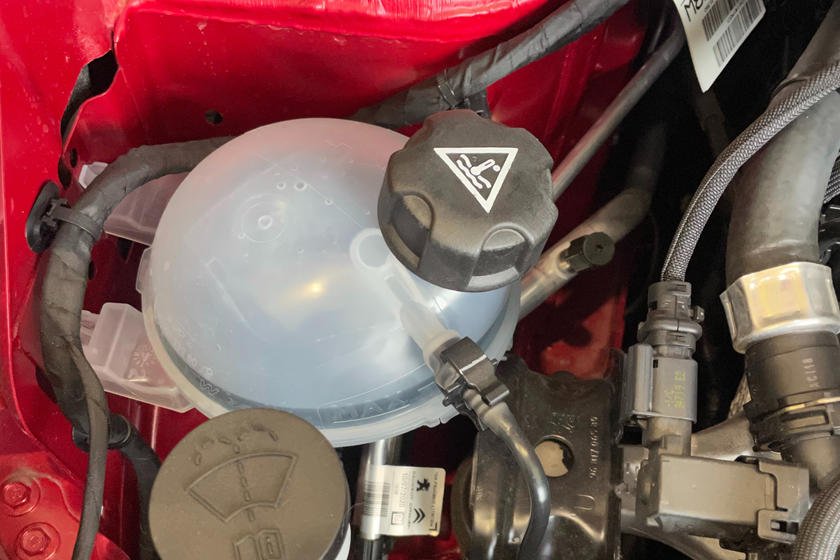
Чтобы слить основной объём антифриза, откройте капот и найдите радиатор. В нижней части радиатора, как правило, имеется сливной кран или пробка. Аккуратно открутите её и подставьте ёмкость - жидкость начнёт вытекать под напором. Не забывайте: чтобы ускорить слив, нужно открыть расширительный бачок и, при необходимости, снять крышку радиатора (если конструкция автомобиля это допускает).
Этап 2: Слив антифриза с блока двигателя
Многие водители ограничиваются сливом только из радиатора, но это неправильно. Чтобы действительно слить антифриз полностью, необходимо также удалить жидкость, оставшуюся в блоке цилиндров. Для этого на большинстве автомобилей предусмотрена специальная сливная пробка на блоке двигателя. Она обычно находится сбоку или внизу блока, ближе к выпускному коллектору. Открутите эту пробку (или болт) осторожно. Жидкость потечёт быстро, и она будет горячей, если мотор не остыл до конца. Иногда пробка сильно прикипает - не применяйте чрезмерную силу, чтобы не повредить резьбу.
Этап 3: Промывка системы
Если антифриз был сильно загрязнён или вы подозреваете наличие накипи и ржавчины, рекомендуется выполнить промывку системы. Для этого заливается дистиллированная вода или специальный промывочный состав, прогревается двигатель до рабочей температуры, после чего жидкость снова сливается. Иногда промывку приходится повторить 2-3 раза, пока сливаемая жидкость не станет прозрачной.
Как правильно залить новый антифриз после слива
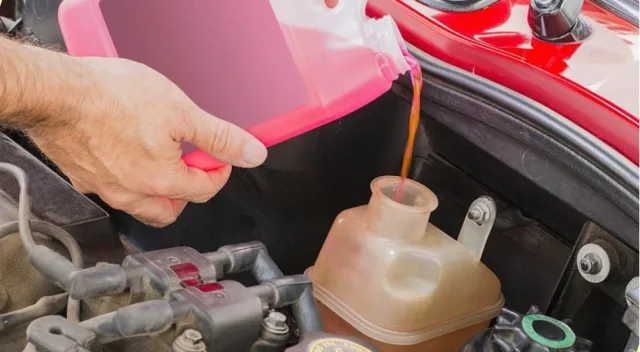
После того как удалось слить антифриз с блока полностью, важно не допустить ошибок при заливке нового. Используйте жидкость, рекомендованную производителем автомобиля (тип G11, G12, G12 , G13 и т.д.). При этом нельзя смешивать разные типы охлаждающих жидкостей, если вы не уверены в их совместимости.
Заливайте антифриз медленно через горловину радиатора или расширительный бачок.
Убедитесь, что в системе нет воздушных пробок. Для этого сожмите патрубки руками или откройте специальные клапаны для выпуска воздуха (если они есть).
Запустите двигатель и дайте ему поработать 5-10 минут. Следите за температурой и уровнем жидкости.
При необходимости долейте антифриз до нужного уровня.
Советы и предостережения
Никогда не сливайте антифриз на землю - это вредно для экологии и может быть опасно для домашних животных.
Используйте перчатки и защитную одежду. Даже малое количество антифриза, попавшее на кожу или в глаза, может вызвать раздражение.
Утилизируйте отработанную жидкость в соответствии с местными нормами.
Полная замена охлаждающей жидкости - это обязательная процедура, которая продлевает срок службы двигателя и предотвращает перегрев. Чтобы качественно провести замену, важно понимать, как слить антифриз полностью, в том числе с блока двигателя. Только в этом случае можно быть уверенным, что новый антифриз будет работать эффективно, без примесей и остатков старой жидкости. Следуя инструкции и соблюдая осторожность, вы легко справитесь с задачей даже без обращения в сервис.