Эта информация поможет сдержать желание разгоняться на отличных дорогах. Ведь во многих европейских странах штрафы за несоблюдение дозволенной скорости могут серьезно опустошить ваш кошелек.
Штрафы за скорость в Черногории
В Черногории дозволенной скоростью в населенных пунктах являются классические 50 км/ч. За пределами городов и сел для легковых авто – в зависимости от трассы 80-100 км/ч.
Полиция встречается часто, а на дорогах есть фото и видеофиксация.
С полицией лучше вести себя спокойно, избегая потенциальных конфликтов.
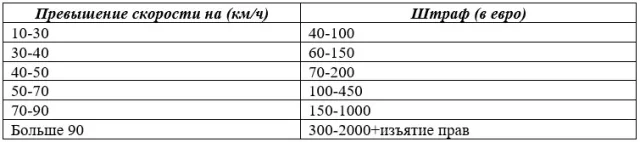
Штрафы за превышение скорости в Черногории
Штрафы за скорость во Франции
Франция – страна с одними из самых жестких правил и законов на дорогах. Превысив дозволенную скорость на 2 км/ч, вы гарантированно получите штраф.
Во Франции нельзя пользоваться устройствами, предупреждающими местонахождение радара/фотокамеры, а также рациями, настраиваемыми на полицейскую волну. Воспользовавшись такими устройствами, нарветесь на штраф минимум в 1500 евро, максимум – и на изъятие ТС.
Оплатив штраф на месте или в течение 3-х дней, его сумма останется такой, как ее выписал патрульный. Задержитесь с оплатой - вырастет в разы.
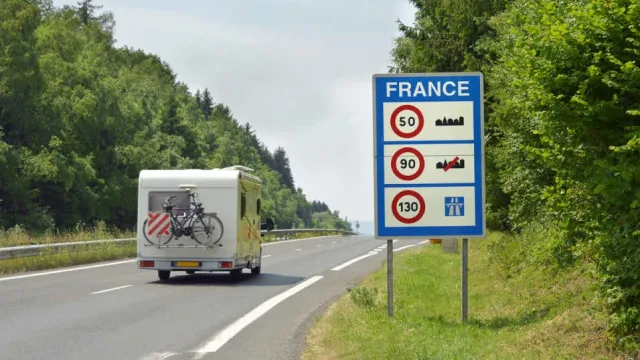
Французское ограничение скорости в населенных пунктах - 50 км/ч. На автомагистралях – 110-130 км/ч, но есть дороги со знаком 80 км/ч.
Также Франция – страна, где в плохую погоду все скоростные ограничения автоматически уменьшаются на 20-50 км/ч. В плохую погоду в городе можно ехать 30 км/ч. На автомагистрали - не выше 80-110 км/ч, а если туман, то не быстрее 50 км/ч.
Есть особые ограничения для водителей, получивших права 3 и менее года назад – они обязаны придерживаться еще меньшей скорости.
Штрафы за превышение скорости во Франции

Штрафы за скорость в Хорватии
В Хорватии ограничения скорости: 50 км/ч - в городах, 90 км/ч – на пригородных дорогах, 110 км/ч - на скоростных автомагистралях, и 130 км/ч на - автобанах.
Но стоит знать, что молодые водители в возрасте до 24 лет: на пригородных дорогах должны ехать 80 км/ч, 100 км/ч – на скоростных автомагистралях, и 120 км/ч – на автобанах.
Оплачивать выписанный штраф не обязательно на месте, для этого есть 8 дней. Однако, полиция может посчитать вас неблагонадежным, и изъять паспорт до оплаты штрафа.
Штрафы за превышение скорости в Хорватии
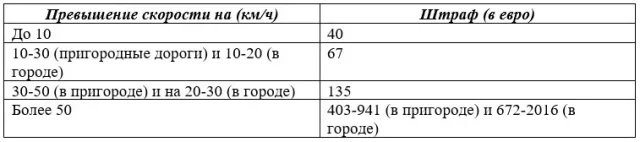
Штрафы за скорость в Италии
В Италии на пригородных дорогах можно ускоряться до 90-110 км/ч, скоростные трехполосные автомагистрали имеют ограничения 130-150 км/ч, а вот в городах скорость 50 км/ч, со снижением до 30 км/ч в спальных районах.
В дождь, снег и туман предел падает до 100 км/ч на магистралях и 90 км/ч в пригороде. Но, все эти показатели снижаются, если вы водитель с правами, полученными менее 3-х лет назад.
Полиция в Италии только выписывает штраф, но на месте его оплатить нельзя. Штраф следует погасить как можно быстрее, иначе есть шанс лишиться автомобиля.
Штрафы за превышение скорости в Италии

Штрафы за скорость в Германии
Германия известна своими скоростными автобанами, где можно разгоняться до 130 км/ч. Однако, на многих ее междугородних трассах такое ограничение держится на 120 км/ч. Как и в случае с Францией, здесь нельзя пользоваться устройствами, предупреждающими местонахождение радара/фотокамеры, и рациями, настраиваемыми на полицейскую волну. В общем, тут надо не только знать правила, а еще и иметь под рукой энциклопедию автомобилей – чтобы знать максимальную скорость машин.
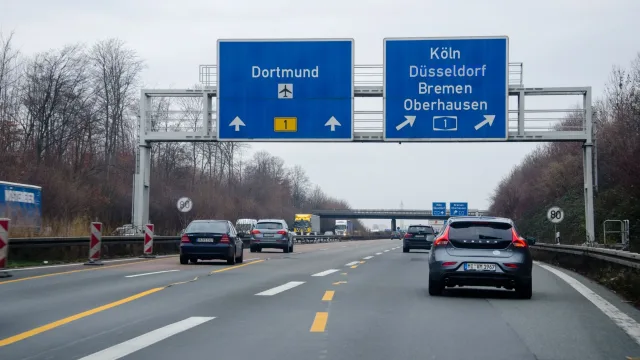
Штрафы за превышение скорости в Германии
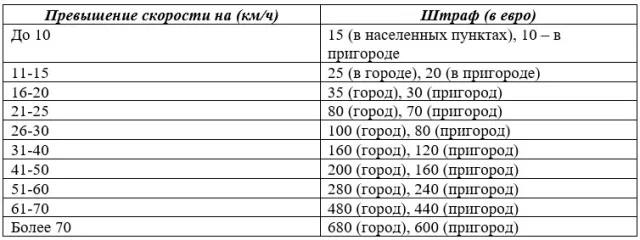
Штрафы за скорость в Польше
На польских автомагистралях, плотно «утыканных» фото и видеокамерами, максимальная скорость, разрешенная для легковых автомобилей - 140 км/ч. В населенных пунктах – 50 км/ч, но в промежутке между 23.00 и 5.00 можно ускоряться до 60 км/ч.
Иностранным водителям польские полицейские штраф выписывают на месте или дают возможность его оплатить в течение 3-х дней. Если за это время штраф не будет погашен, водителю-нарушителю грозит 30-дневное тюремное заключение.
Штрафы за превышение скорости в Польше
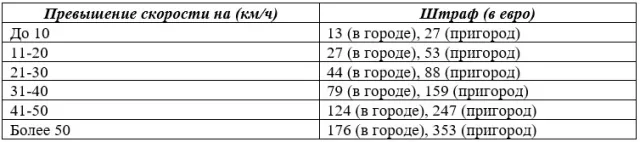
Штрафы за скорость в Австрии
В австрийских населенных пунктах максимально разрешенная скорость 50 км/ч, но во многих городах в спальных районах она составляет 30 км/ч. Скорость движения по автомагистралям Австрии ограничена 100 км/ч, но в ночное время суток она снижается на 20 км/ч.
Применение устройств, предупреждающих местонахождение радара/фотокамеры, и раций, настраиваемых на полицейскую частоту, строго запрещено и карается огромными штрафами.
Сотрудники полиции на месте могут выписать штраф до 90 евро, в случае бОльших штрафов вам дадут 2 недели с момента совершения правонарушения.
Штрафы за превышение скорости в Австрии
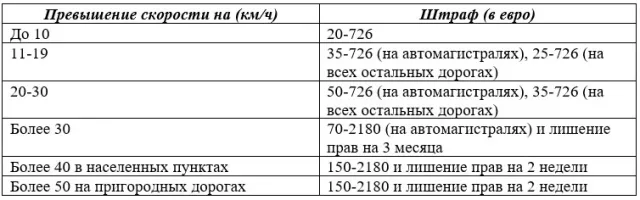
Штрафы за скорость в Словакии
Ограничения скорости в Словакии такие же, как в Австрии. Сотрудники полиции могут принять оплату штрафа на месте, либо дать на это 15 дней. А вот изъять машину они могут только в том случае, если есть подозрение на ее угон или участие в уголовном преступлении.
Штрафы за превышение скорости в Словакии
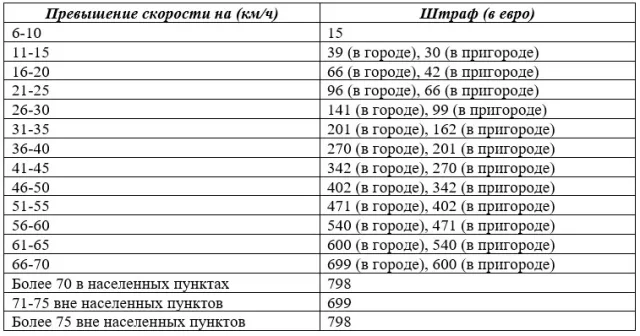
Штрафы за скорость в Швейцарии
Швейцария славится своей огромной сетью дорожных фото и видеокамер. Они установлены абсолютно везде – не только в городах и на автомагистралях, но и даже на маленьких сельских дорогах. Использовать оборудование, предупреждающее о радарах, здесь строго запрещено. В случае его обнаружения в машине, вам будет грозить суд, огромный штраф и изъятие автомобиля.
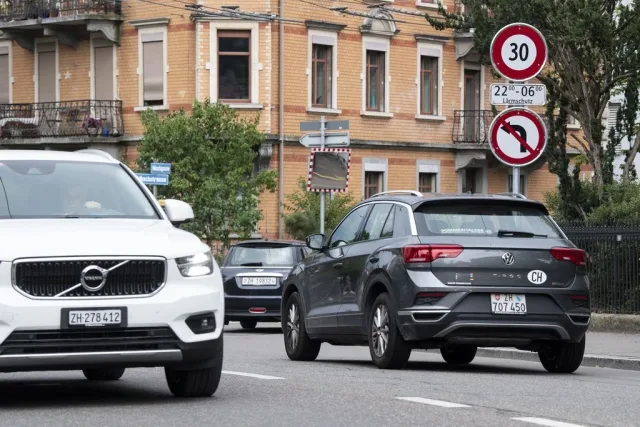
Штраф должен быть оплачен на месте. Отказаться это делать невозможно. По швейцарскому законодательству, даже, если вы не согласны с наказанием, штраф нужно сначала оплатить, а потом оспаривать действия полиции в суде.
Если штраф не будет погашен в течение 30 дней, дело будет передано в суд.
Кроме того, за некоторые нарушения в Швейцарии штрафы - это процент от дохода нарушителя.
В Швейцарии ограничения скорости – это 60 км/ч в населенных пунктах, 120 км/ч на скоростных автомагистралях, 80 км/ч на пригородных дорогах.
Штрафы за превышение скорости в Швейцарии

Штрафы за скорость в Британии
В Великобритании ограничительная скорость устанавливается законом в милях в час, поэтому в населенных пунктах она составляет 48 км/ч (30 миль в час), 112 км/ч (70 миль в час) – на пригородных дорогах и 112 км/ч (60 миль в час) – на скоростных автомагистралях. Никогда не забывайте, что в данном государстве на знаках цифры – это мили, а не километры.
Что касается штрафов, помимо общих государственных, полицейские Англии и Уэльса за превышение скорости могут налагать на иностранных водителей дополнительные штрафы – фиксированные 100 фунтов стерлингов. Если водитель не будет способен оплатить штраф на месте, его машину могут изъять до момента погашения долга.