О том, что теперь жителям Крыма придется заменить водительские удостоверения, технические паспорта и регистрационные номера мы уже писали. Понятно, что после этого у водителей появятся проблемы при поездках в Украину (звучит?). Но сегодня мы остановимся на основных отличиях российских ПДД от украинских, которые выделил автор книг «100 аргументов против штрафов ГАИ» и «Аргументы Караваева против штрафов ГАИ» Владимир Караваев:
1. Если в Украине вынужденно остановиться в неположенном месте можно (по причине плохого самочувствия любого участника дорожного движения), то в России это распространяется только на водителя и пассажиров ТС.
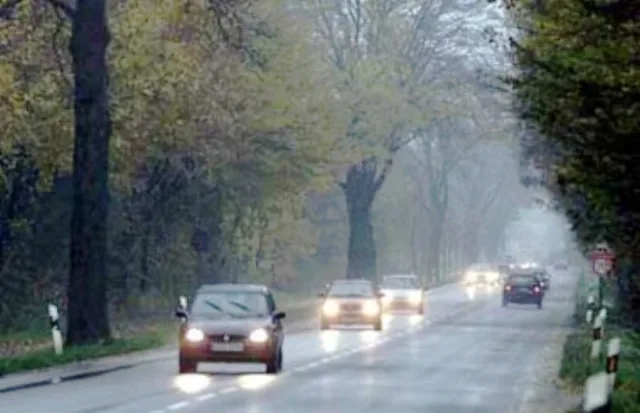
2. Дневные ходовые огни у нас обязаны быть белого цвета и предусмотрены конструкцией транспортного средства. В России с этим проще – можно включать любые внешние световые огни, предназначенные для улучшения видимости вашего ТС в светлое время суток.
3. Важный момент: в России водитель обязан передать сотруднику автоинспекции свои документы, в Украине их нужно лишь предъявить!
4. Согласно ПДД в России, водители, которые управляют транспортом юридического лица, обязаны иметь еще и путевой лист, а также товарно-транспортные документы. Требовать их могут и работники Федеральной службы по надзору в сфере транспорта.
5. Нужно готовиться и к тому, что оправдание типа «лампочка еще утром работала, сейчас перегорела» вряд ли подействует. Это в Украине водитель должен проверить техническое состояние автомобиля перед выездом, в России нужно еще и следить за ним в пути и вовремя устранять неполадки. Этого требуют «Основные положения по допуску транспортных средств к эксплуатации и обязанности должностных лиц по обеспечению безопасности дорожного движения». Их придется изучить дополнительно.
6. Сложности могут возникнуть с трактовкой допустимого уровня алкоголя у водителя. В России допуск выше, чем в Украине, и составляет 0,16 мг этилового спирта на 1 литр выдыхаемого воздуха, что примерно соответствует старому значению 0,3 промилле. Зато наказание за превышение этого уровня жестче и предусматривает даже административный арест. Кроме того, ГИБДД оснащено высокоточной аппаратурой, проводящей спектрофотометрический анализ алкоголя и имеющей соединение с компьютером для регистрации данных. То есть, если была проведена операция "с трубочкой", придется идти в суд.
7. Познакомятся крымские водители и с новым проблесковым маячком бело-лунного цвета. Но его использует транспорт федеральной почтовой связи и инкассаторы, а включать маячок и специальную звуковую сигнализацию водители такого транспорта могут только при нападениях на указанные автомобили. Преимущества для дорожного движения такой маячок не дает, а служит лишь для привлечения внимания сотрудников полиции.
8. Основное отличие российских правил касается пешеходов: на нерегулируемых пешеходных переходах «безлошадные» россияне не имеют преимущества перед транспортом. Пешеходам можно выходить на проезжую часть только после того, как они убедятся, что данный маневр будет для них безопасен. Можно спрогнозировать, что это отличие правил станет причиной многих печальных ДТП.
9. Водителям следует знать, что полиция может требовать от них остановки транспортного средства не только жезлом, но и просто по громкоговорящему устройству.
10. А вот когда водитель направляется к месту ремонта на неисправном автомобиле, теперь можно не включать аварийную сигнализацию, ПДД России этого не требует.
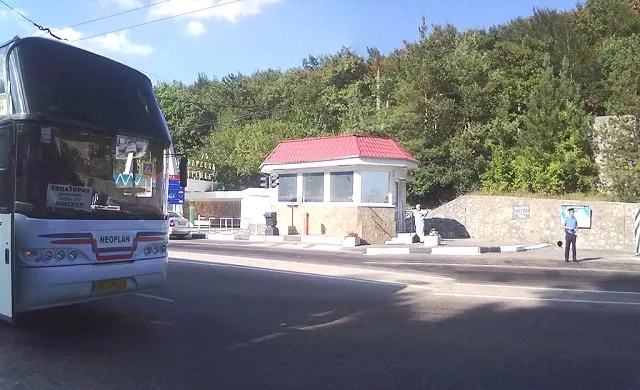
11. Оштрафовать в Крыму теперь смогут и за разворот или движение задним ходом в районе остановок маршрутных транспортных средств.
12. Зато в плане выбора полосы для движения, Россия более демократична Украины – правила не обязывают держаться правее, в населенных пунктах можно ехать по любой полосе.
13. Вряд ли обрадуются крымчане новым ограничениям скорости, которые в России жестче:
- 110 км/час вместо украинских 130 на автомагистралях;
- 90 км/час вместо 110 км/ч на дорогах, имеющих разделительную полосу
- грузовикам полной массой более 3,5 т вообще не разрешается превышать скорость 90 км/час на автомагистралях и 70 км/час на остальных дорогах!
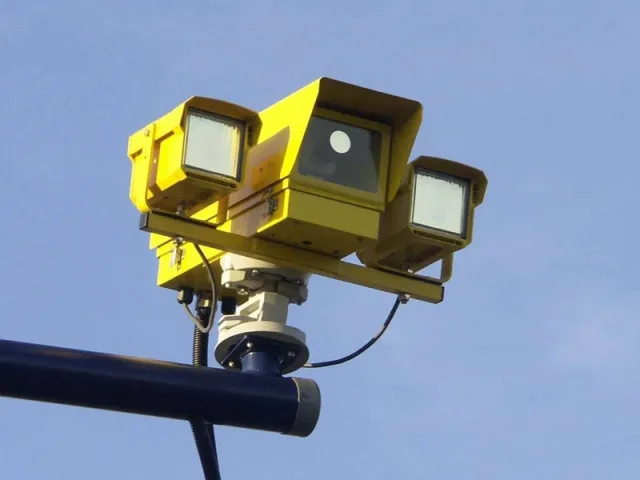
14. В Украине, если знак ограничения скорости установлен с нарушениями, водителя не могут оштрафовать. В России же можно ставить знаки где угодно и как угодно. Кроме того, в России уже действует система автоматической фиксации правонарушений, а приборы используются наподобие тех, которые запретили у нас: «КАДР-1», «РАДИУС-1» и другие.
15. Еще одна опасность для пешеходов скрыта в требованиях обгона перед пешеходным переходом: у нас запрещен обгон за 50 метров до пешеходного перехода в населенном пункте, а за городом за 100 метров. В России нельзя обгонять только на пешеходном переходе, в случае, если есть пешеходы.
16. У нас запрещен обгон на всех перекрестках. В России только на регулируемых, а на нерегулируемых только в том случае, если ваша дорога не является главной.
17. Проще станет с выбором места для остановки: вместо 10 метров до пешеходного перехода в Украине, российский мораторий распространяется только на 5 метров. В районе остановок общественного транспорта запретная зона также вдвое меньше: 30 метров в Украине и 15 м в России. А там, где идут дорожные работы, у россиян ограничений по остановке нет, а у украинцев – 10 м от места проведения работ.
18. Меньше запретов у россиян и в отношении парковки. В Украине нельзя ставить машину: если это создаст препятствие для пешеходов, возле контейнерных площадок для мусора и на газонах. По российским ПДД, машину можно парковать во всех этих случаях. Зато, если висит знак, запрещающий стоянку, он распространяется и на тротуар (в Украине - нет).
19. Пешеходам нужно будет быть весьма осторожными при переходе улицы. Это в Украине водитель обязан уступить дорогу тем, кто переходит проезжую часть, на которую он поворачивает, а также велосипедистам, движущимся в попутном направлении. В России пропускают только велосипедистов, пересекающих дорогу по велосипедной дорожке!
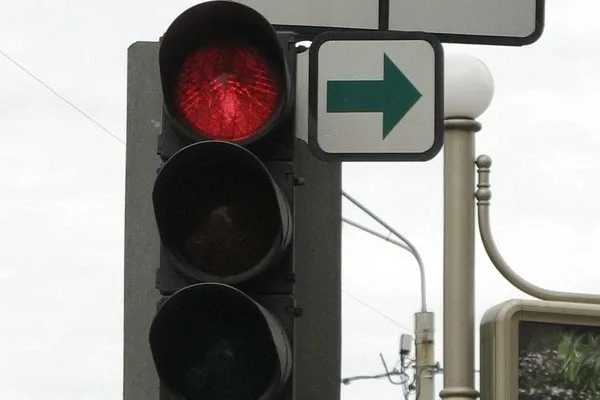
20. Придется забыть крымчанам и про поворот по нарисованной зеленой стрелке на красный свет, такой нормы у россиян нет.
21. В Украине нужно пропускать общественный транспорт, отъезжающий от остановки, если она находится в специальном в заездном кармане. В России нужно пропускать всегда.
22. Придется привыкать жителям Крыма включать габариты или дневные огни в светлое время суток всегда, при начале движения. В Украине такая норма действует только вне населенных пунктов в осенне-зимний период.
Напоследок
Основное отличие российских правил от украинских состоит в том, что первые мало отличаются от старых правил, действовавших в СССР, а украинские максимально приближены к европейским. По этой же причине, брошюра российских ПДД значительно тоньше и в ней нет многих новых дорожных знаков. При этом штрафов у россиян значительно больше и они выше, чем украинские.
В пересчете на гривны, минимальный российский штраф составляет 137 грн, наиболее распространенный - 1 370 грн., штраф за пьяное вождение - 8 220 грн, а максимальные штрафные санкции доходят до 13 700 грн., плюс административный арест.